Geodes

Geodes for Great Minds
Anyone who knows me can tell you that creating Geodes was my dream job. I lead a wildly talented team of designers and illustrators, collaborated closely with editors, senior leadership, and spent dozens of hours talking about art, design, and illustration with Great Minds’ founder. I learned so much about early literacy, just as the Science of Reading conversation was heating up. Geodes were a “right time, right place” product. It made me a much more thoughtful designer and a better parent to two budding readers.
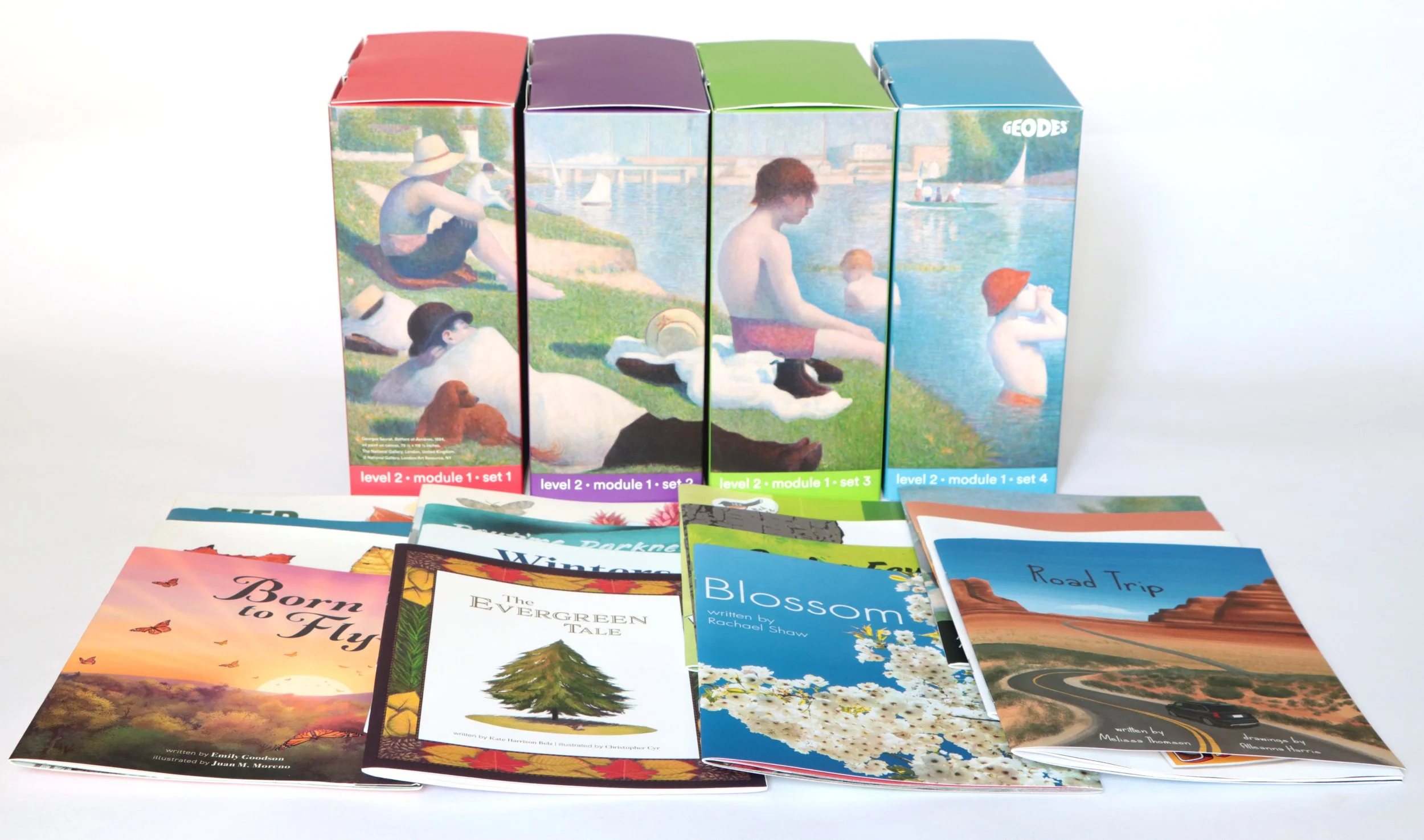
The Level 2 Module 1 books and packaging — one of twelve modules from the Geodes K-2 product
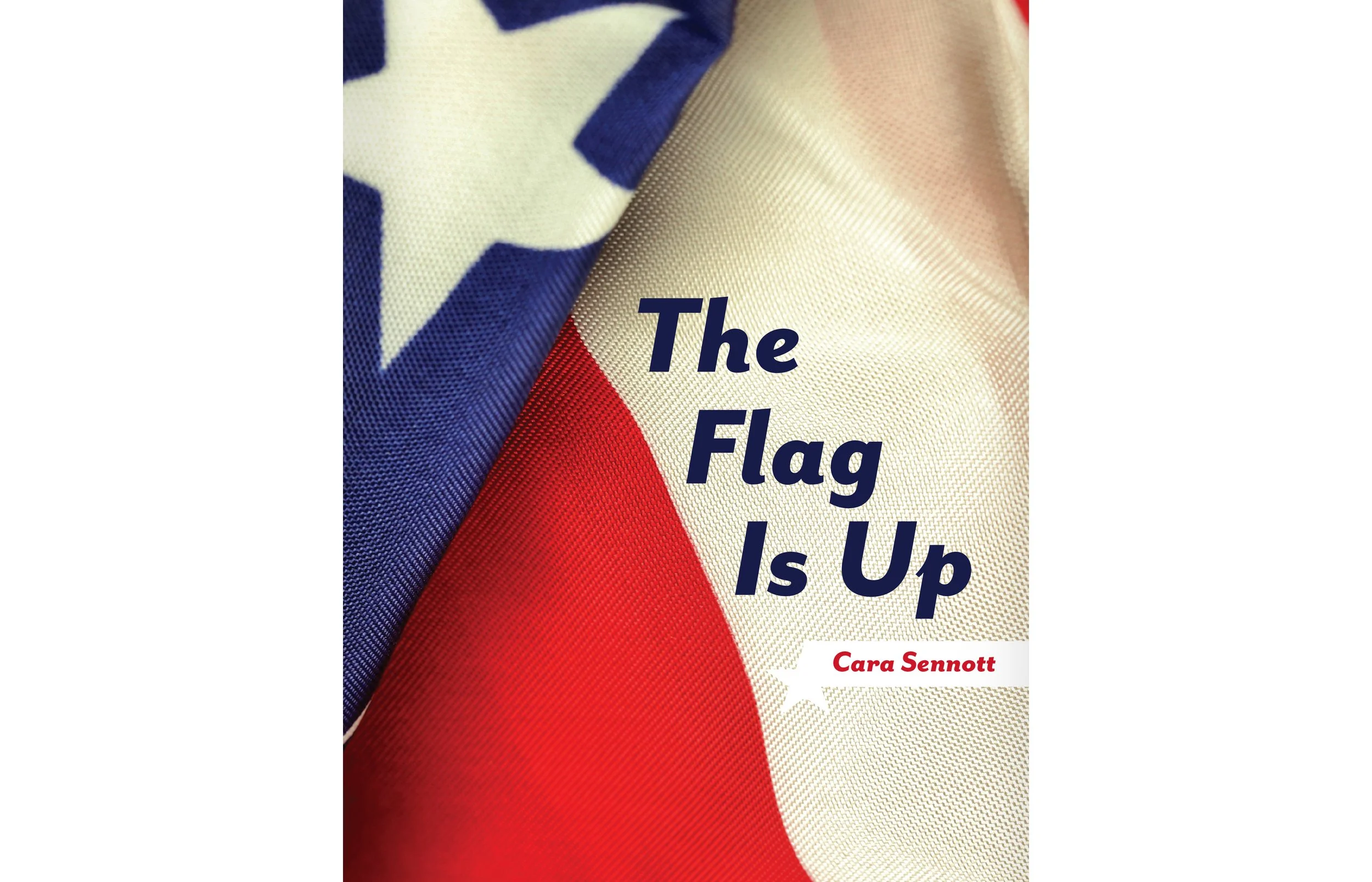
Beautiful, knowledge-filled, fully-illustrated books for developing readers
The Humanities team at Great Minds wanted to create a library of books where students could practice reading: firstly decoding, then building up comprehension and fluency.
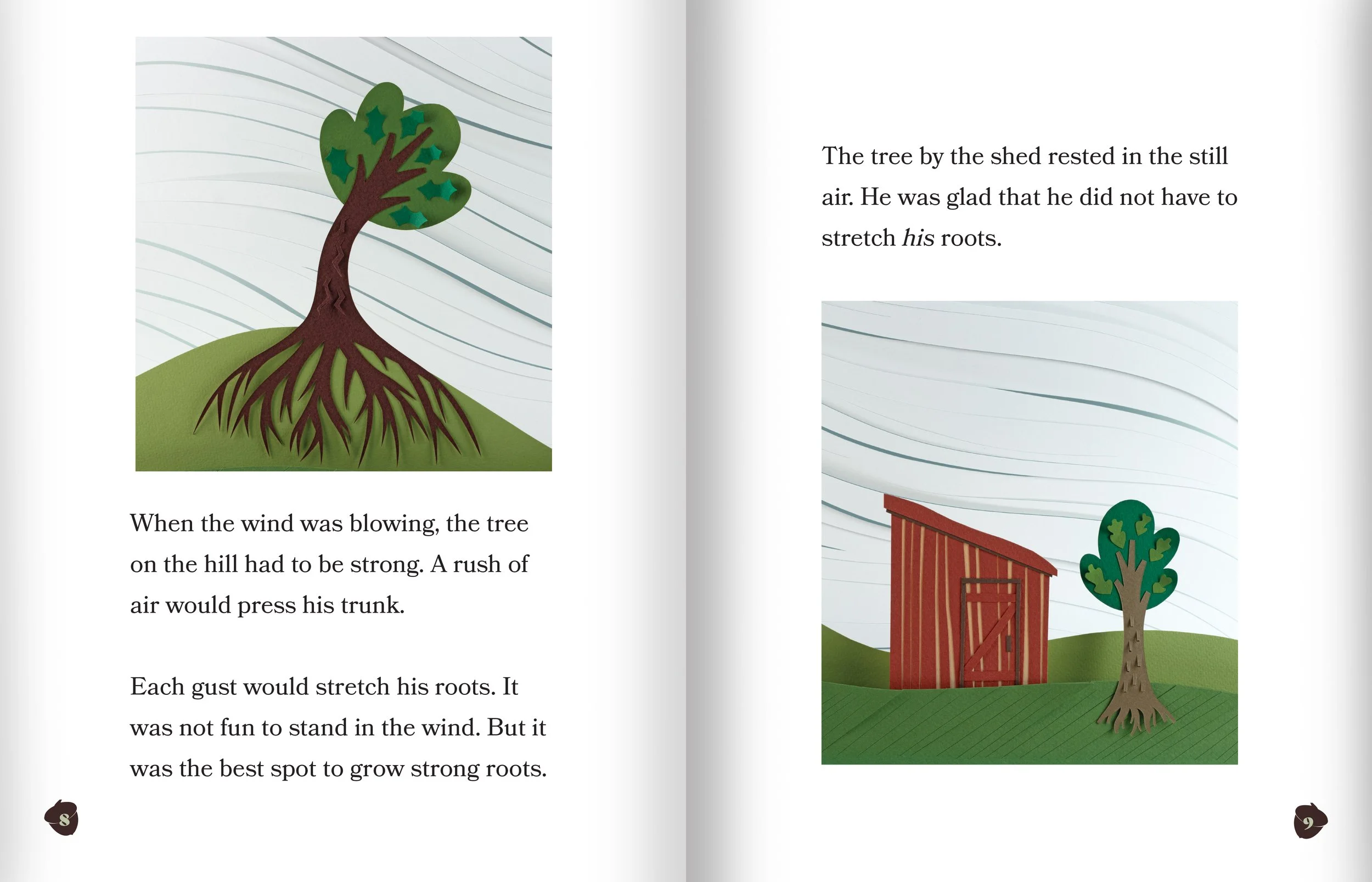
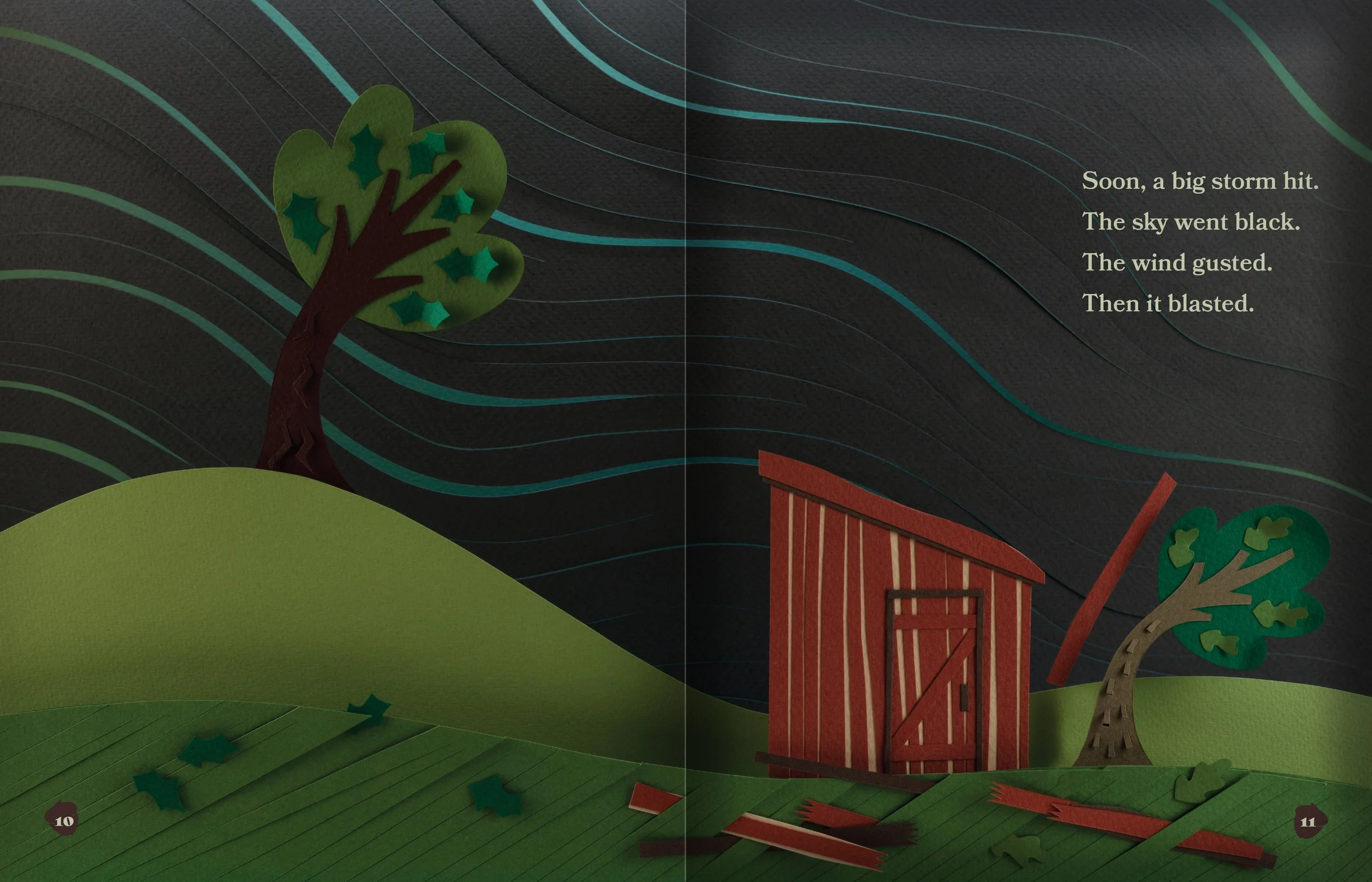
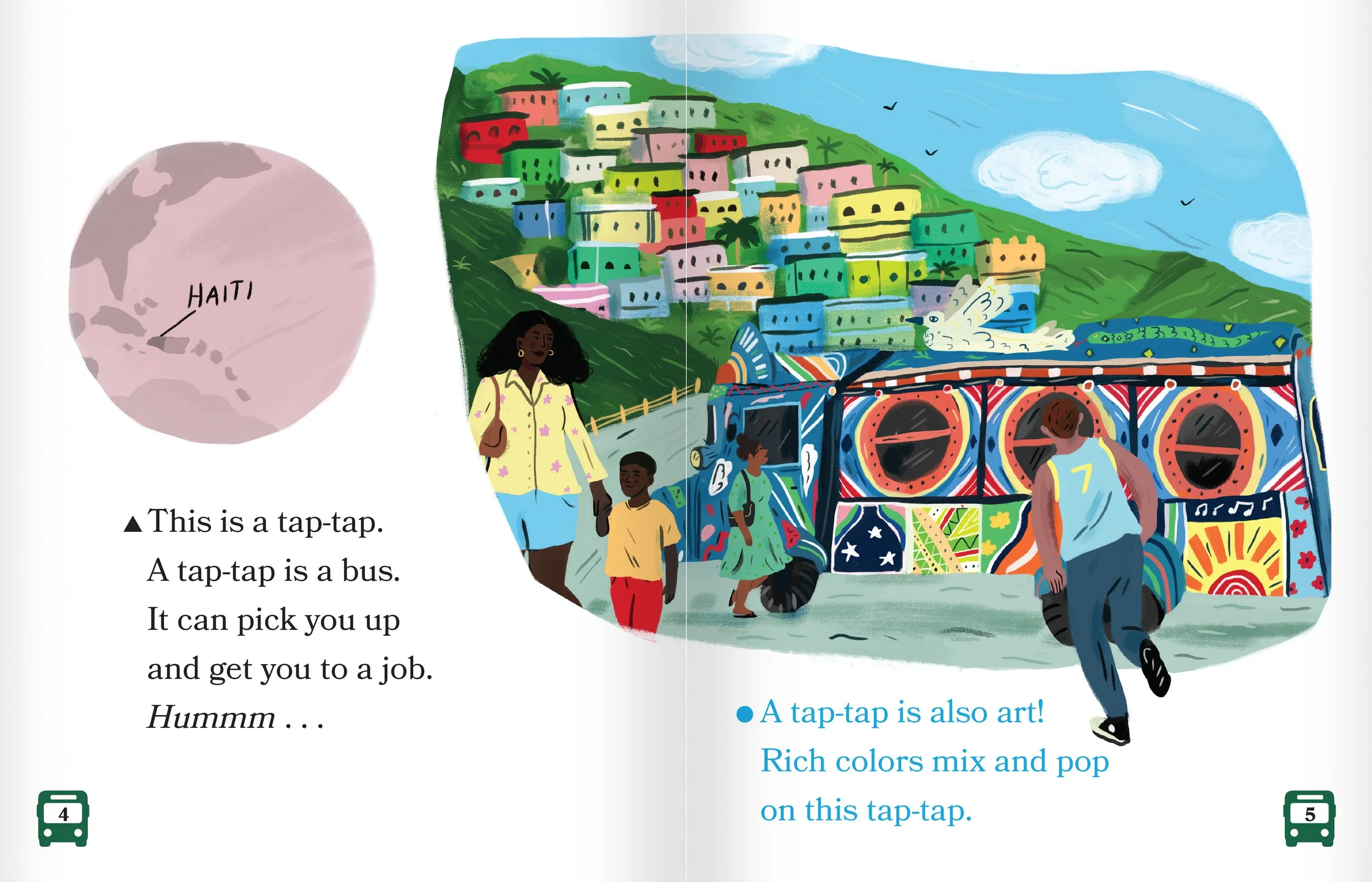
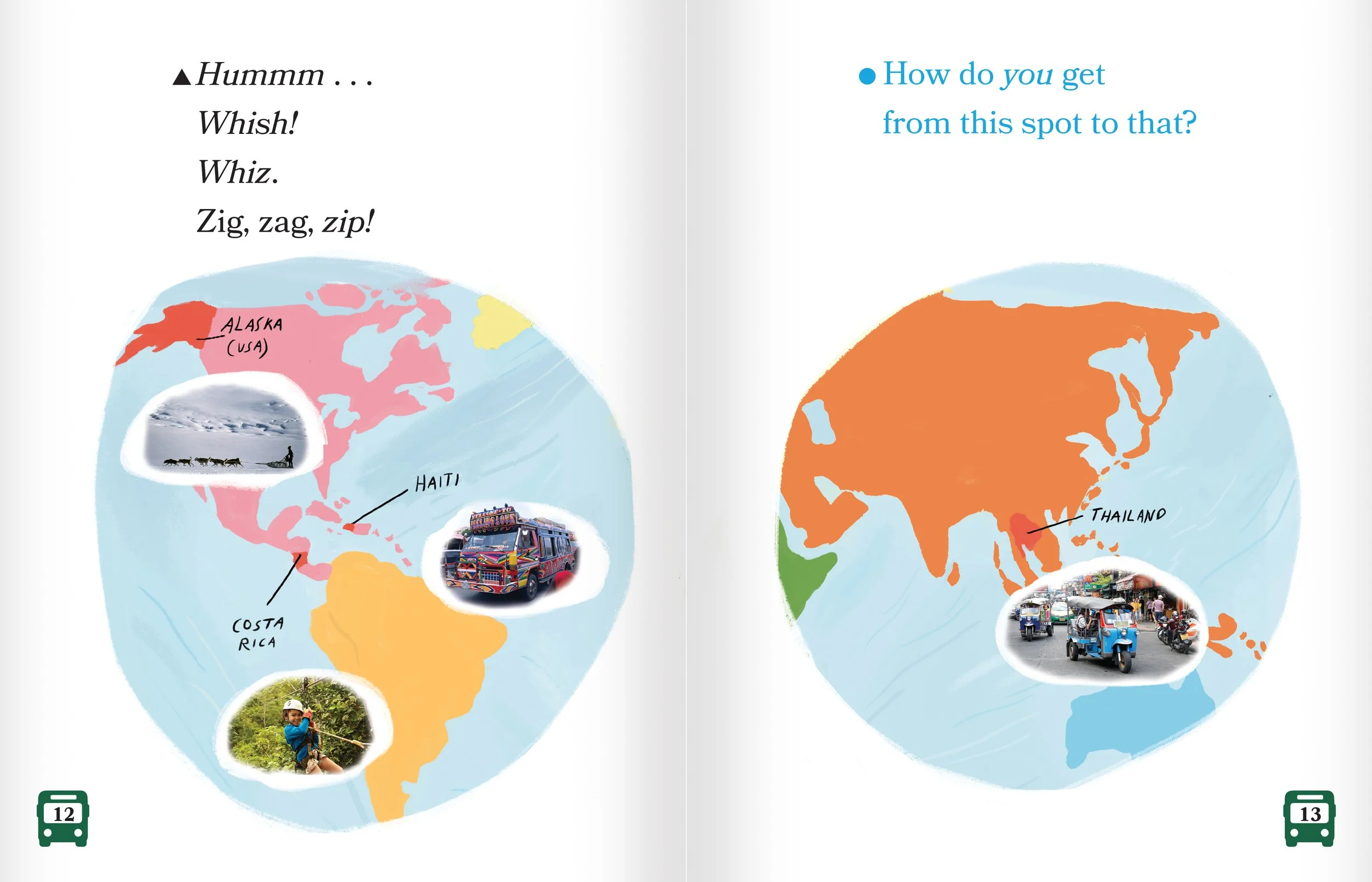
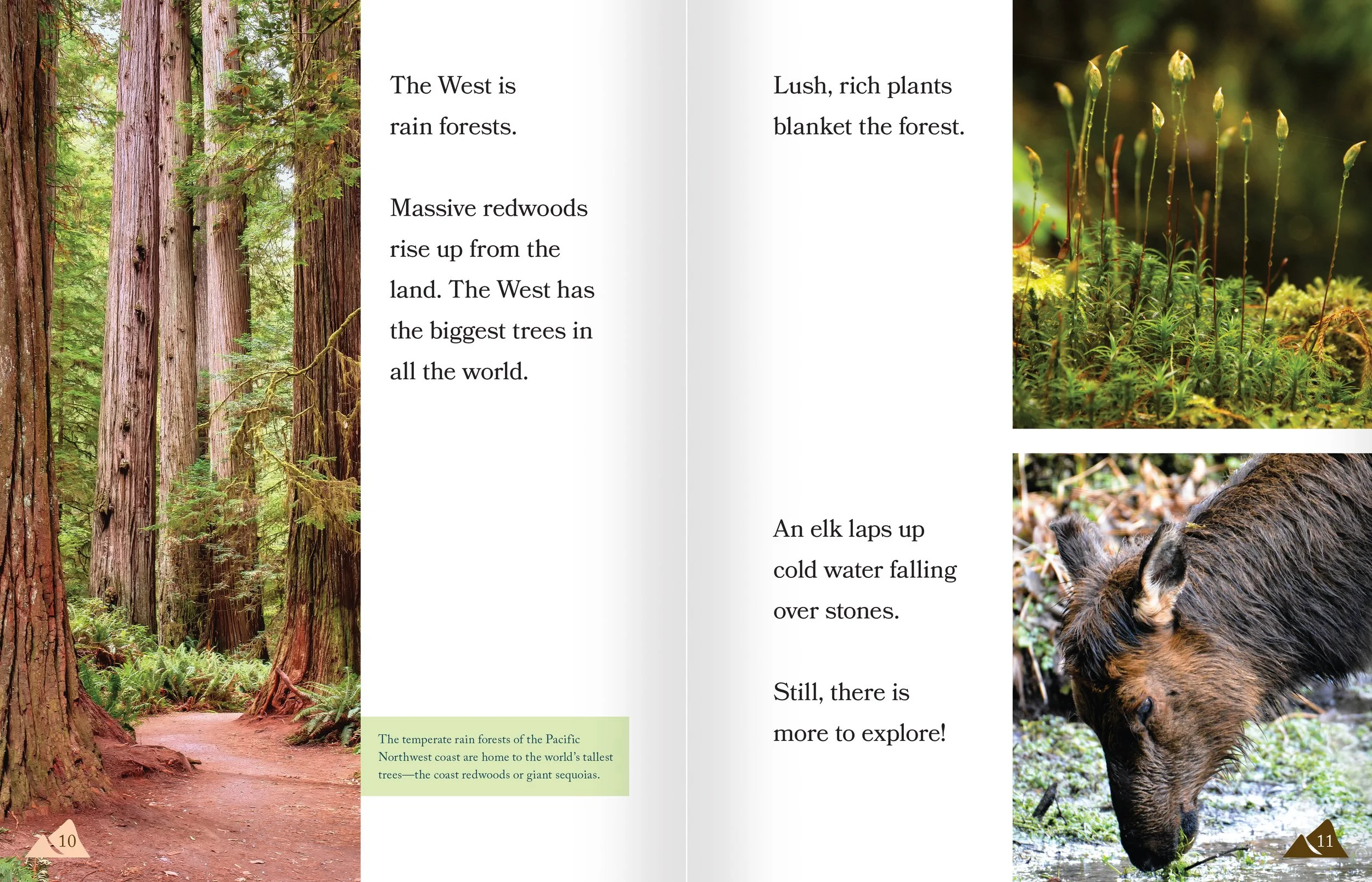
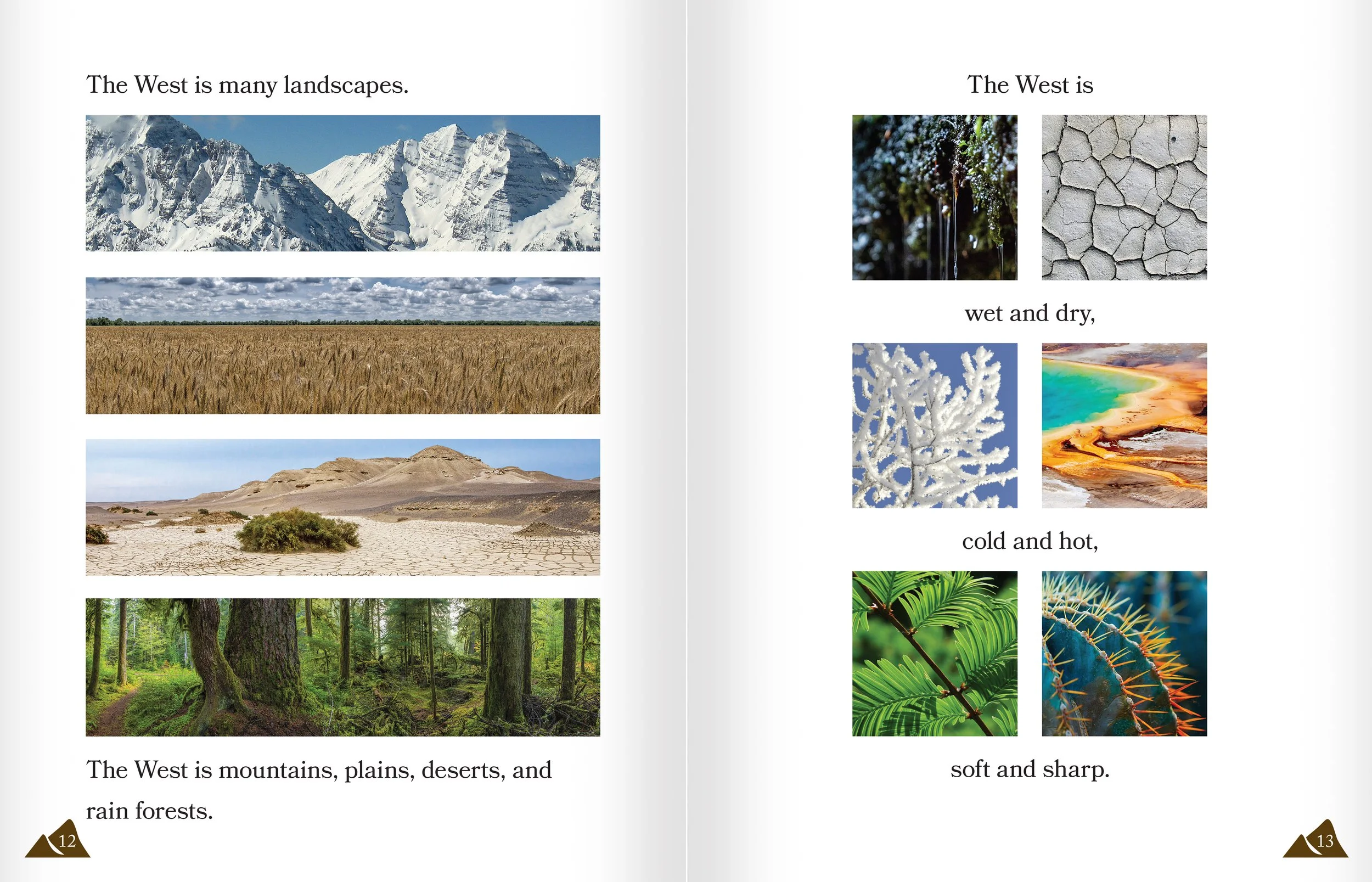
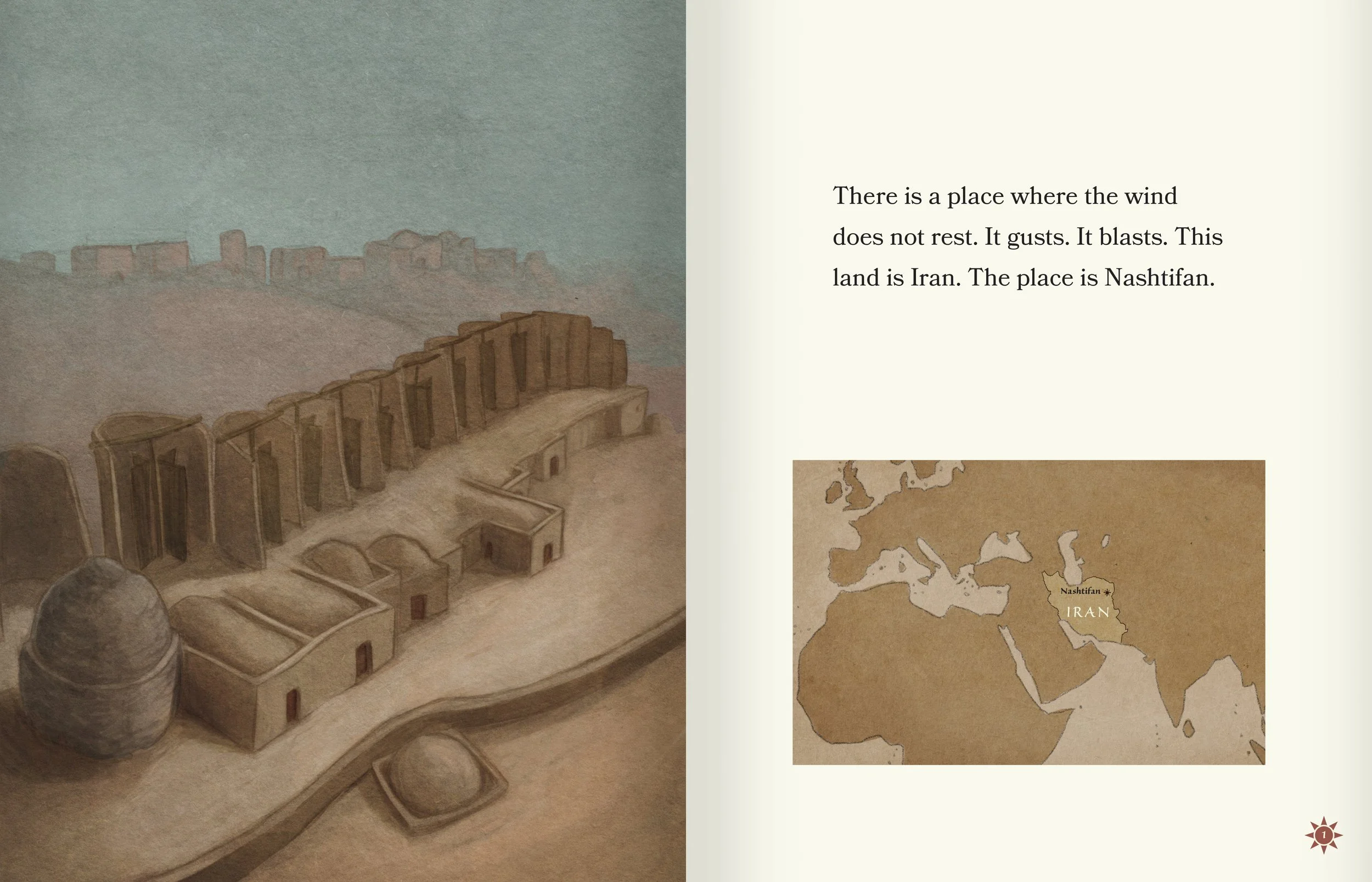
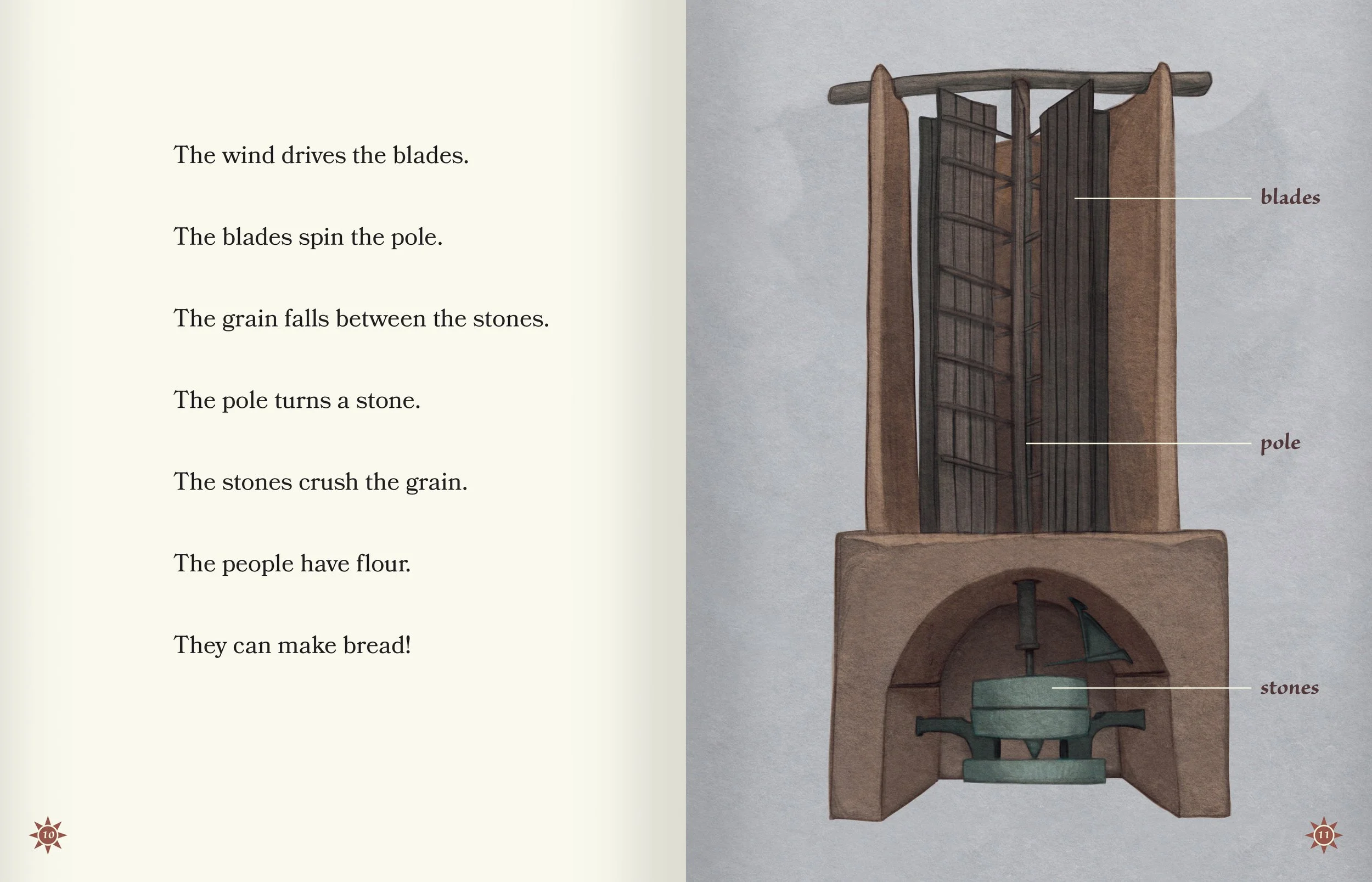
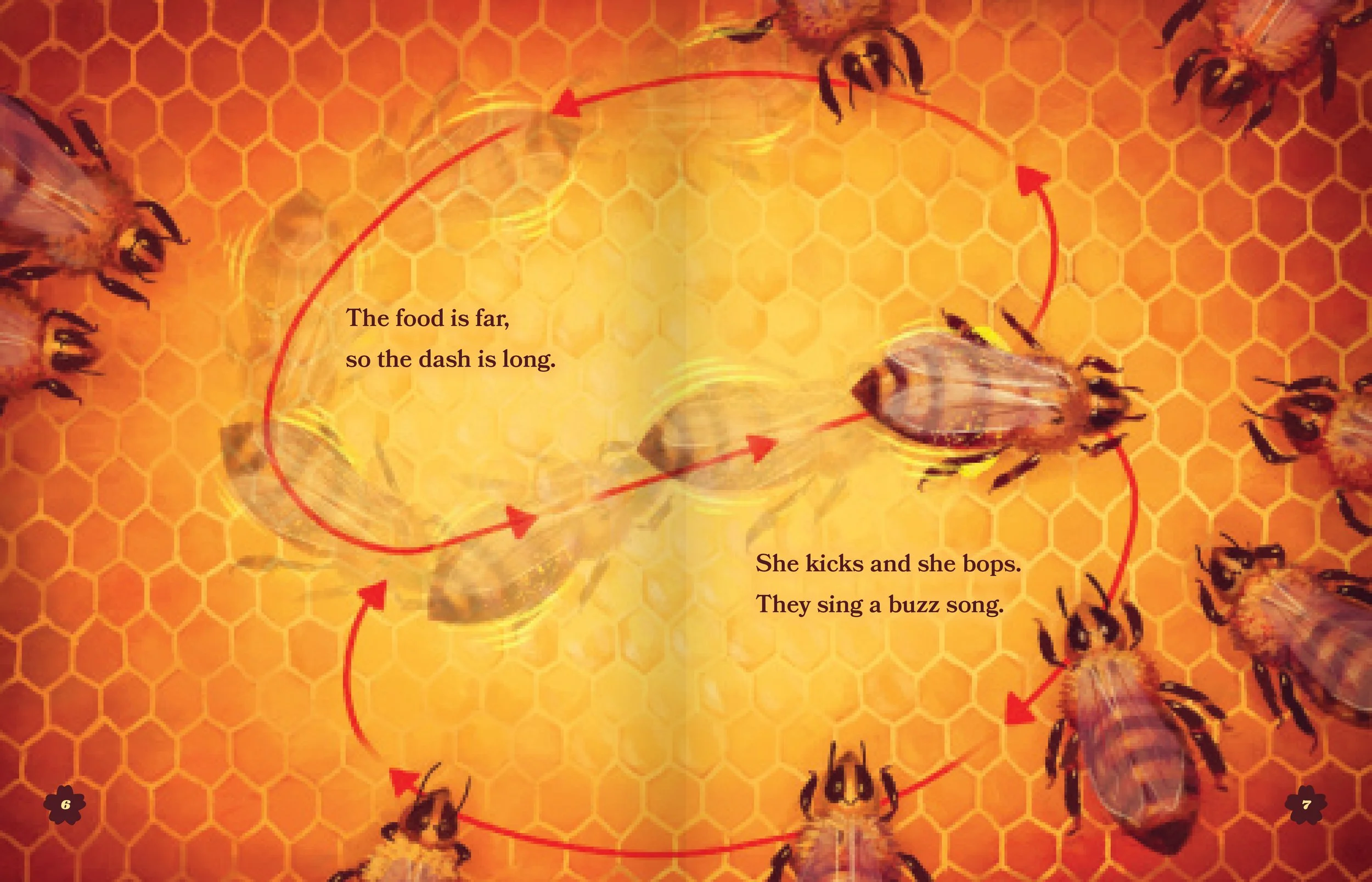
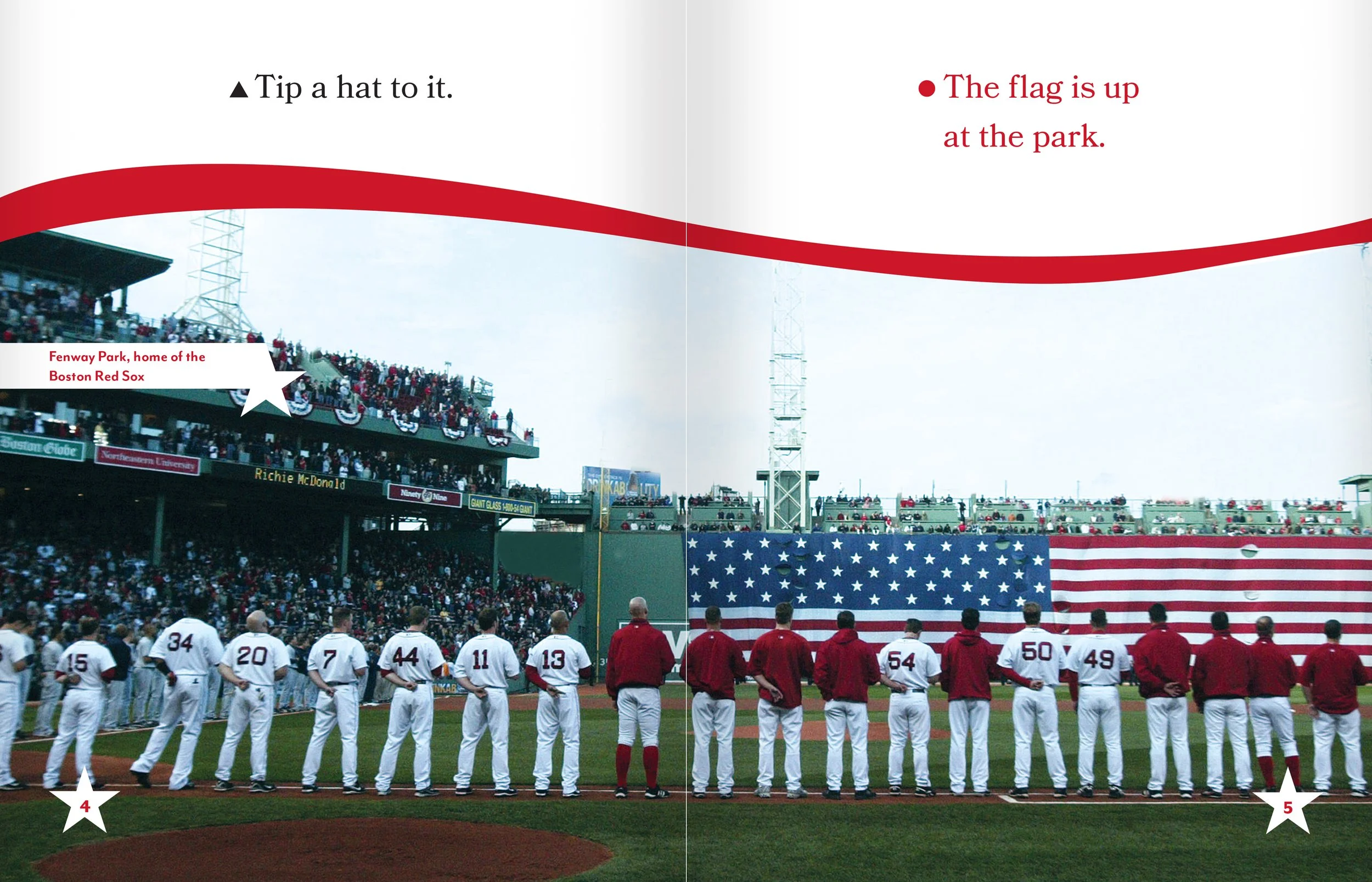
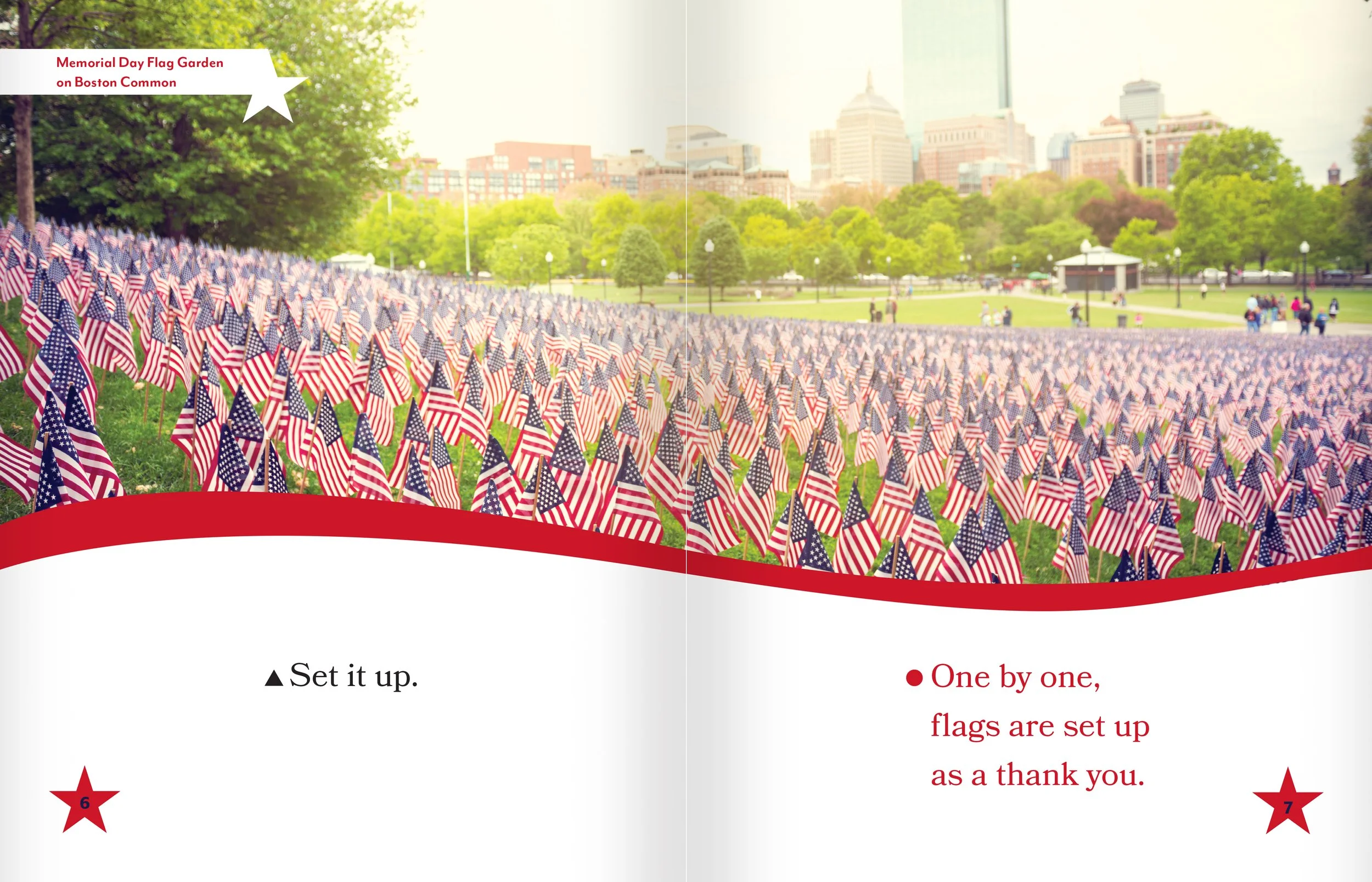
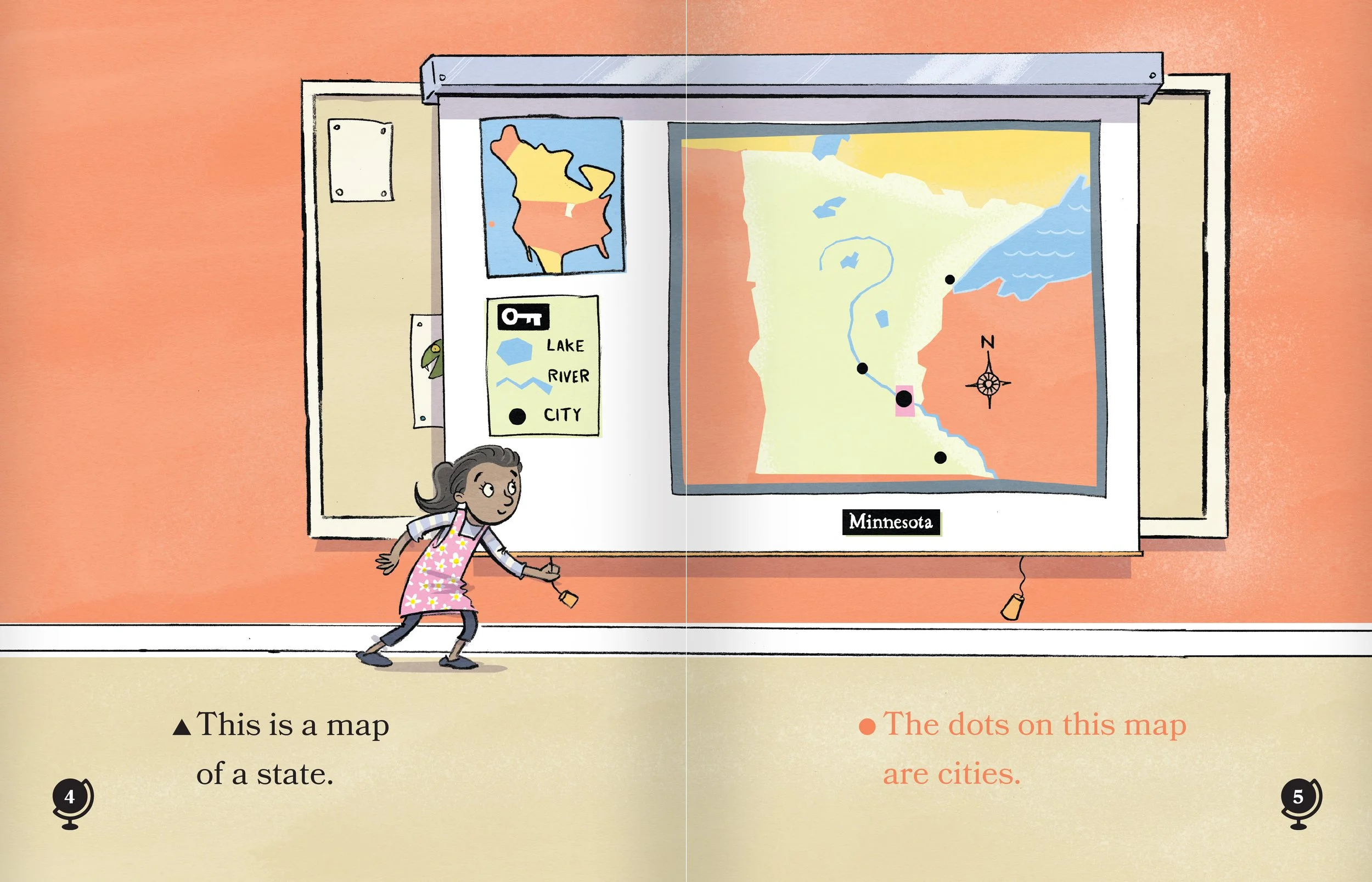
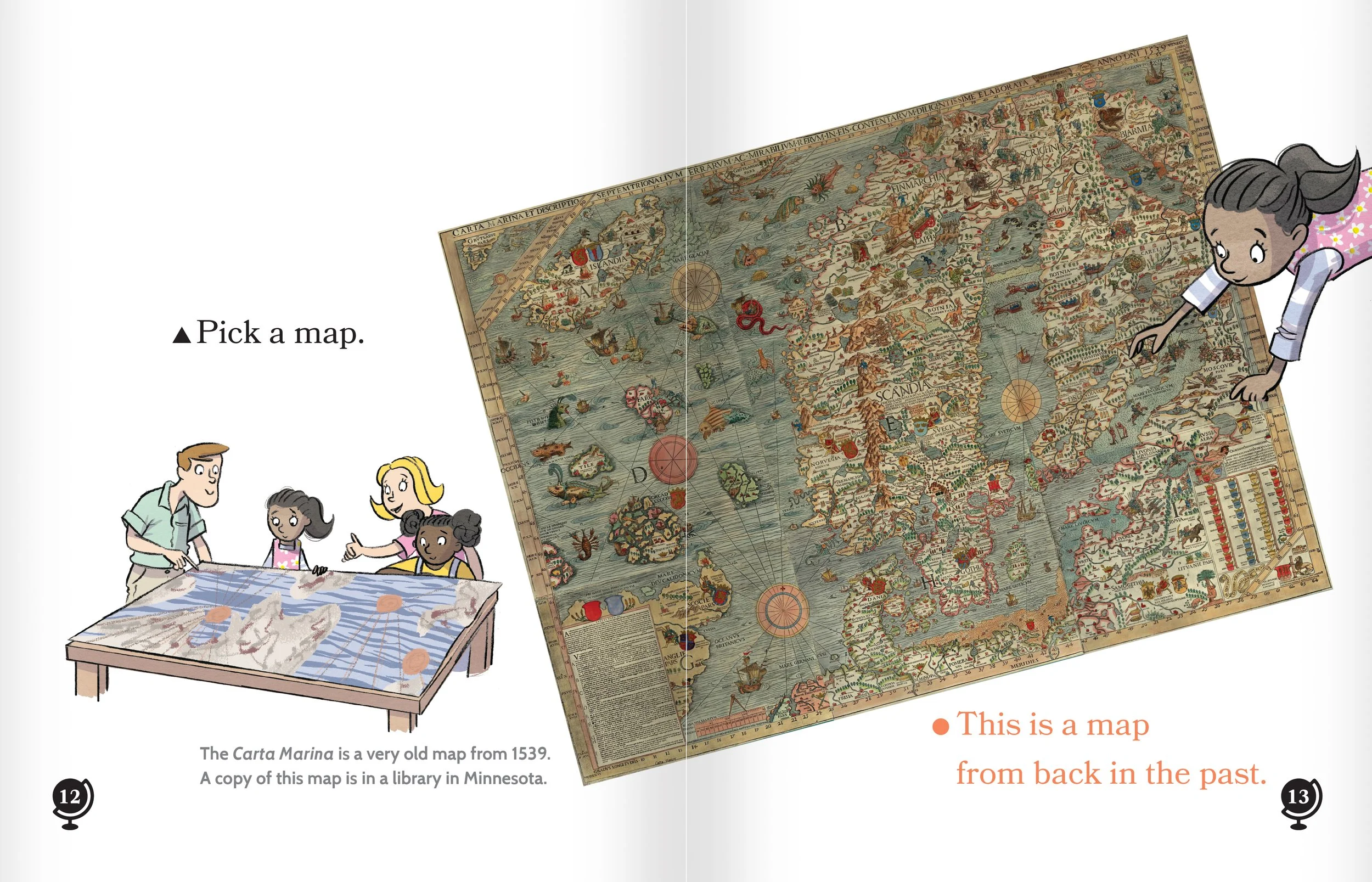
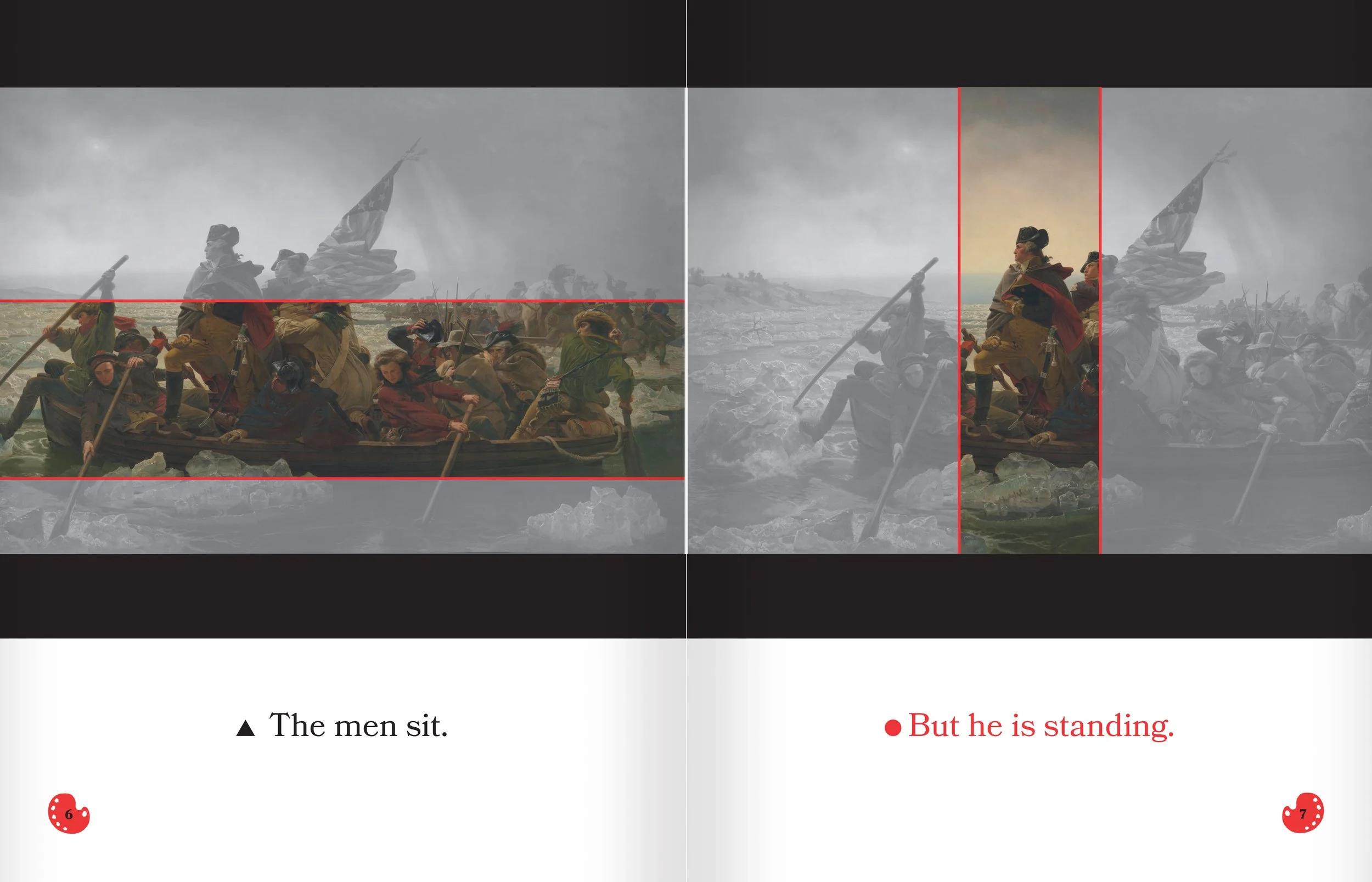
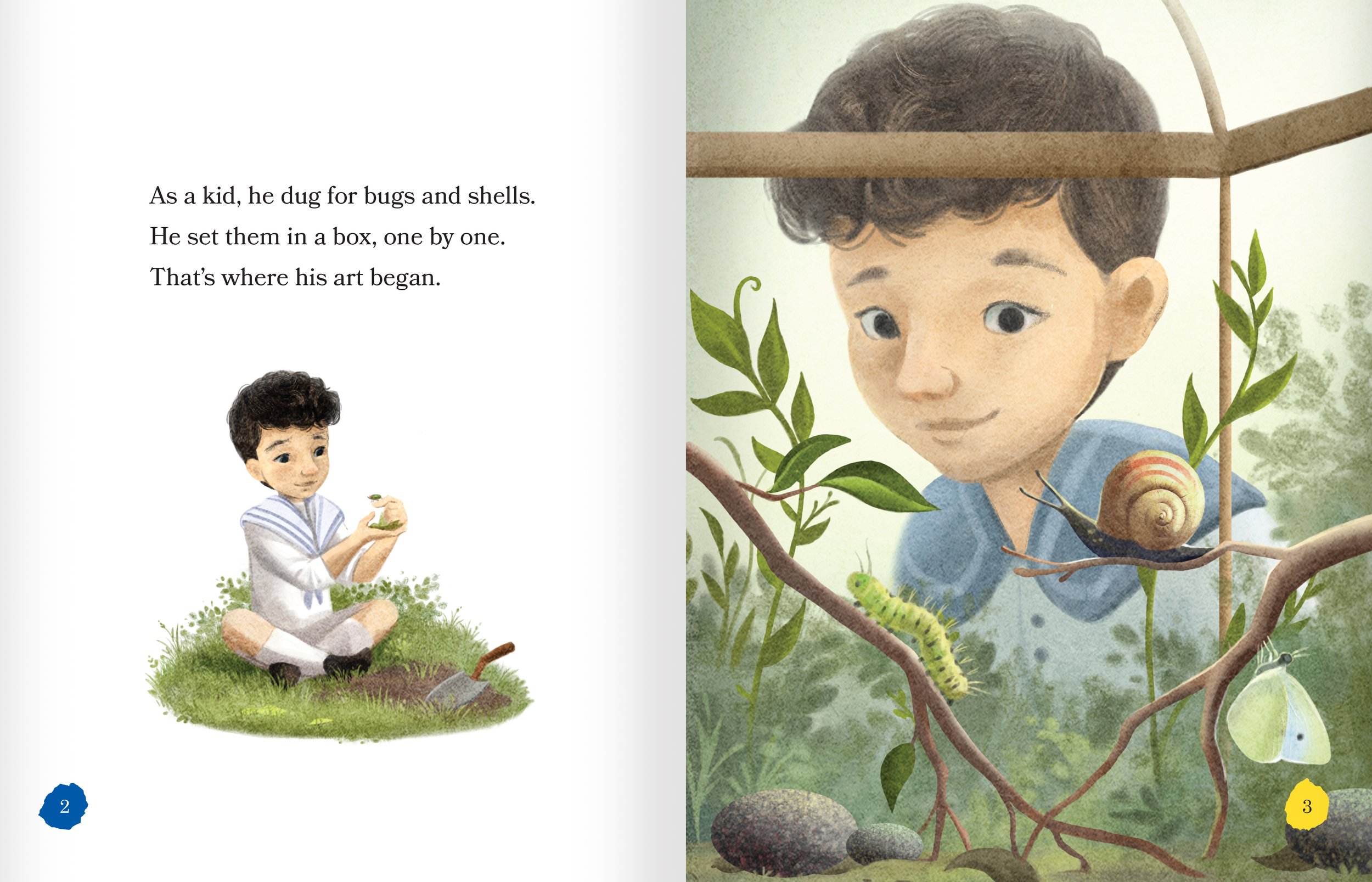
Highly decodable books mean sparse wording. Imagery needed to do the heavy-lifting — adding knowledge and guiding comprehension of topics.
On aesthetics
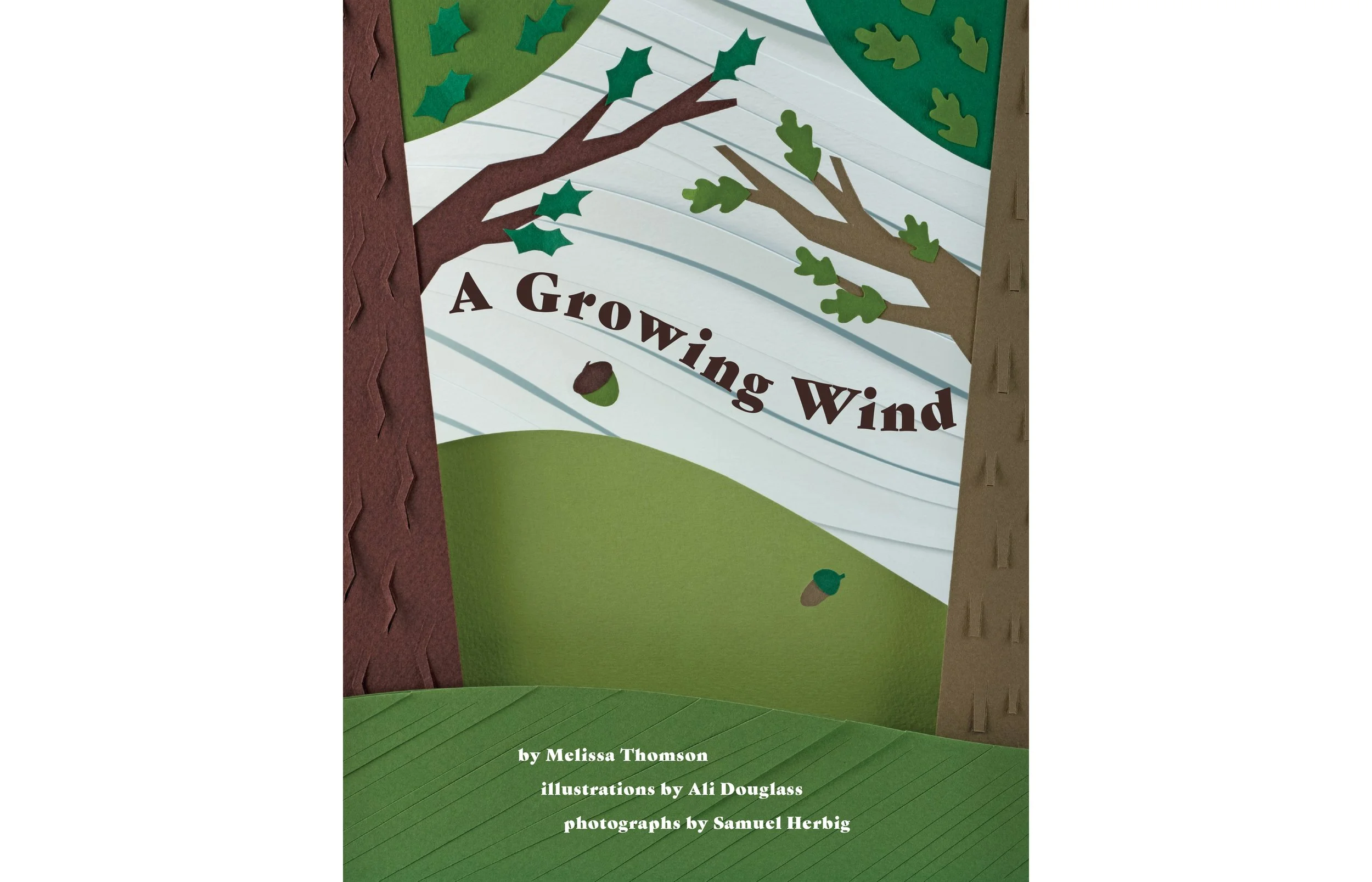
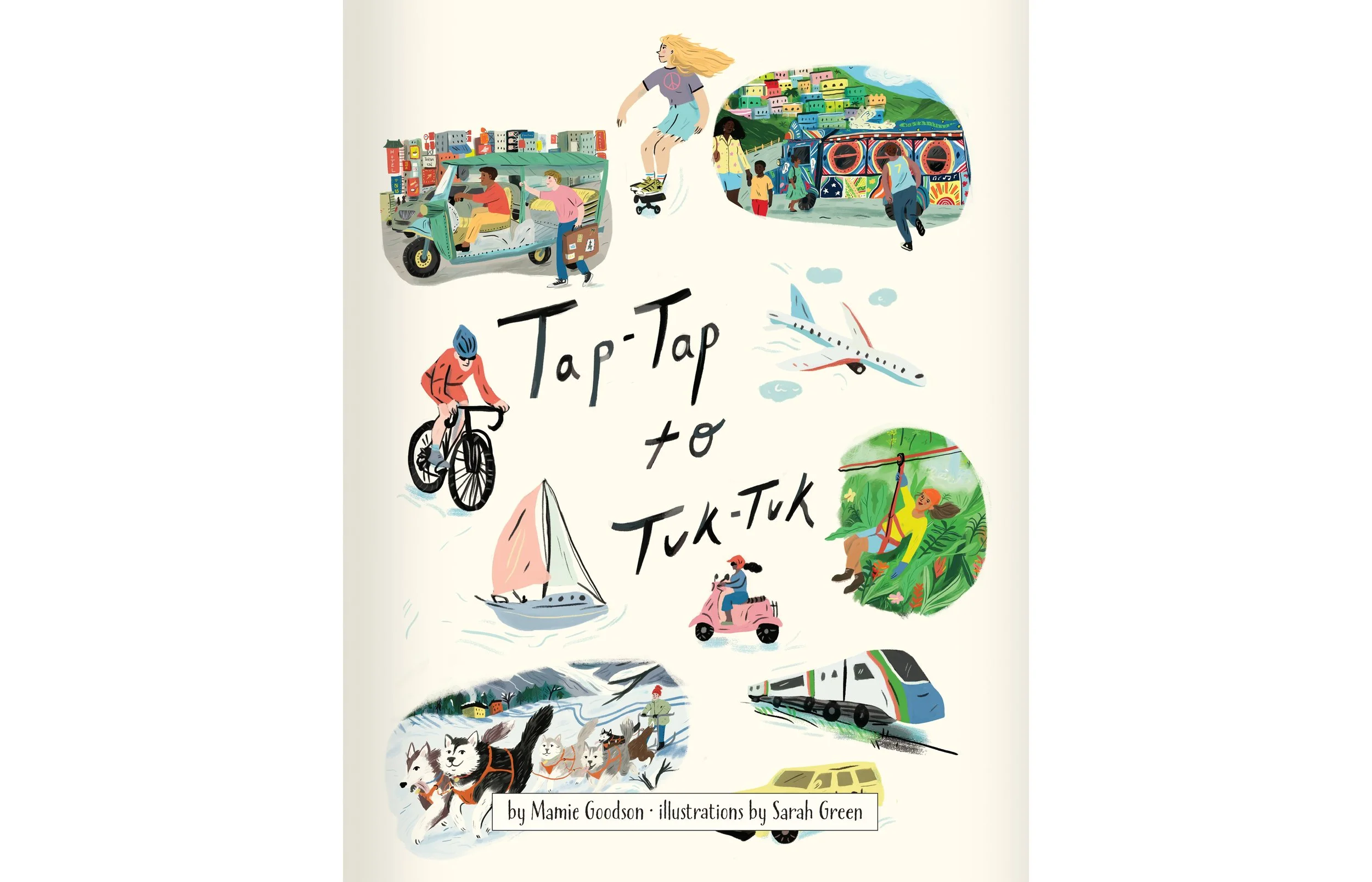
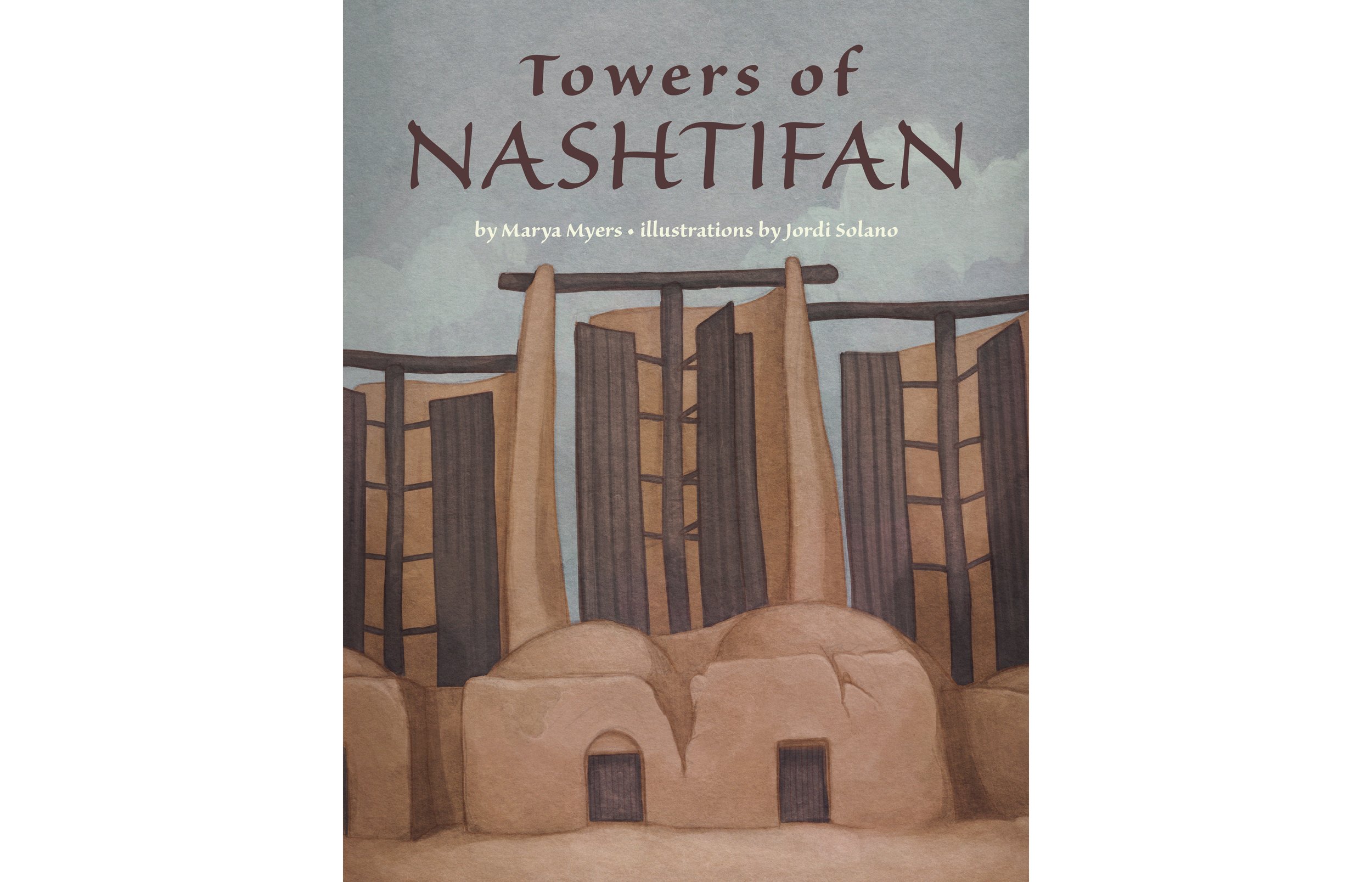
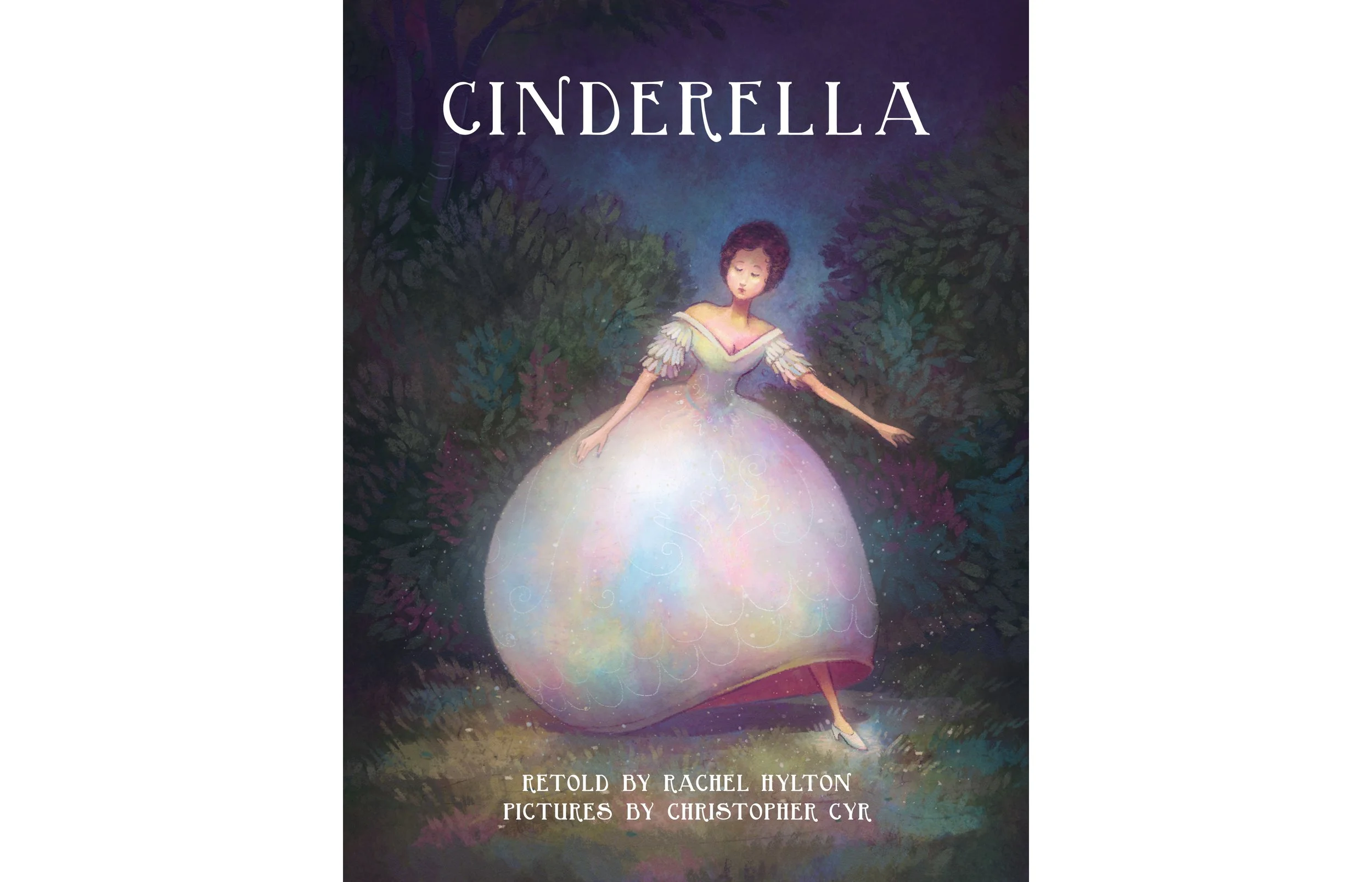
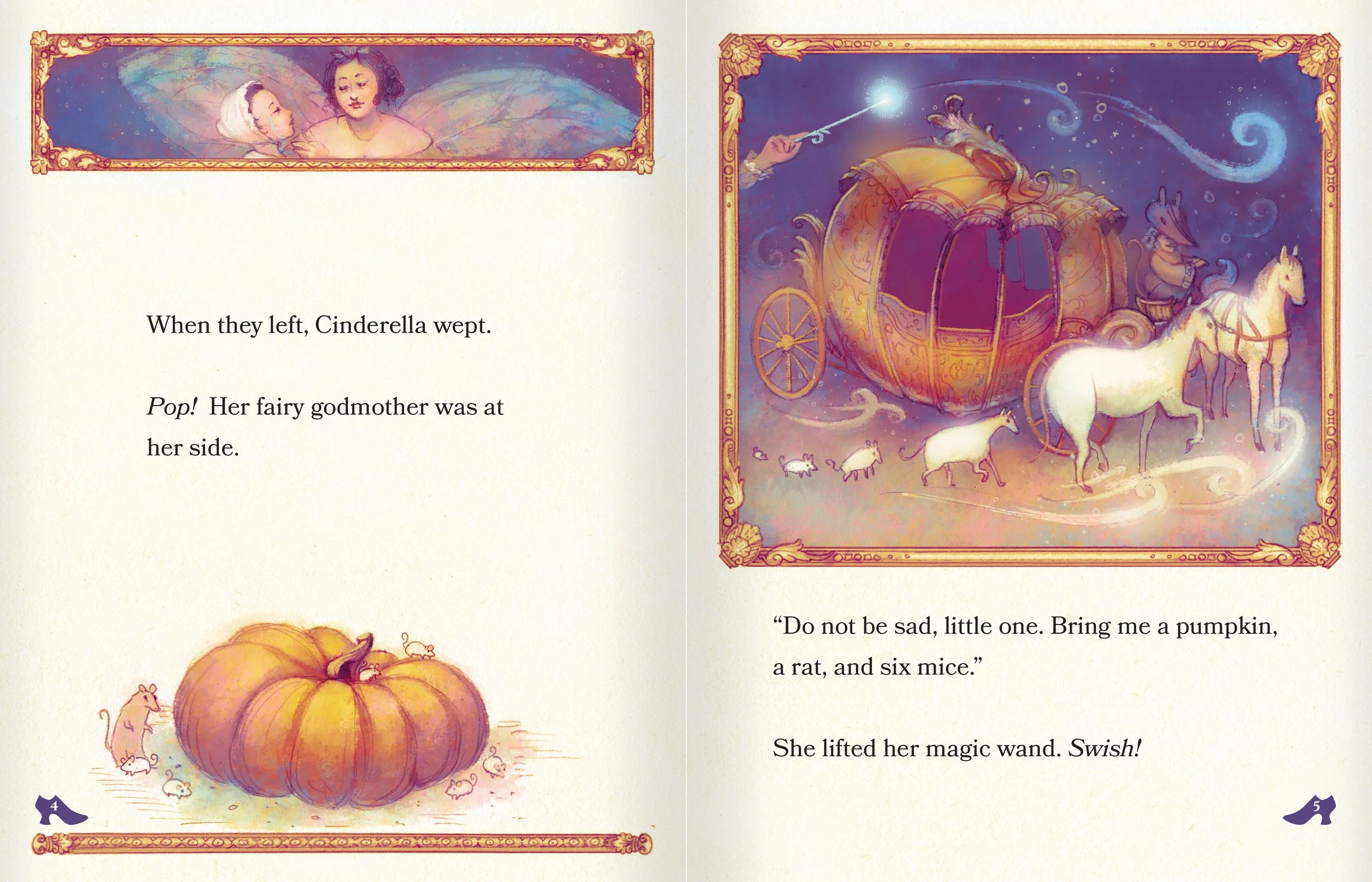
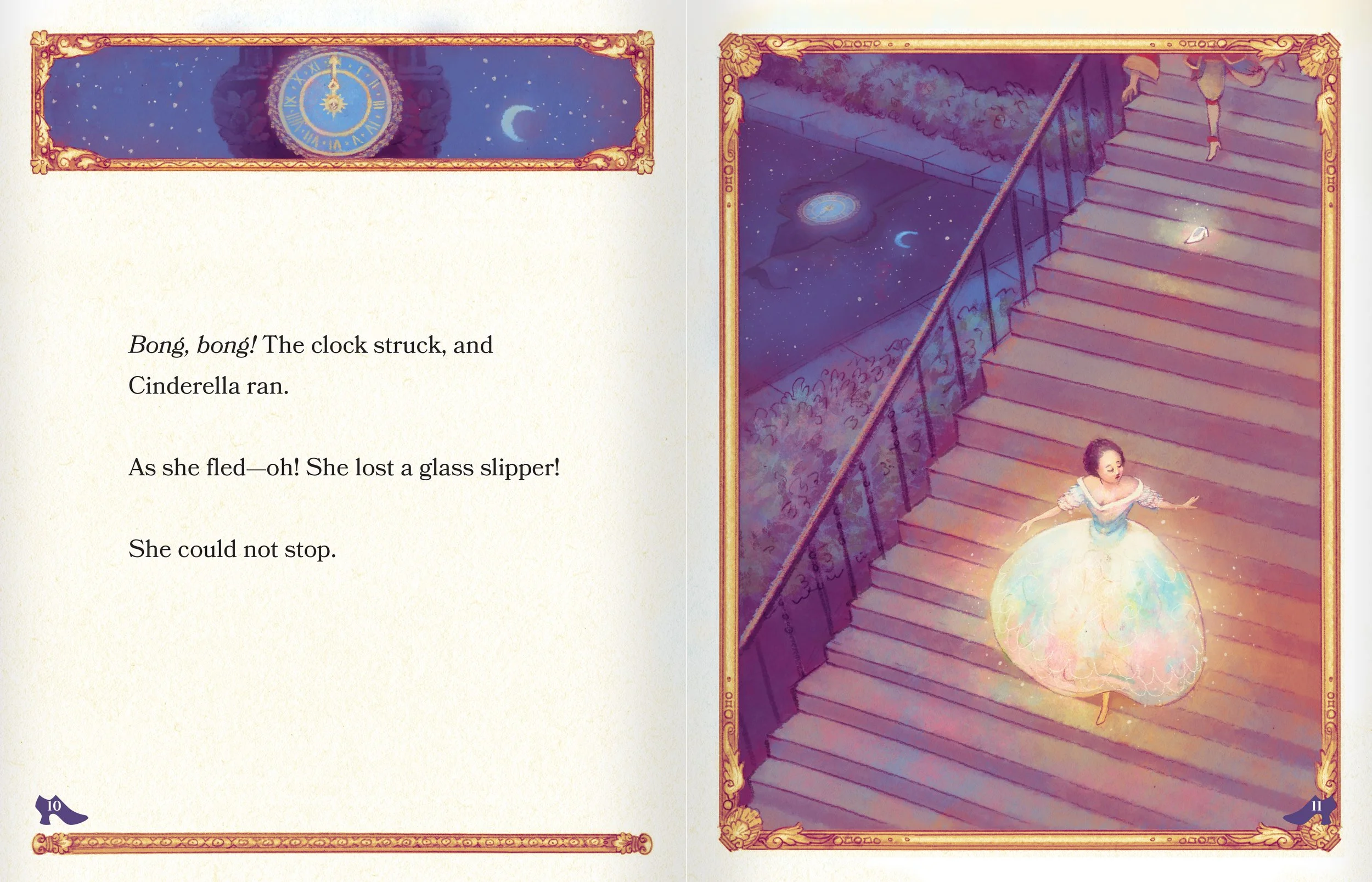
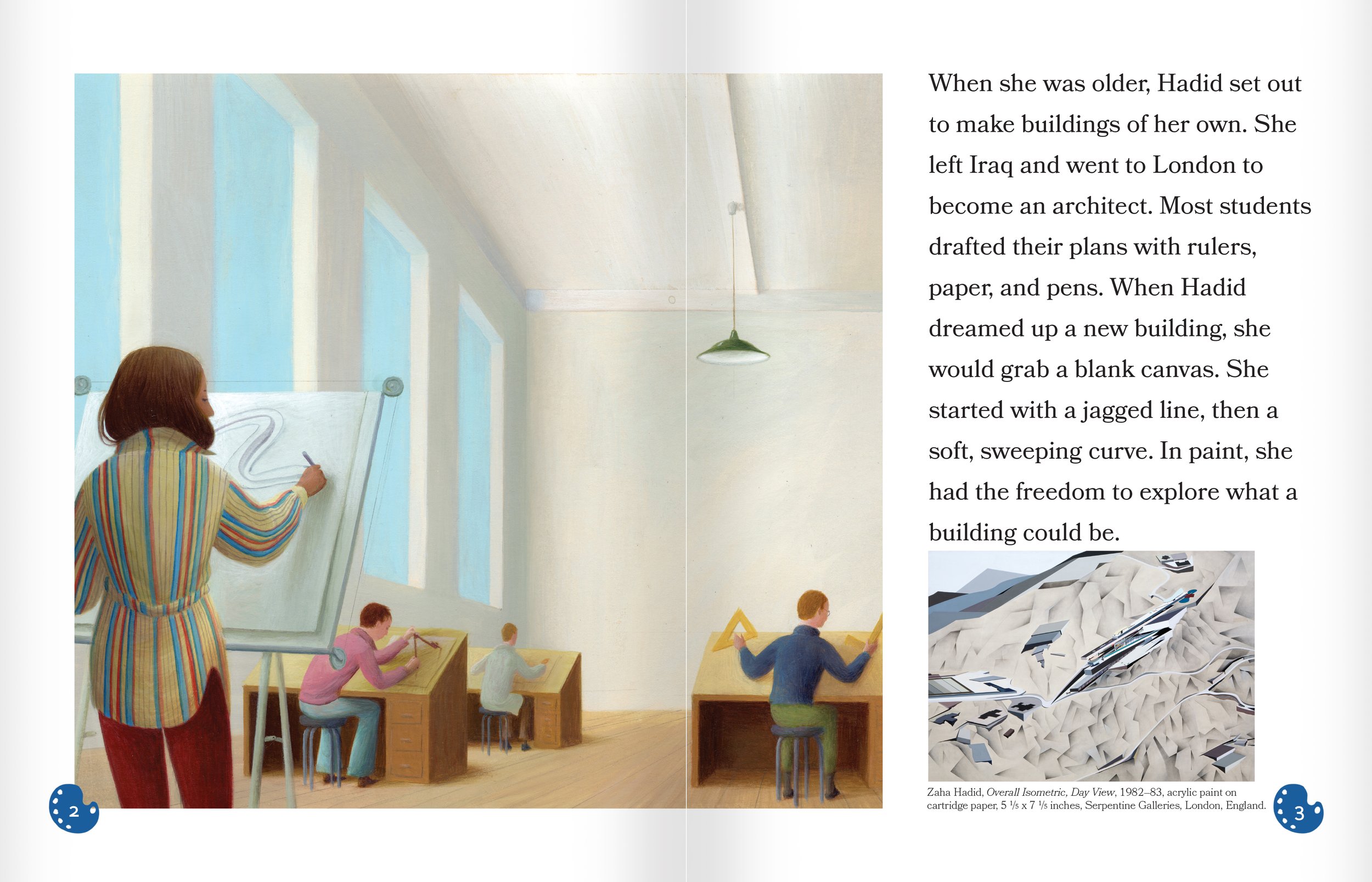
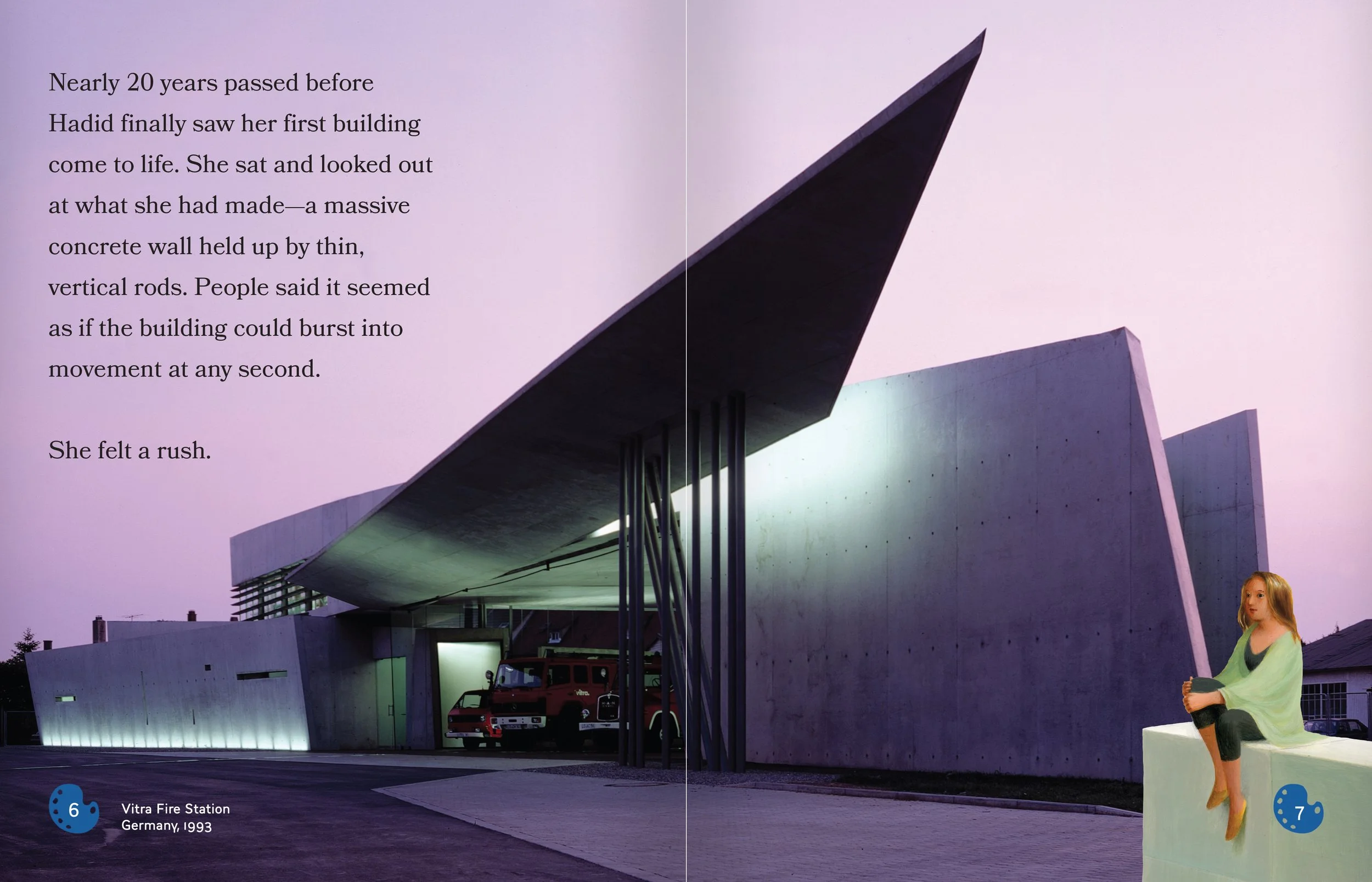
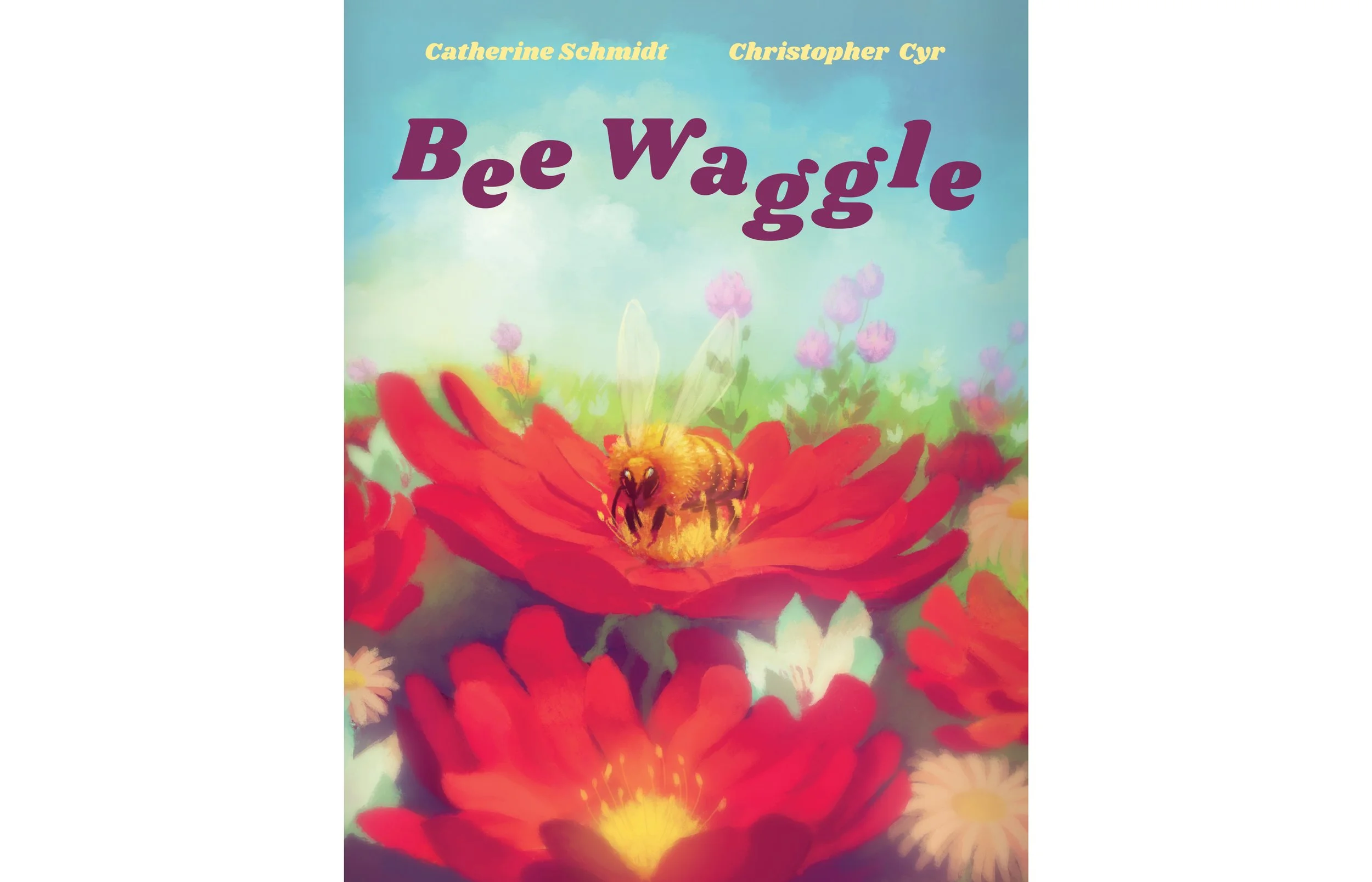
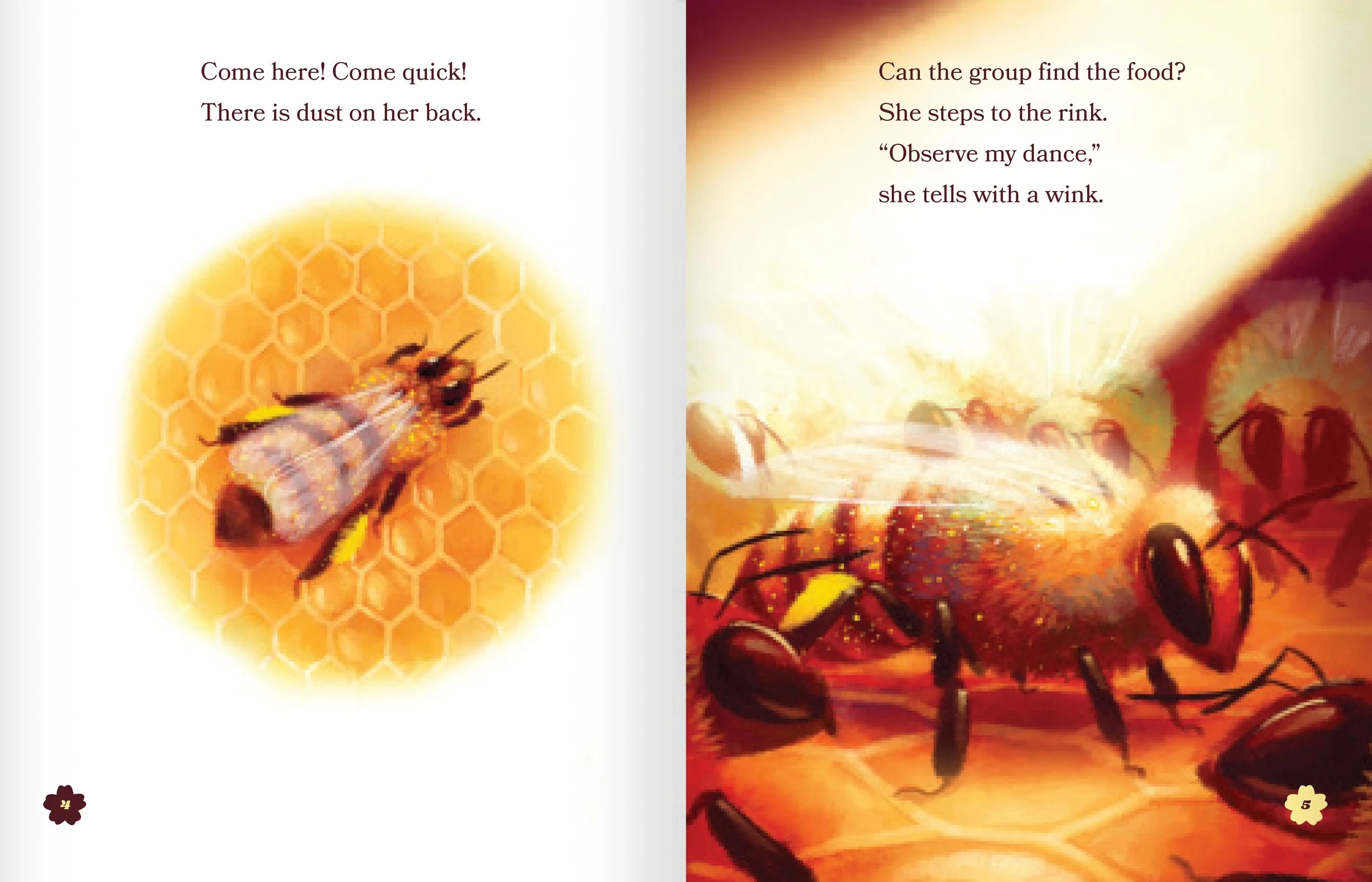
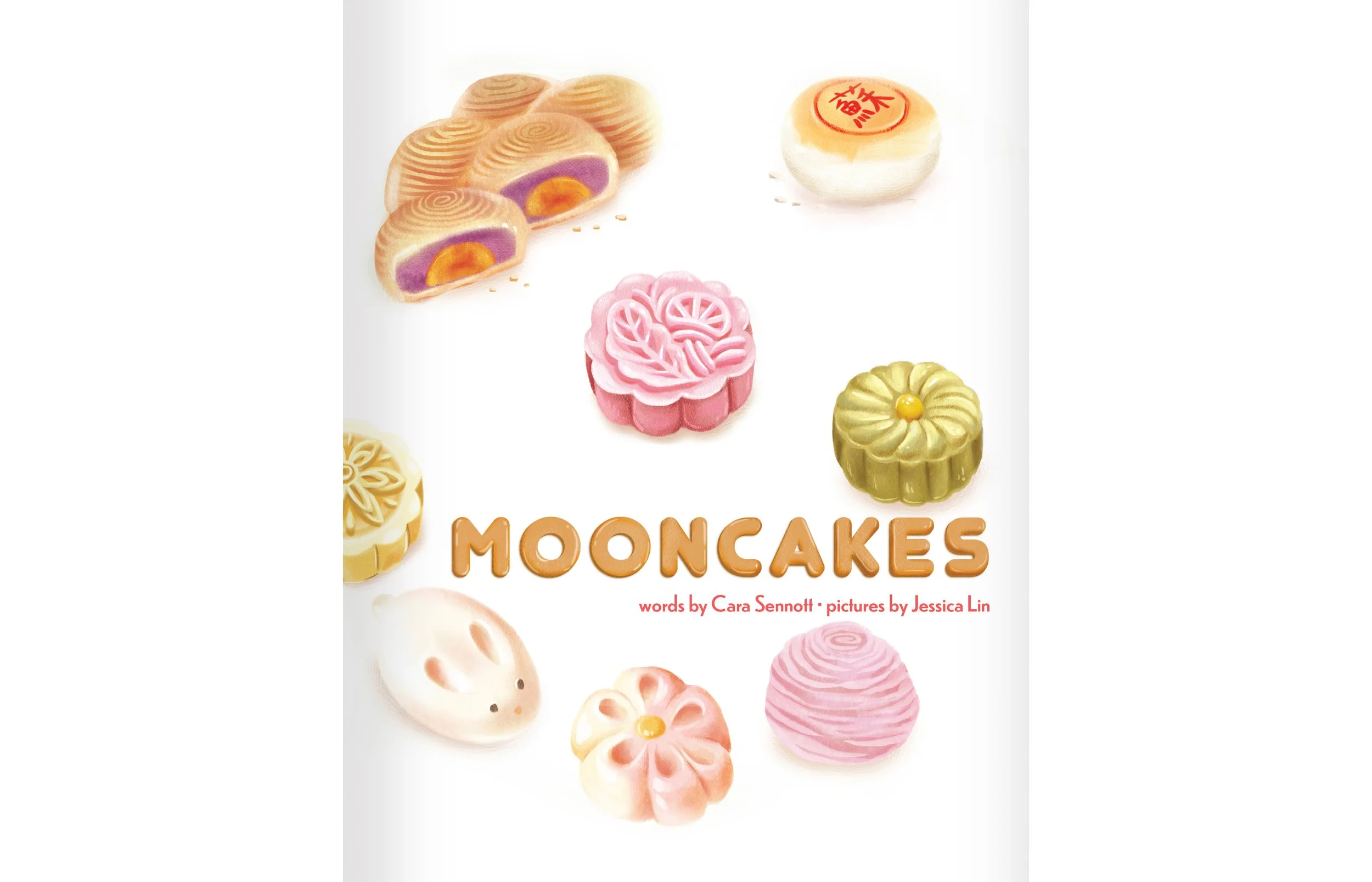
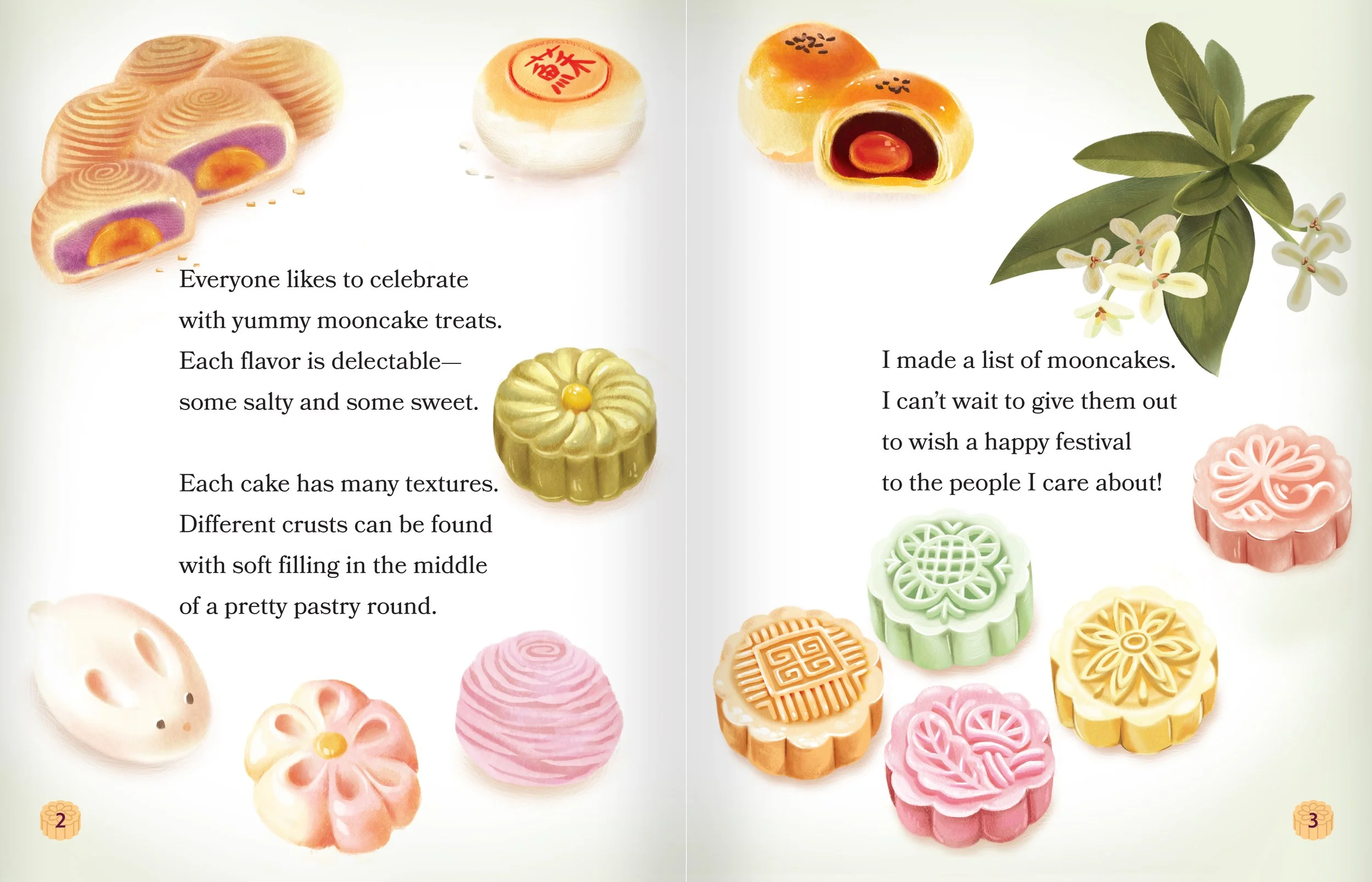
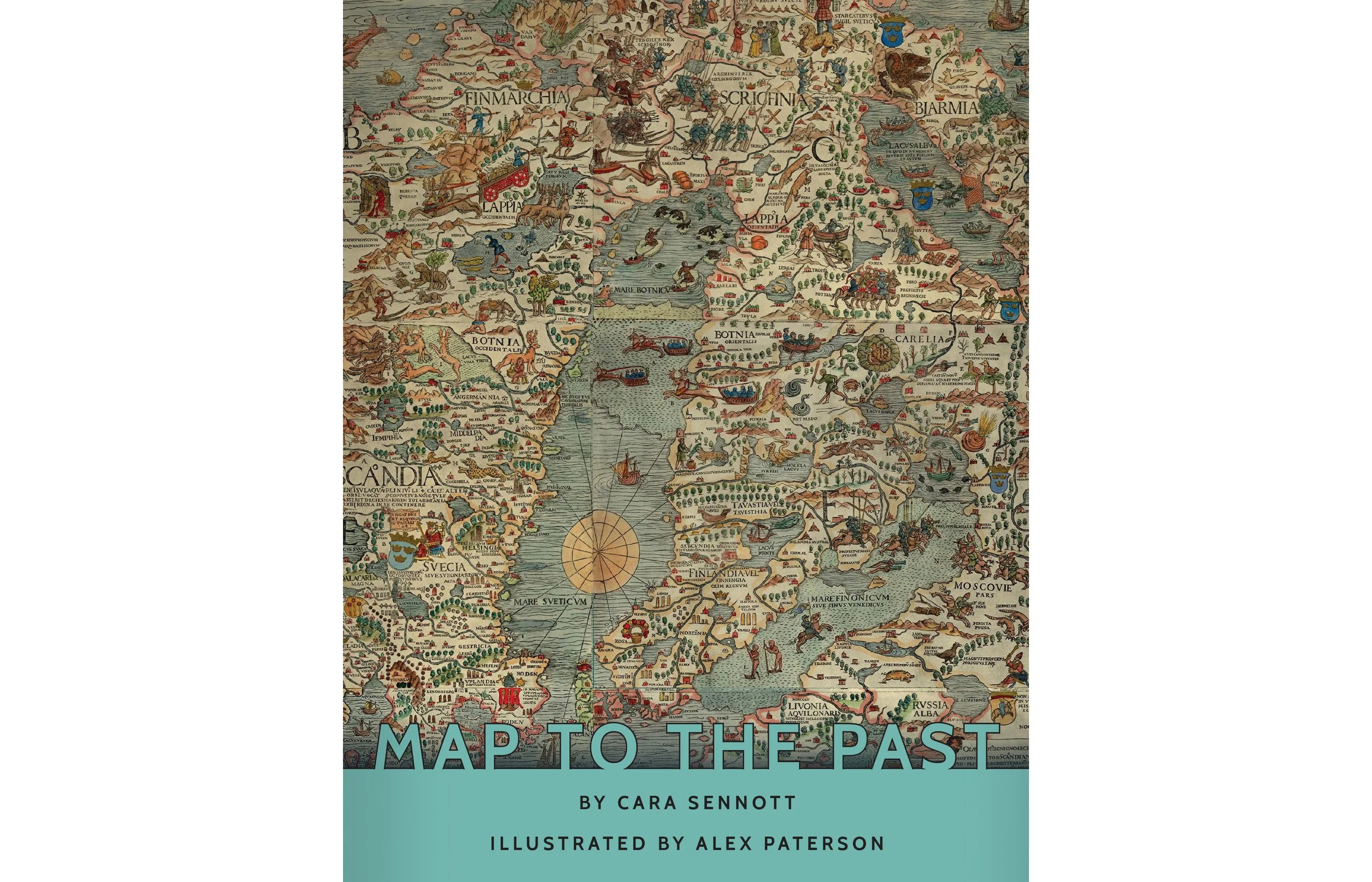
We wanted the books to feel as inviting as a picture book, so we commissioned seasoned trade book illustrators and designers to make 188 Geodes books.
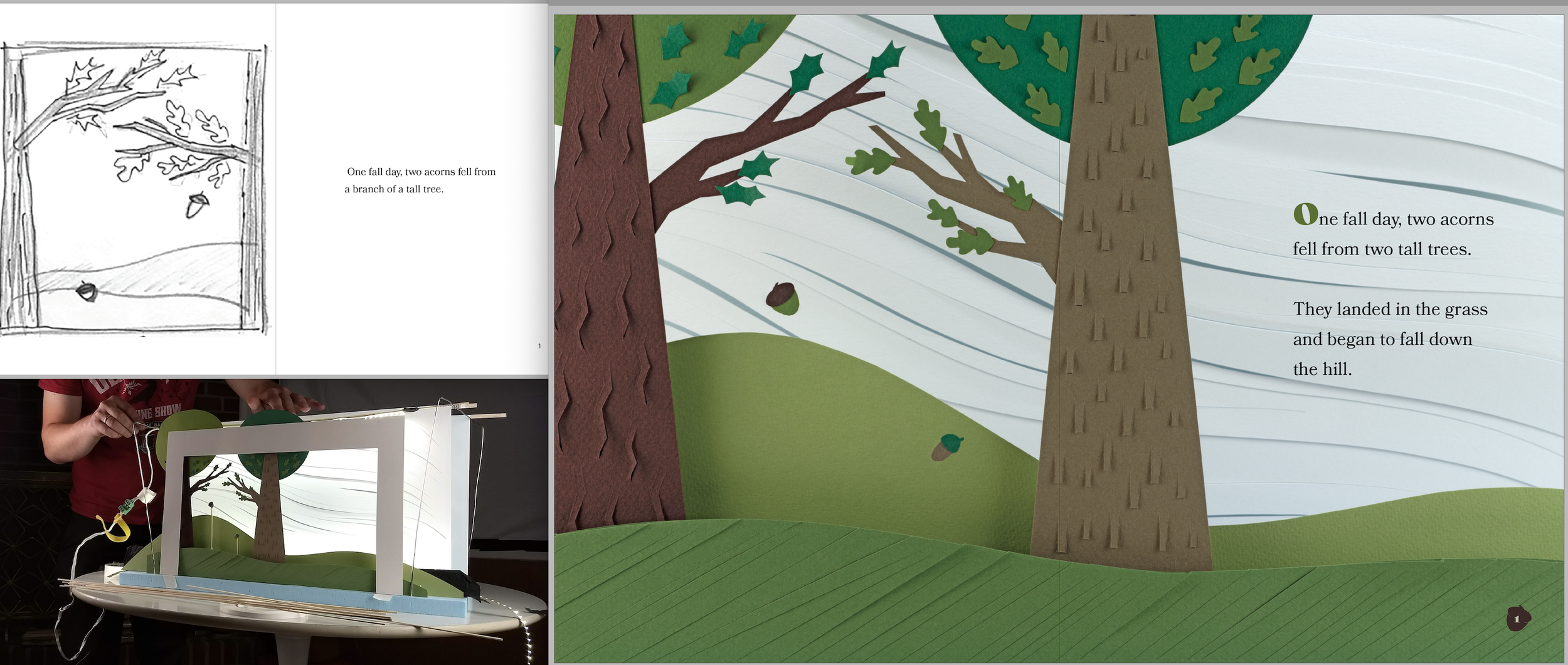
I curated the portfolio of illustrators and paired each one to the text I thought they would be most suited to create.
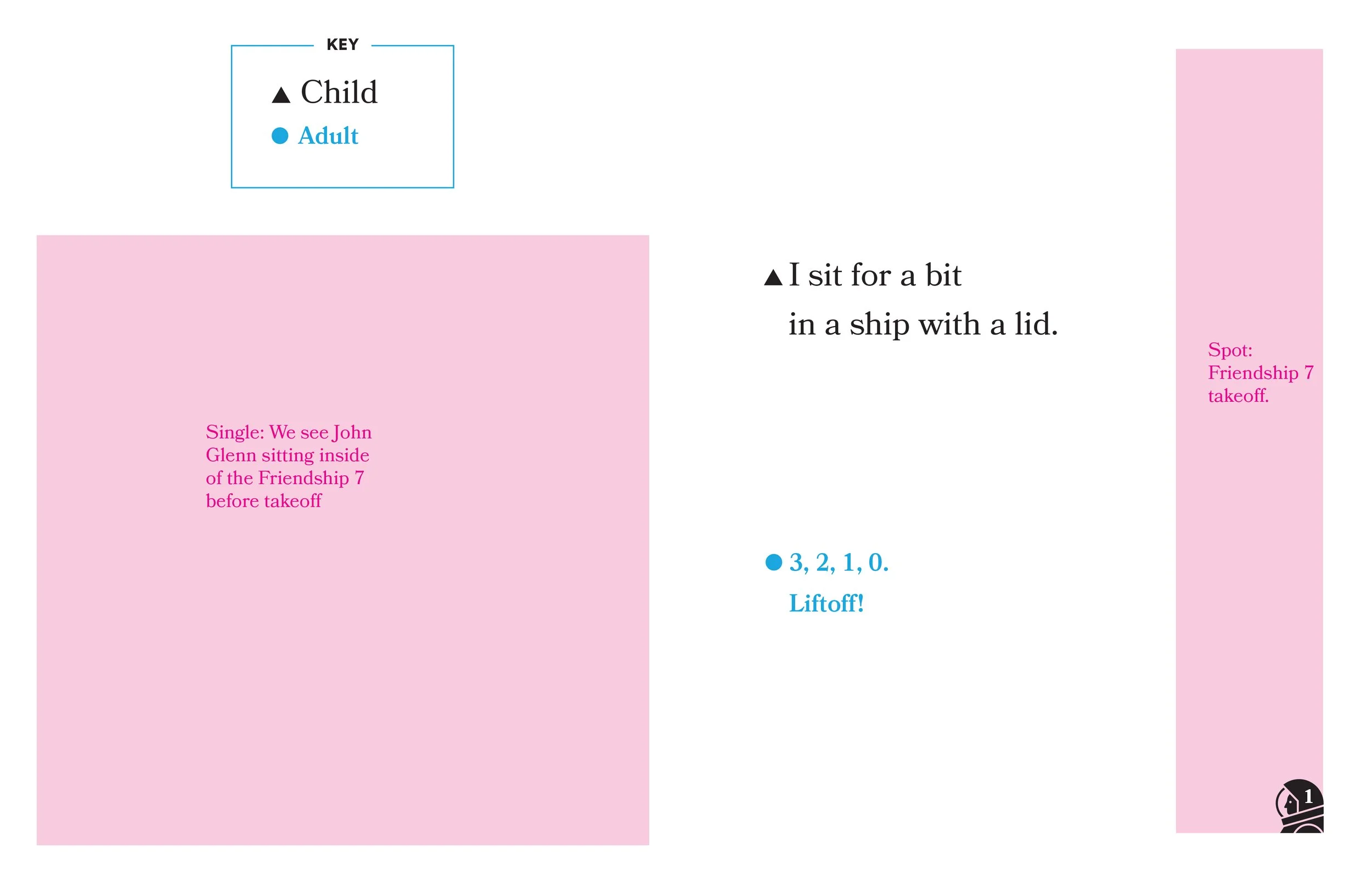
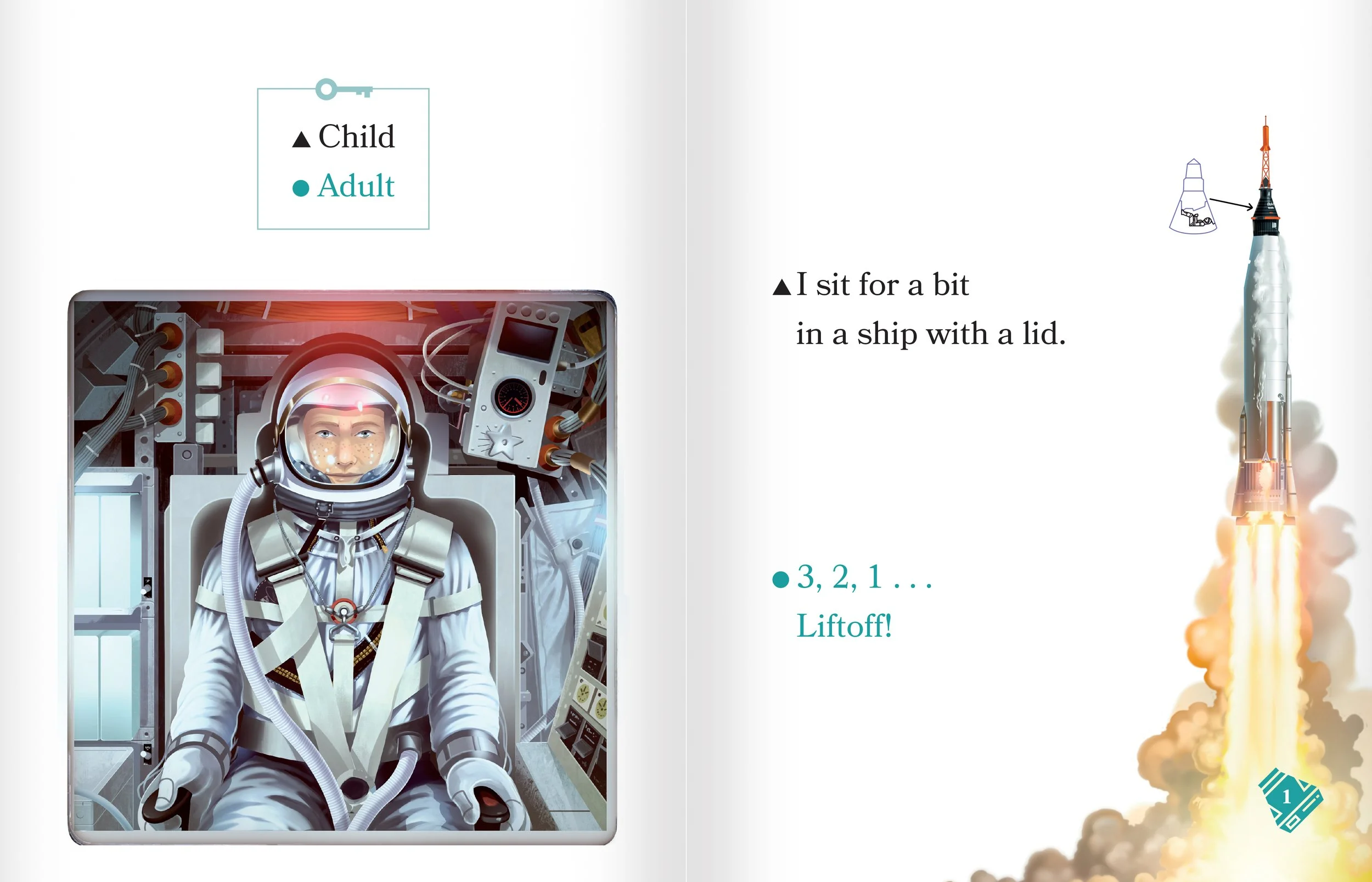
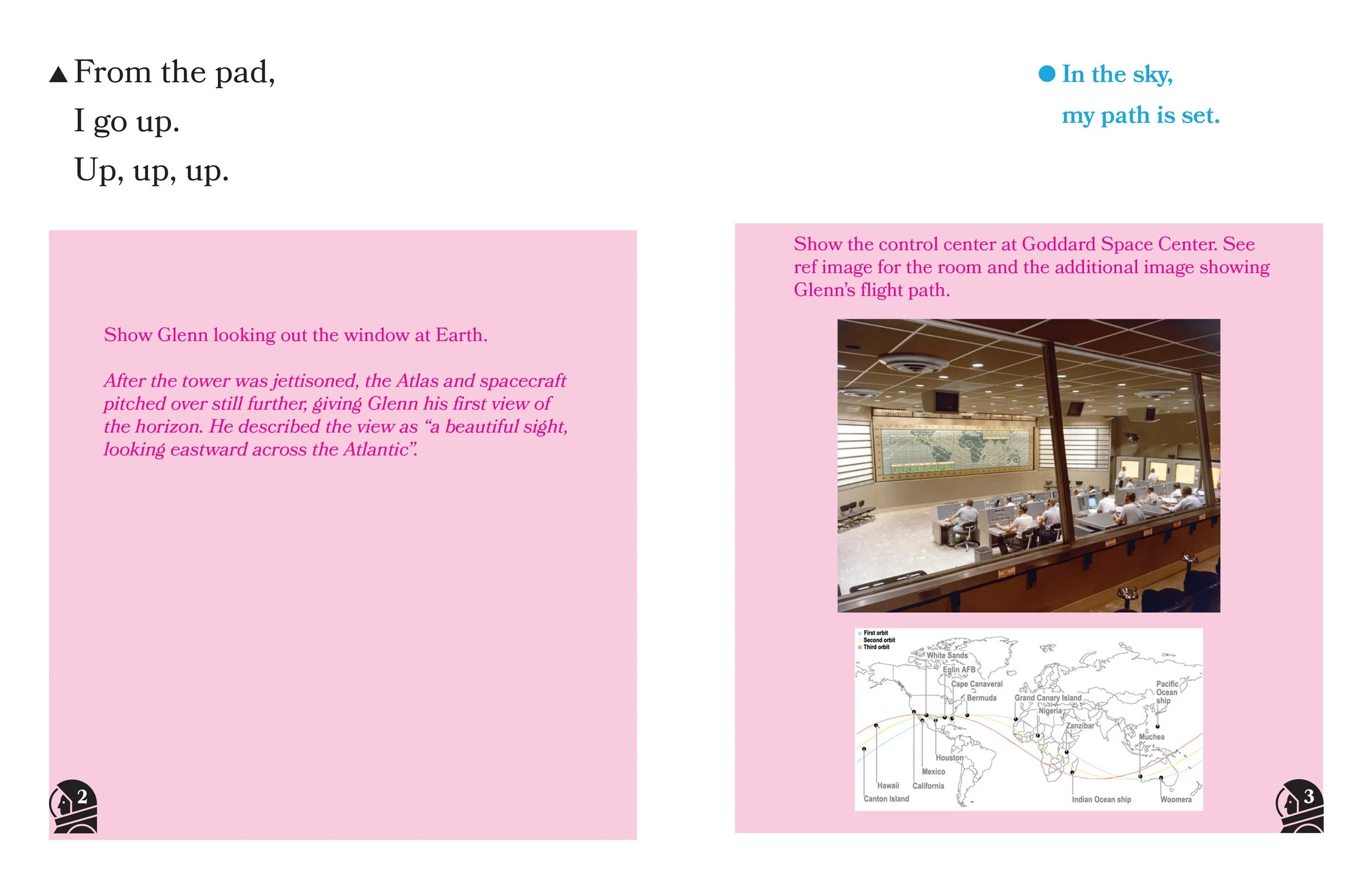
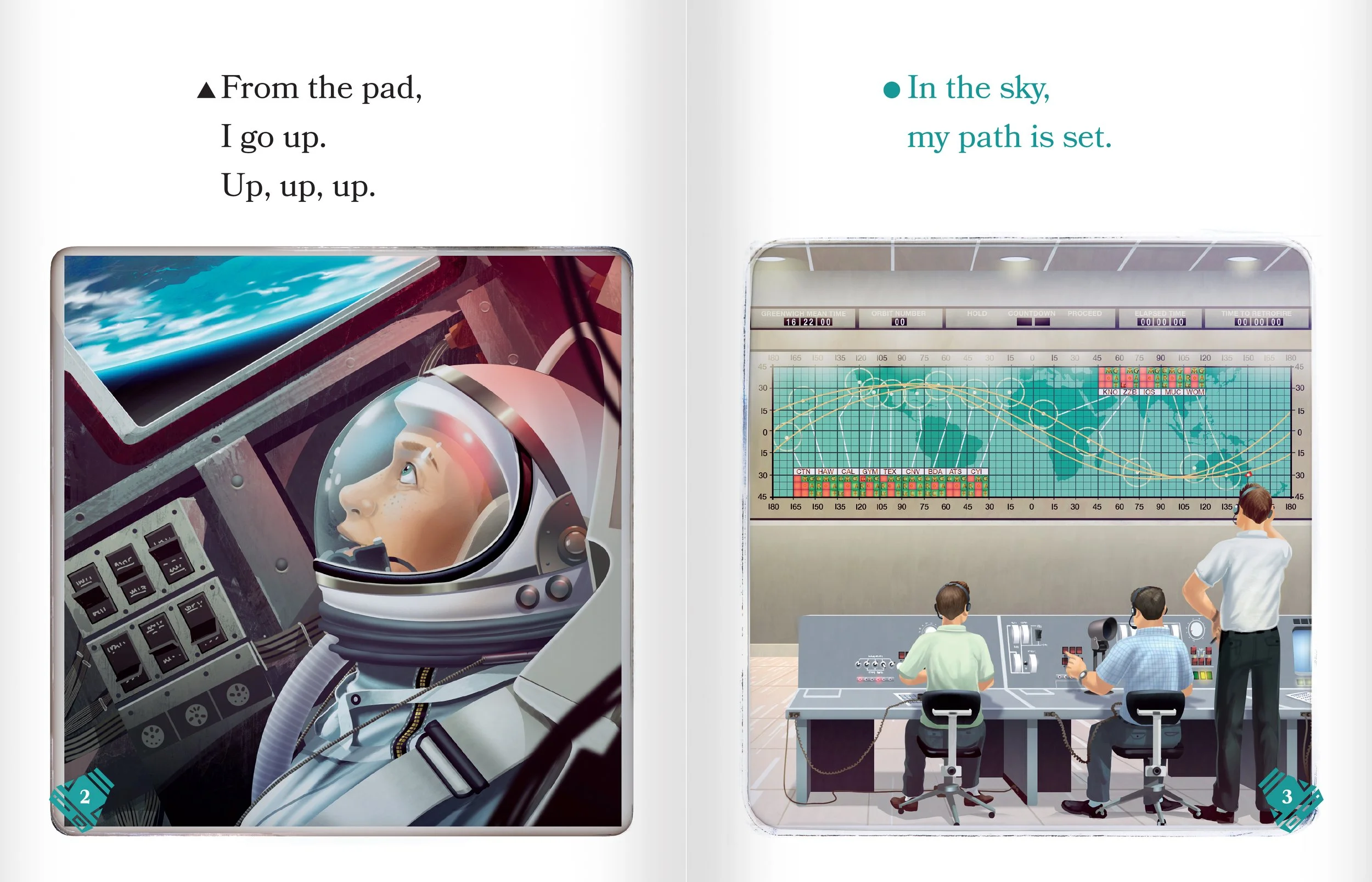
We built book maps with art direction (in pink) for the illustrators, where a lot of visual information and context could be included.
This book is about John Glenn’s orbit around Earth in Friendship 7.
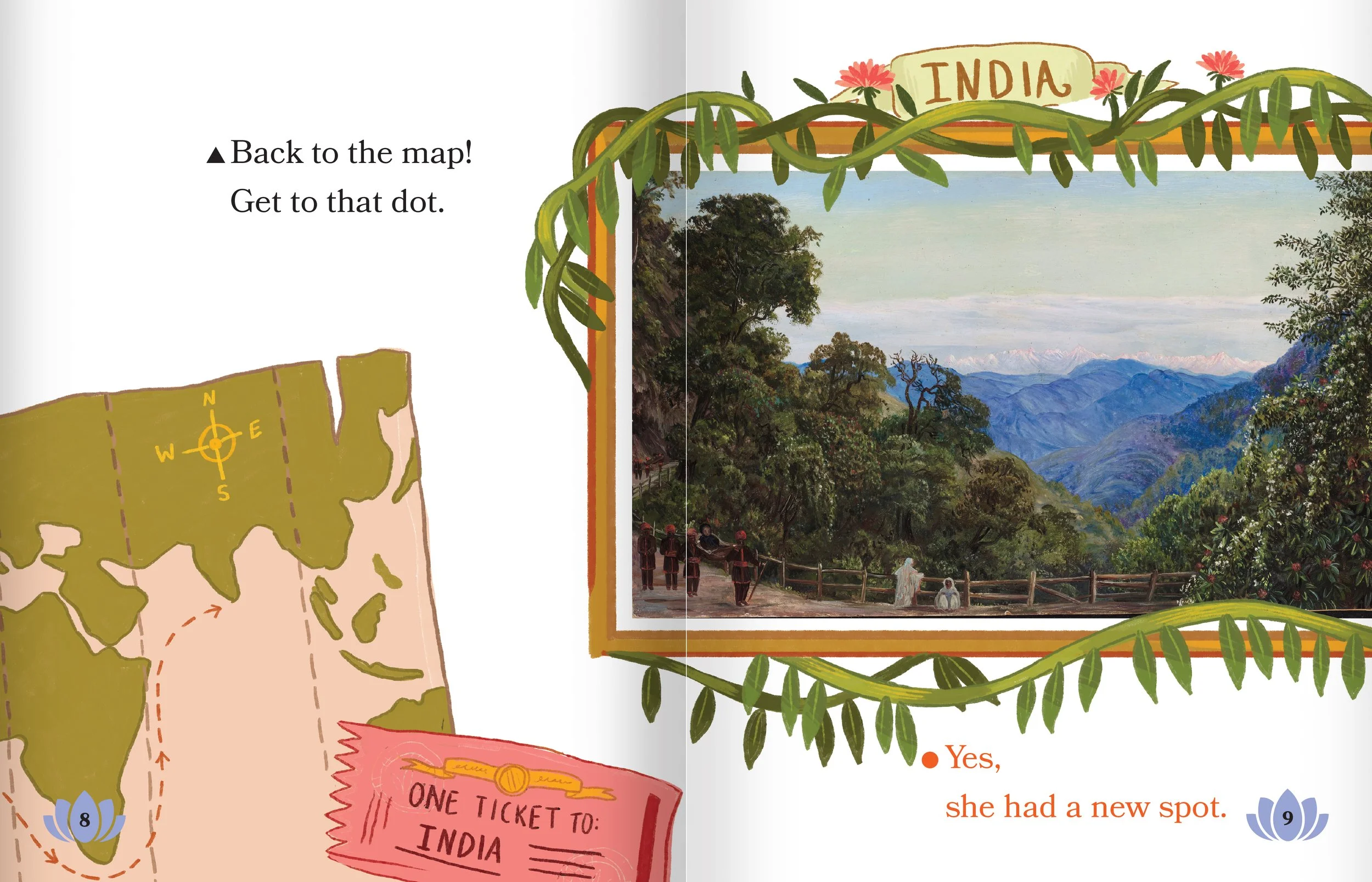
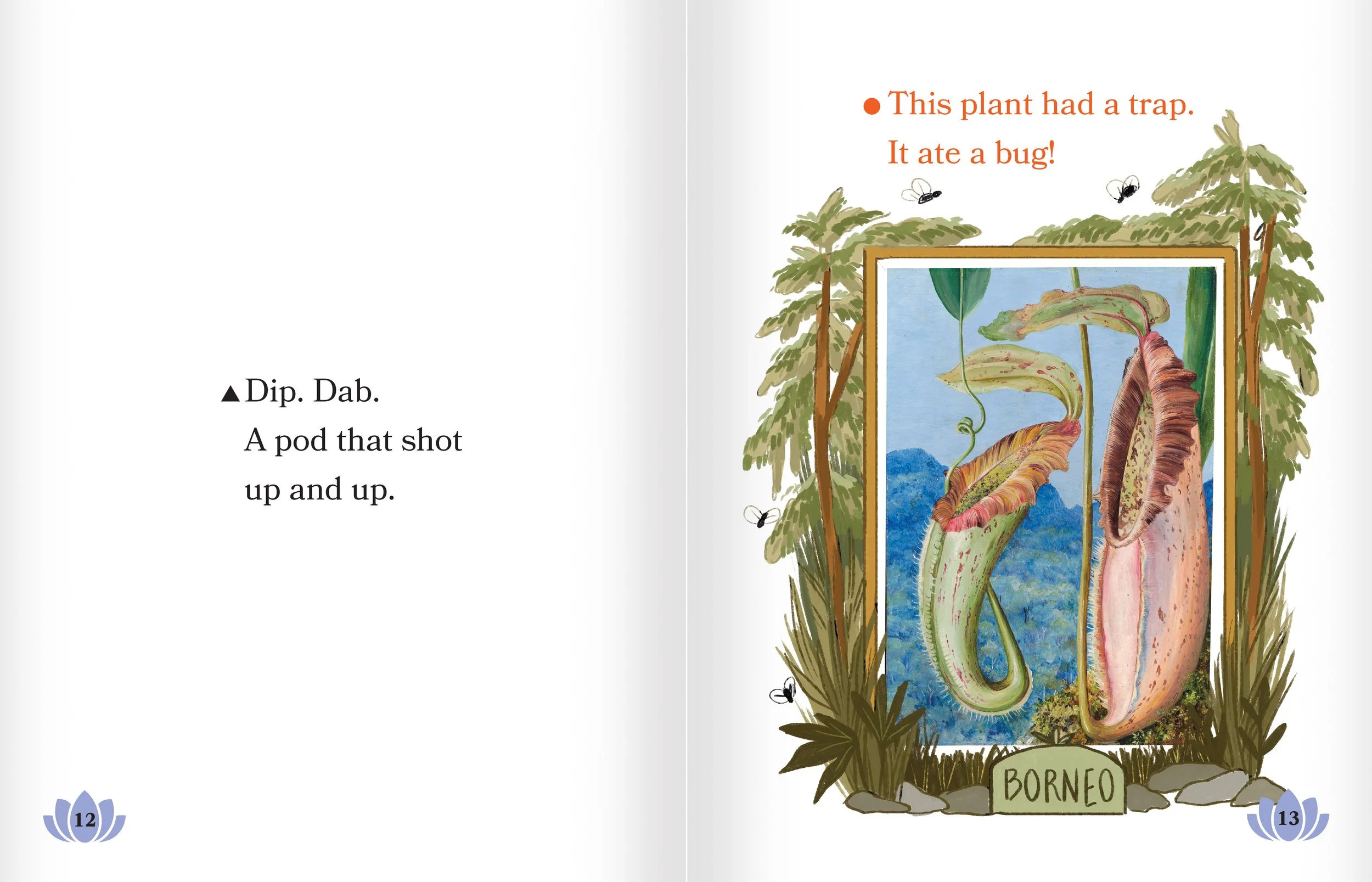
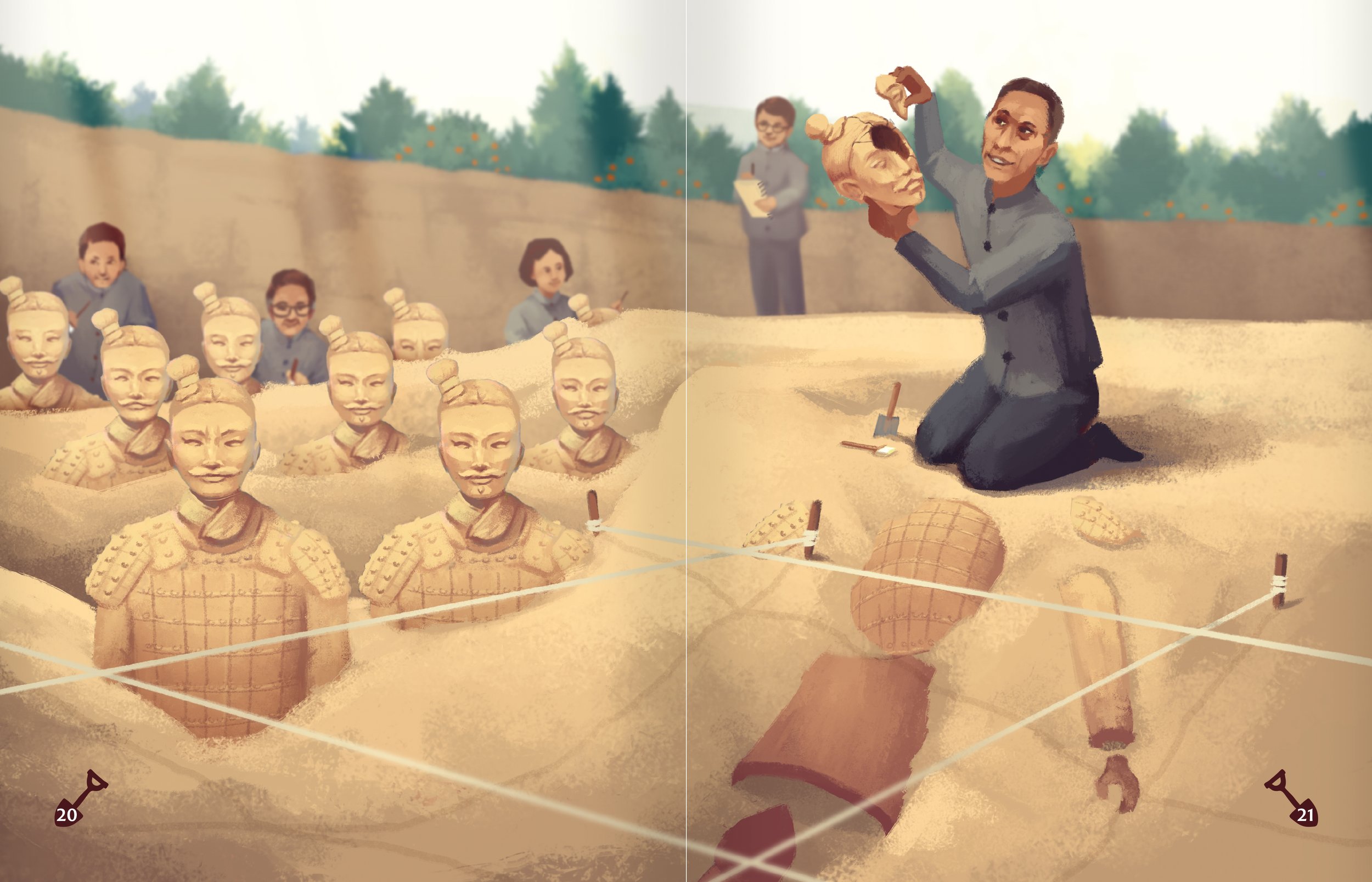
Notice how the illustrations add meaning to the words on the page.
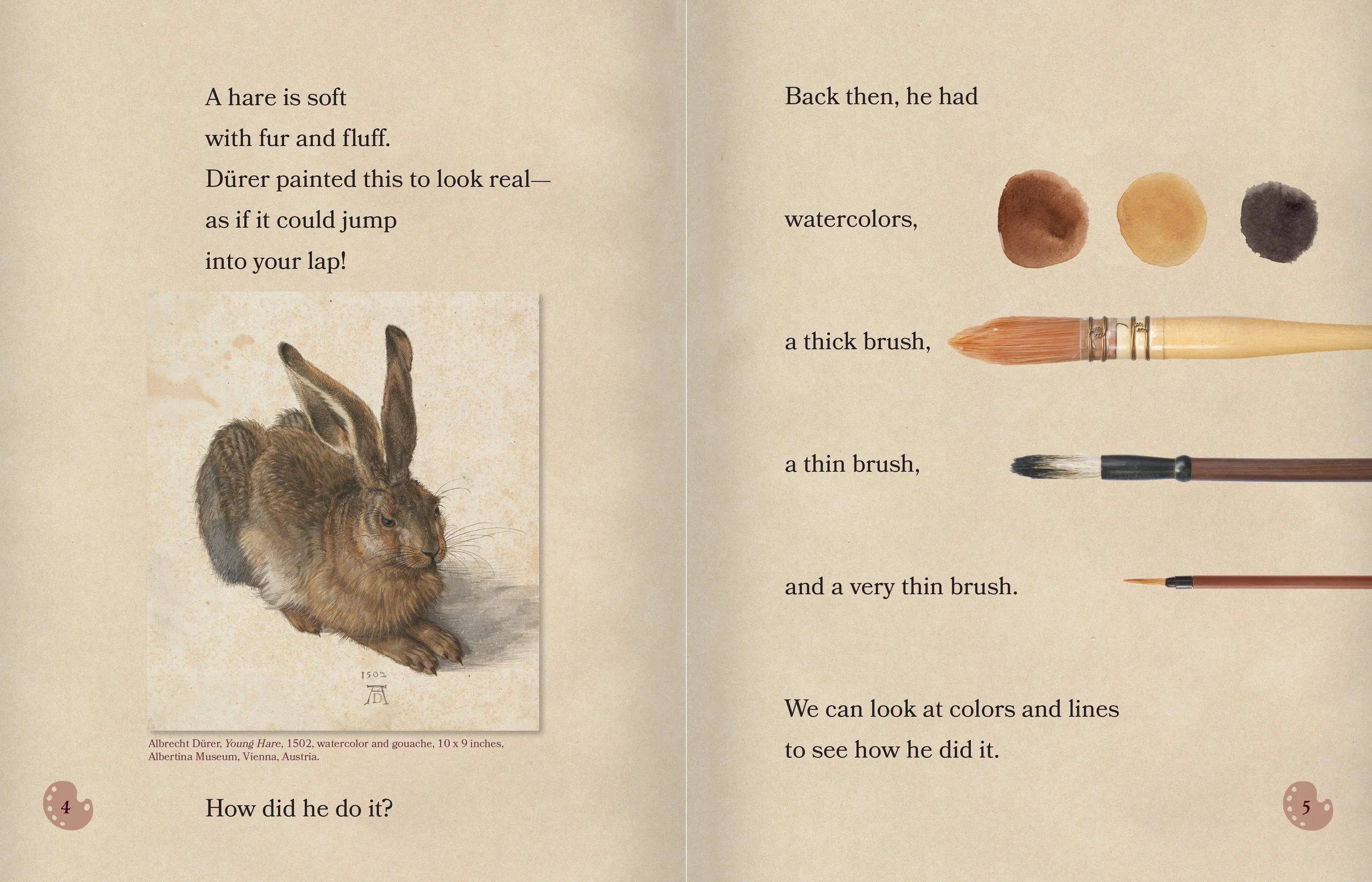
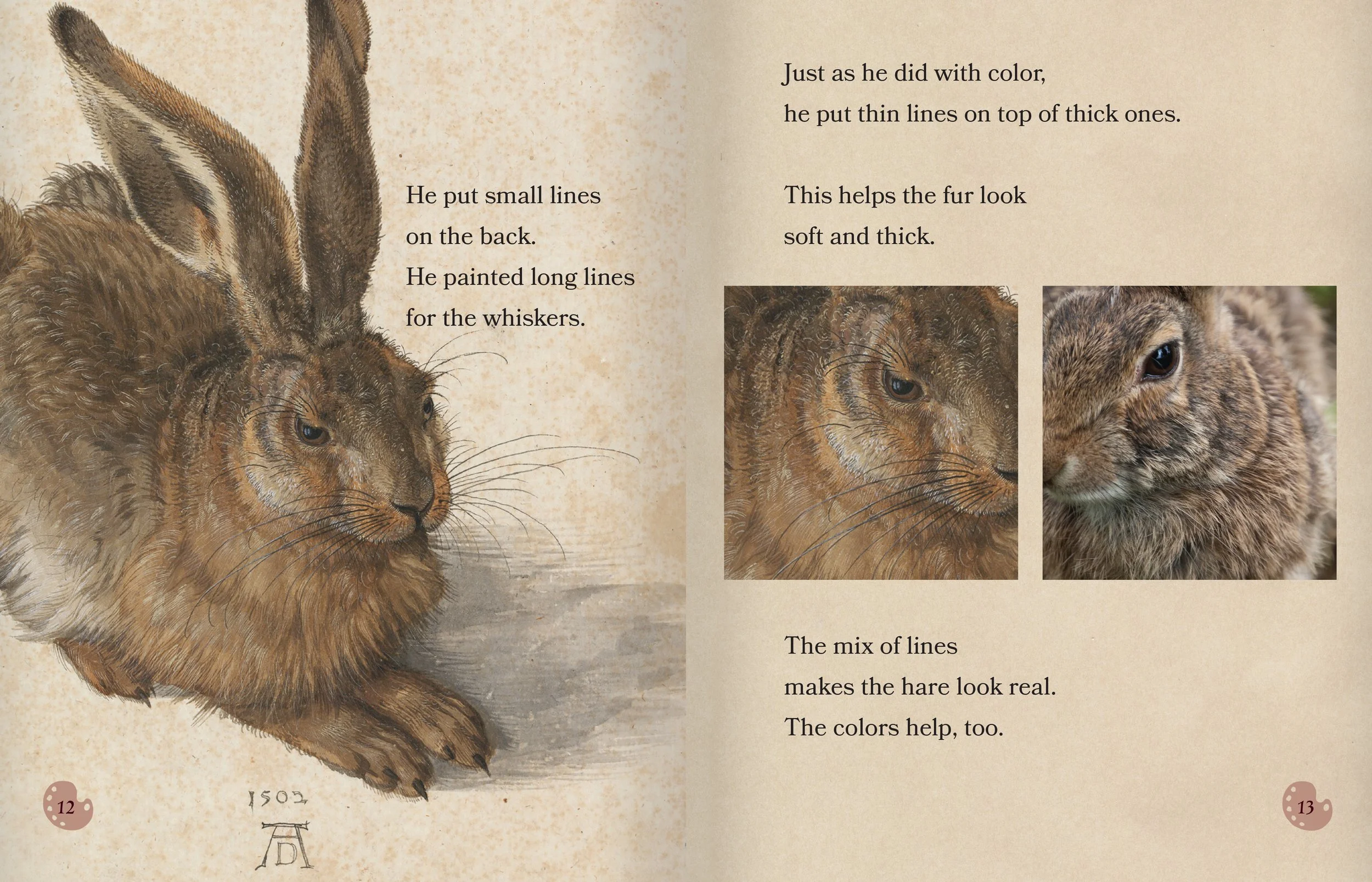
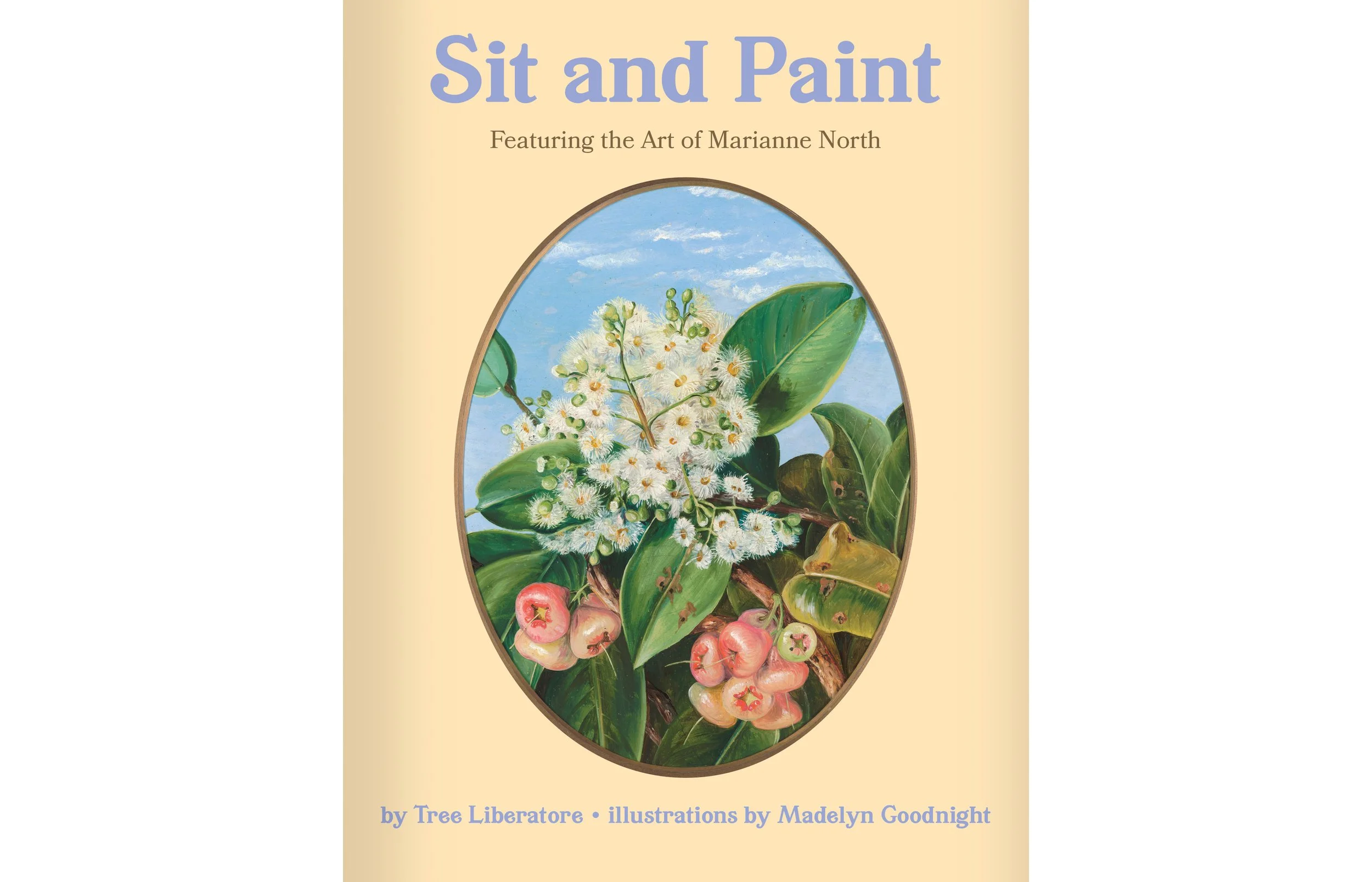
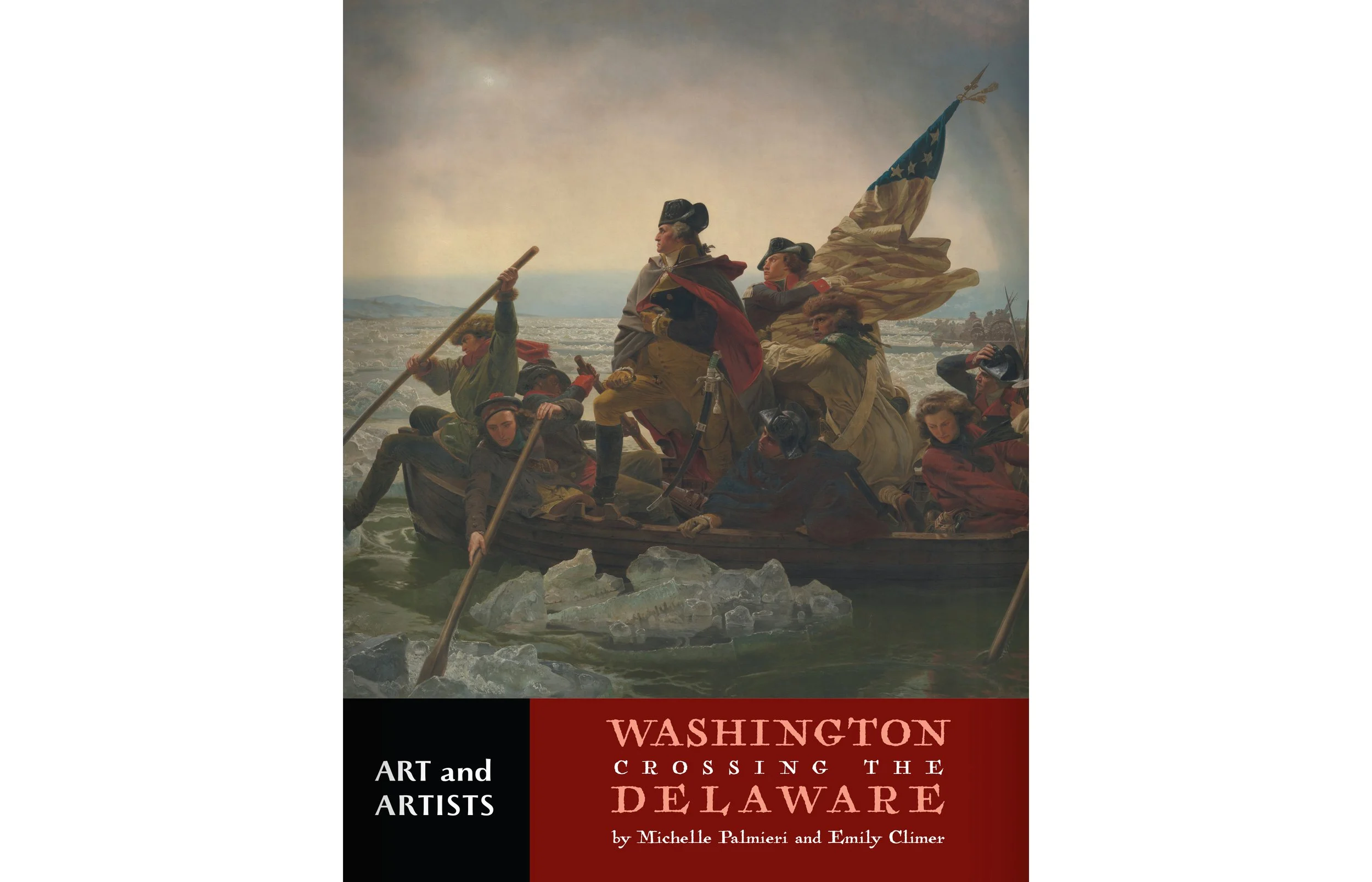
Topics were wide-ranging. Geodes covered scientific phenomena, historical events, biographies, studies of fine art, explorations of culturally significant places and traditions, and more.
On Knowledge
The books needed to be accurate — there was an accuracy editor checking the text as well as every image. The entire design team learned so much in this process that we would be quite formidable trivia opponents.
The rule of thumb was: Avoid showing something a student would later need to “un-learn”.
Accuracy review also lead to fascinating debates like:
How far can dandelion seeds actually scatter? Up to 500 mile according to the Smithsonian.
To fit with the time period, should Susan B. Anthony be depicted in a hat out in public? No, that illustration looked ridiculous.
Is this book about one specific ant, or ants in general? The text was photographic — it needed to be about ants in general to capture all the right action.
Did Dorothy Height speak into a microphone when she won an oratory contest as a teenager in the 1920s? She did not and spoke to a room of about 2,000 people.
Can we confirm this is a photograph of a yardang? Thank goodness for expert reviewers.
On Readability
In order to make design choices that would support students with dyslexia or other text processing challenges, we consulted with experts in the field as well as dyslexic readers. We saw that “dyslexia-friendly fonts” were not backed by science (source 1) (source 2), and determined larger type, generous line spacing, and distinct characters would give students the best opportunity to decode and build fluency. We ensured running text aligned left, and reduced distractions behind text (illustrative or photographic). As the project moved to digital and we began development on Level 3, we incorporated WCAG color contrast guidance for all type as well as any diagrams or inforgraphics that conveyed information.
On timeline
We created 172 Geodes books in 32 months. The tight schedule meant that we needed to puzzle illustrator contracts and deadlines together. The project started with one fulltime creative (me) and several per-title designers. By the end of the Level K-2 product development cycle, we had a fulltime design team of 4.
When we created Level 3, the design phase was 8 months for 16 fully-illustrated, 64 page chapter books; and 16 unique, 24-page workbooks. The teacher guidance had even less time. A team of 7 multi-tasking designers were able to pull it off.
The feedback process for illustrators was comprehensive (6 different stakeholders) and crafting feedback in an effective way while maintaining positive relationships with illustrators and their reps was paramount in order to keep the project on-schedule. And they were often simultaneously getting feedback on one book while getting final feedback on another.
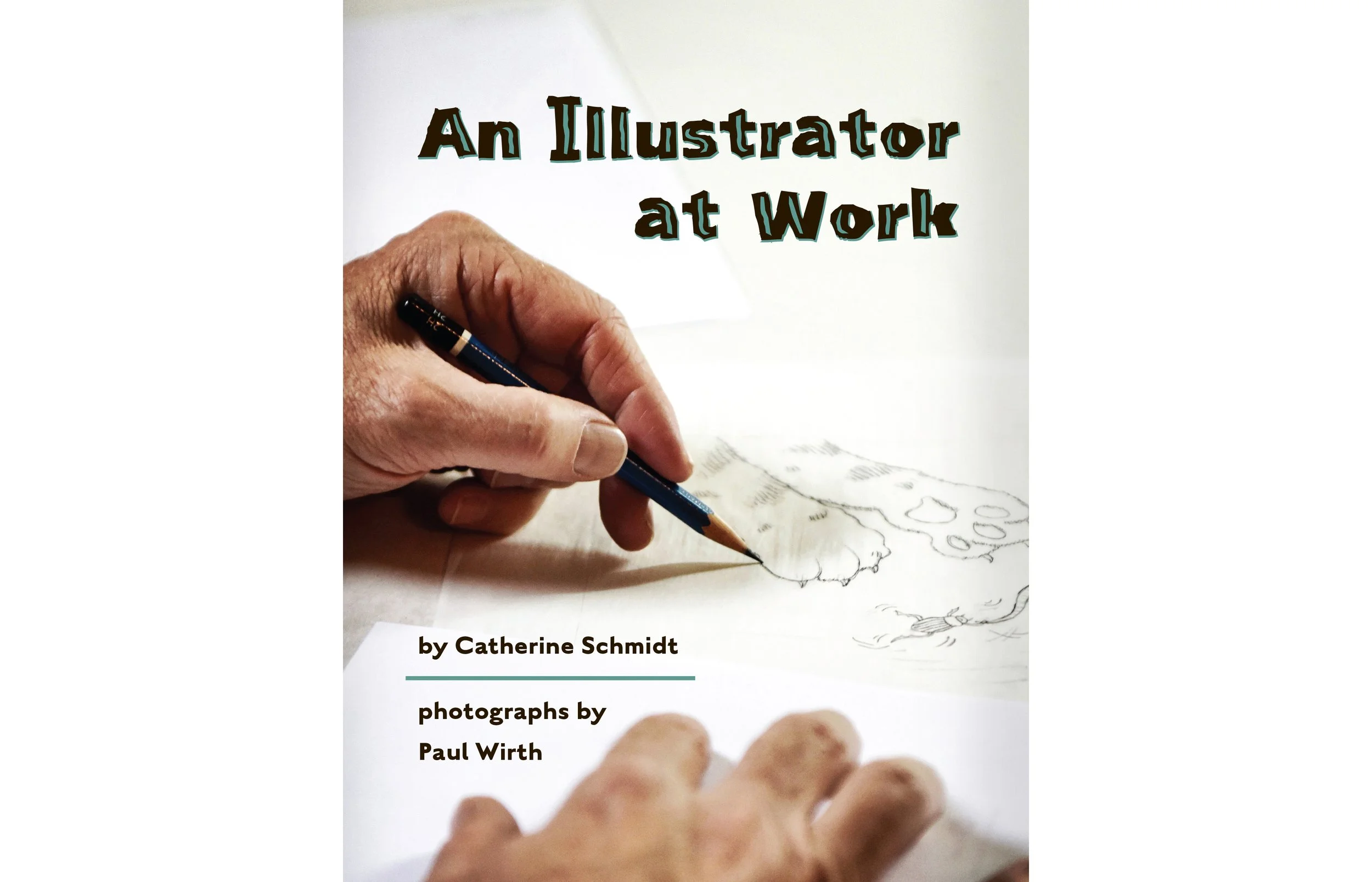
I was the Creative Director, but I still enjoyed the opportunity to design a few titles myself.
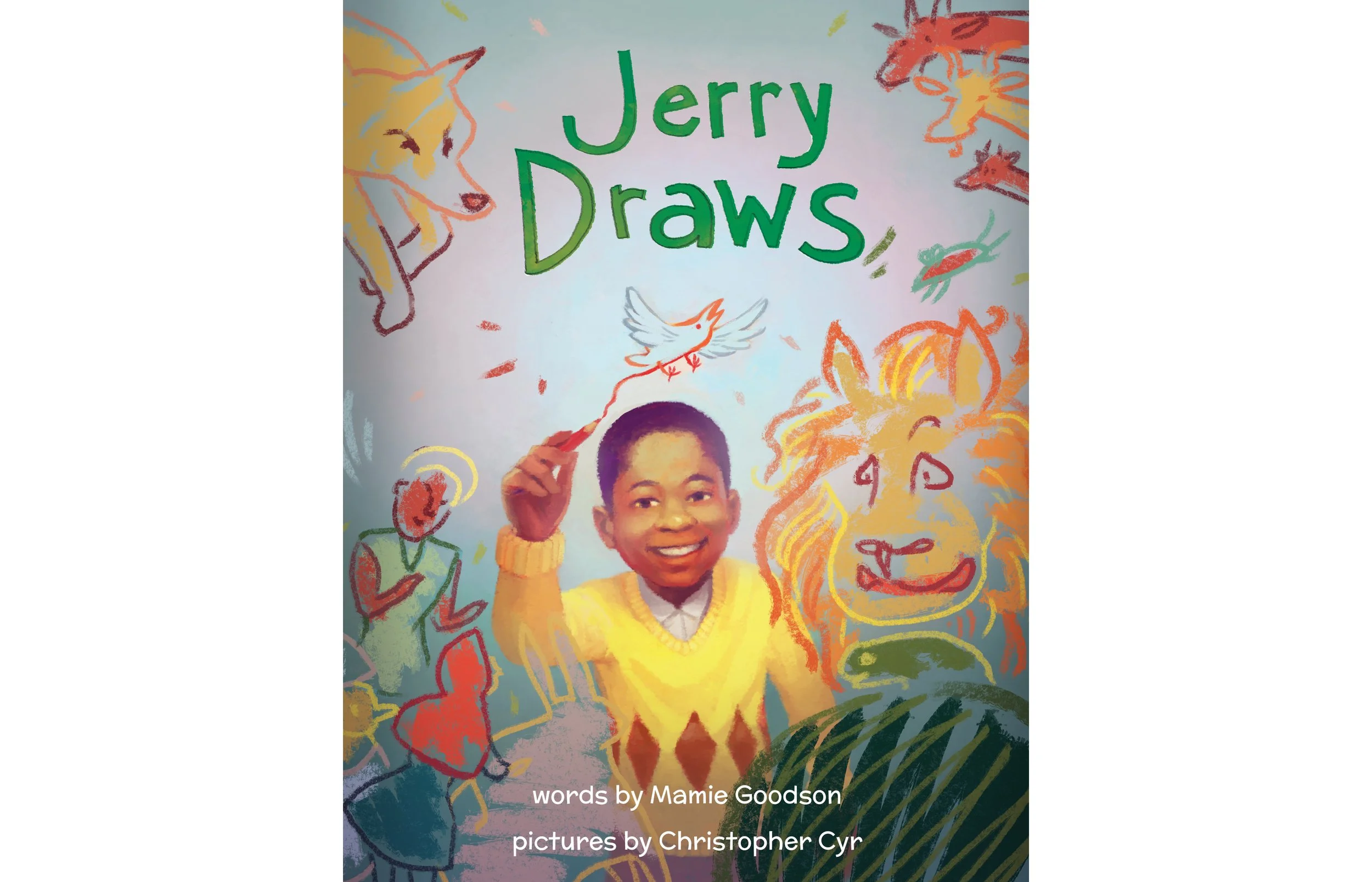
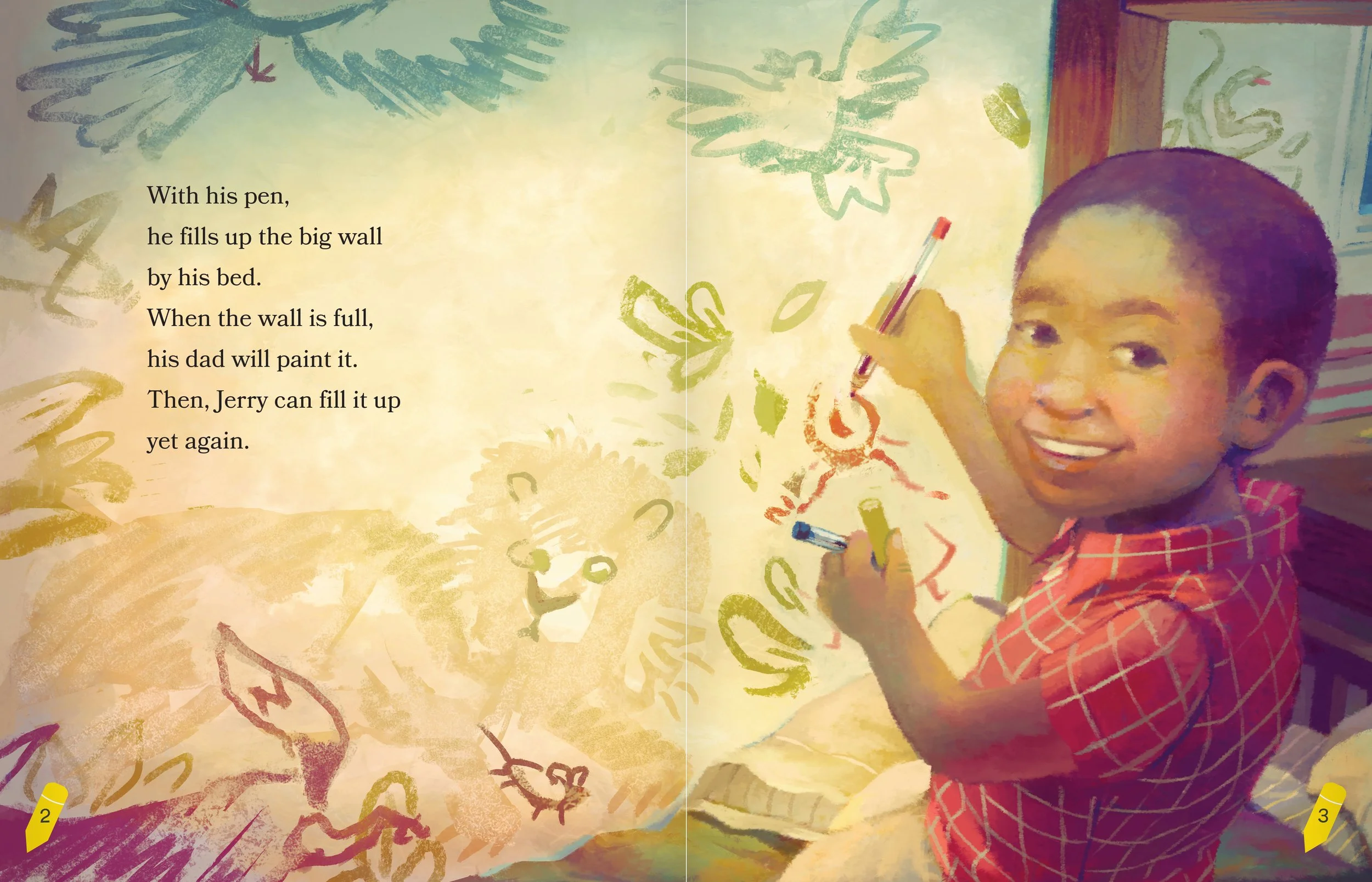
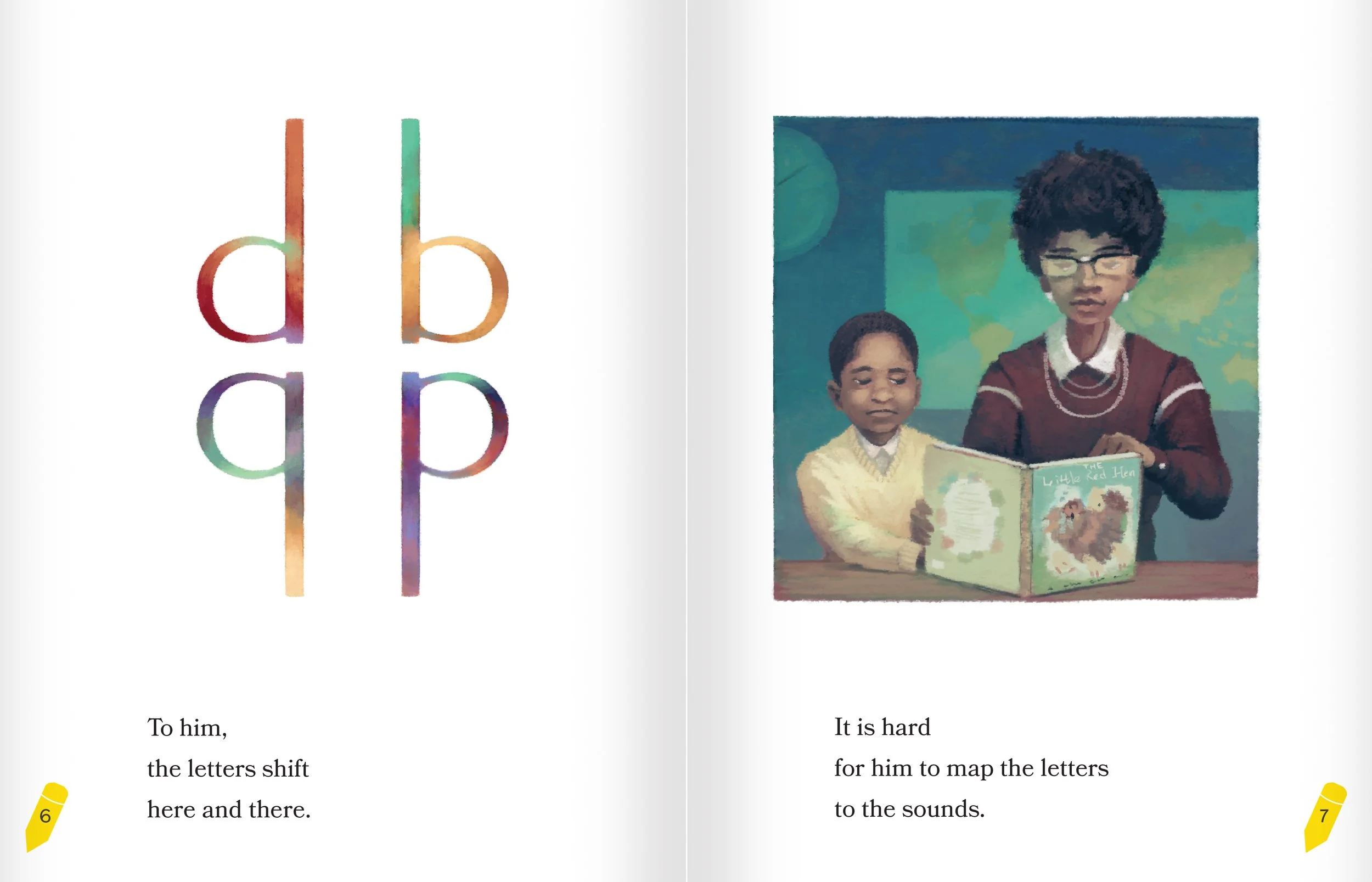

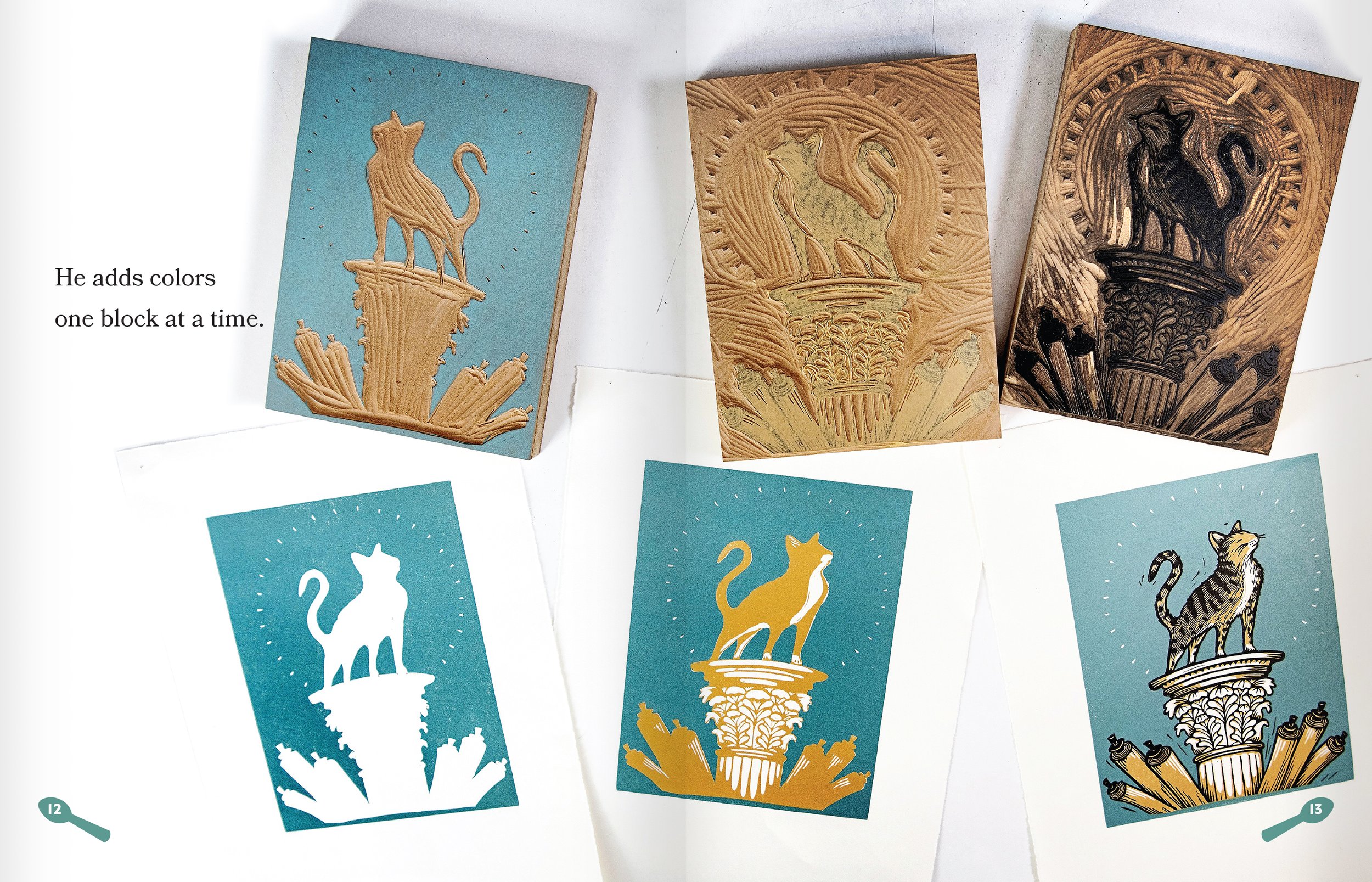
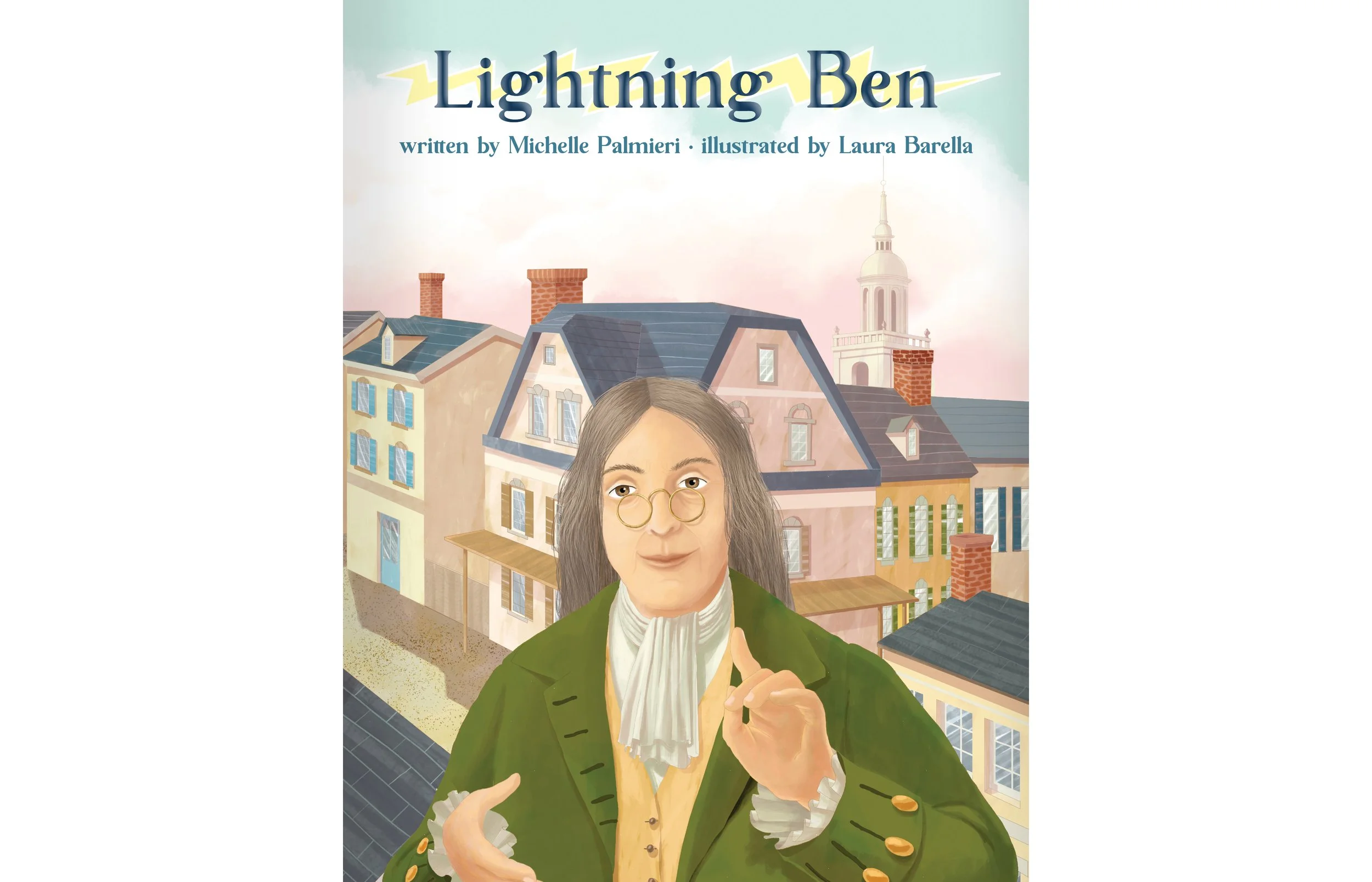
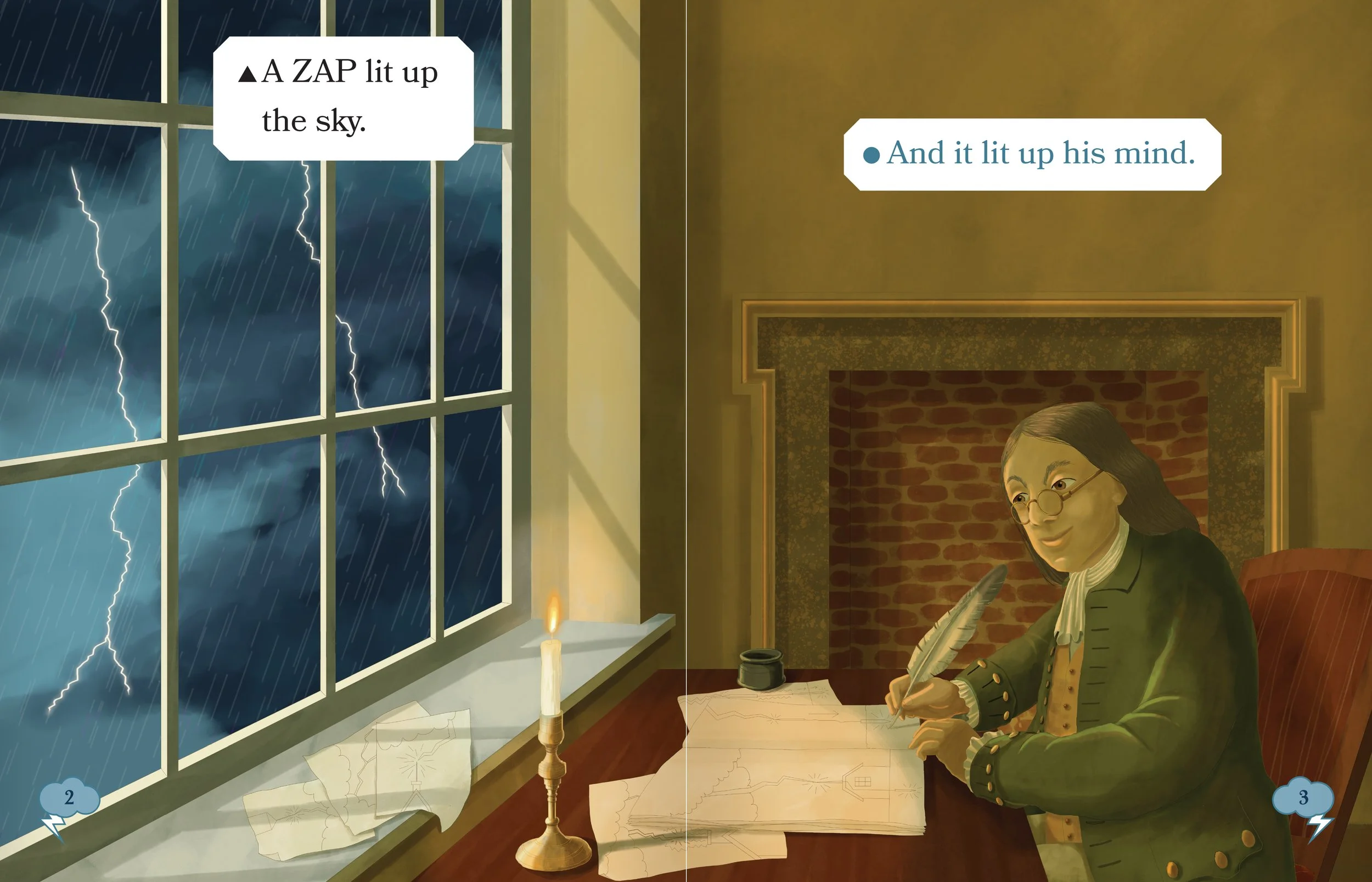
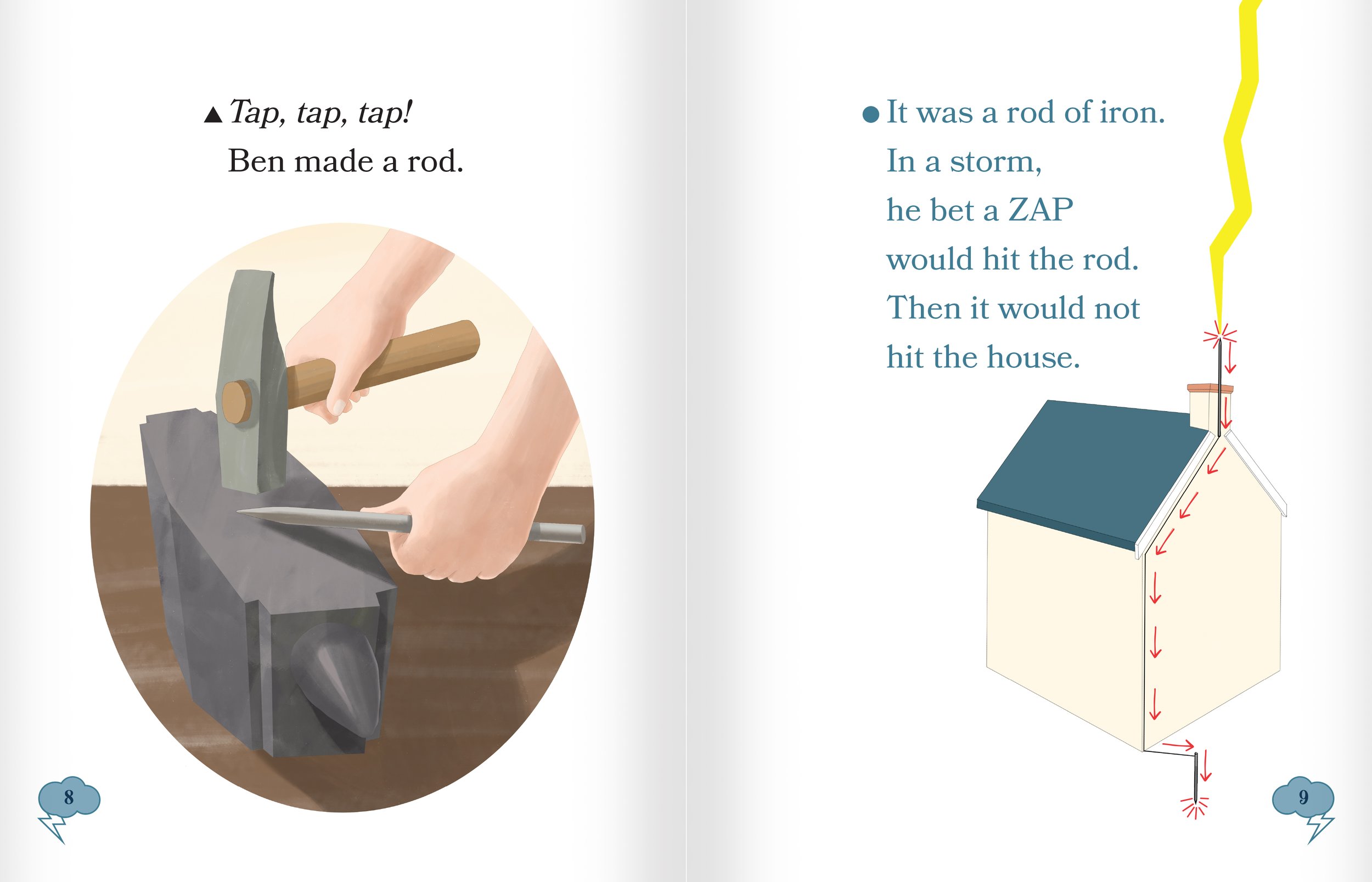

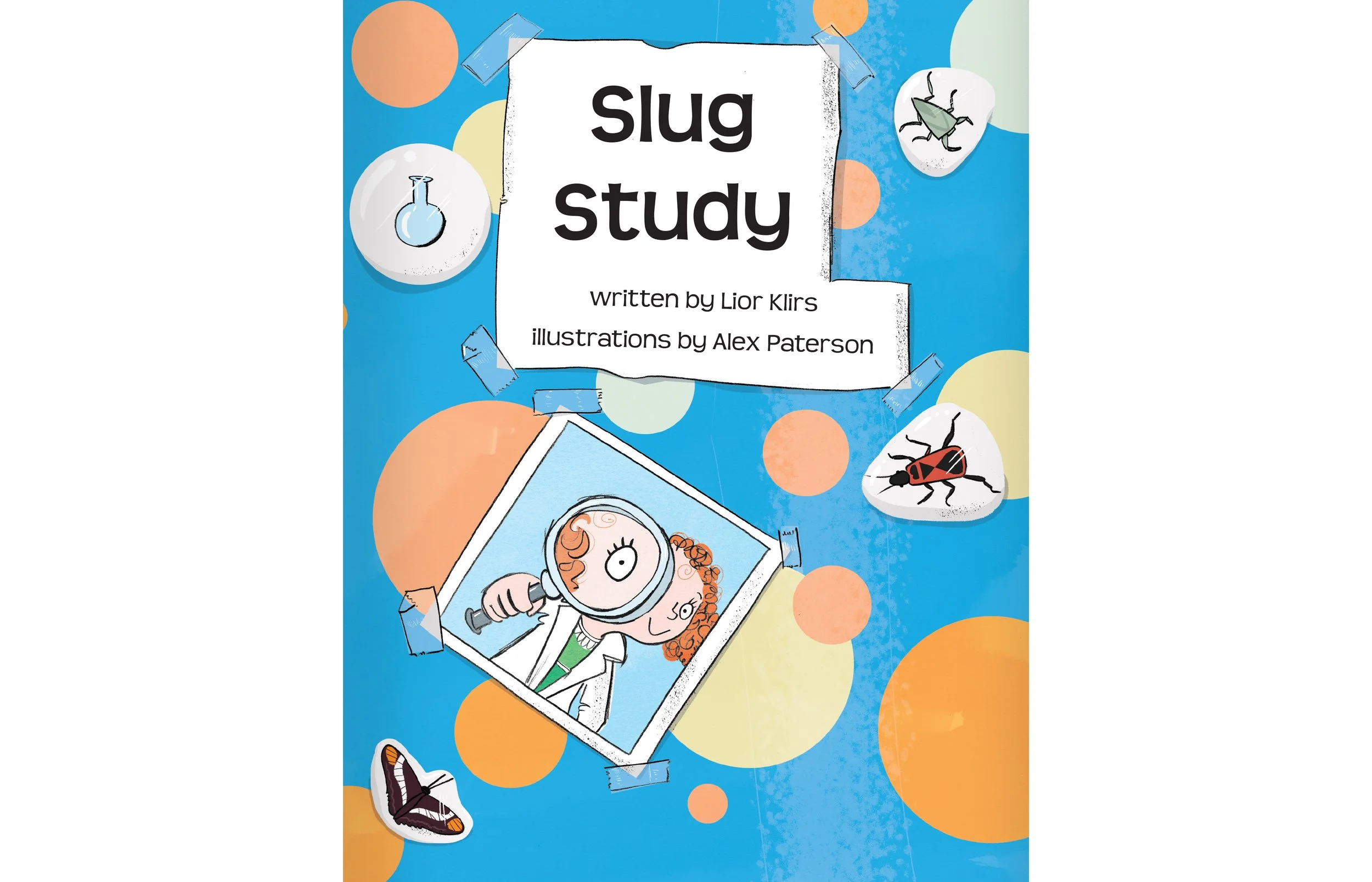
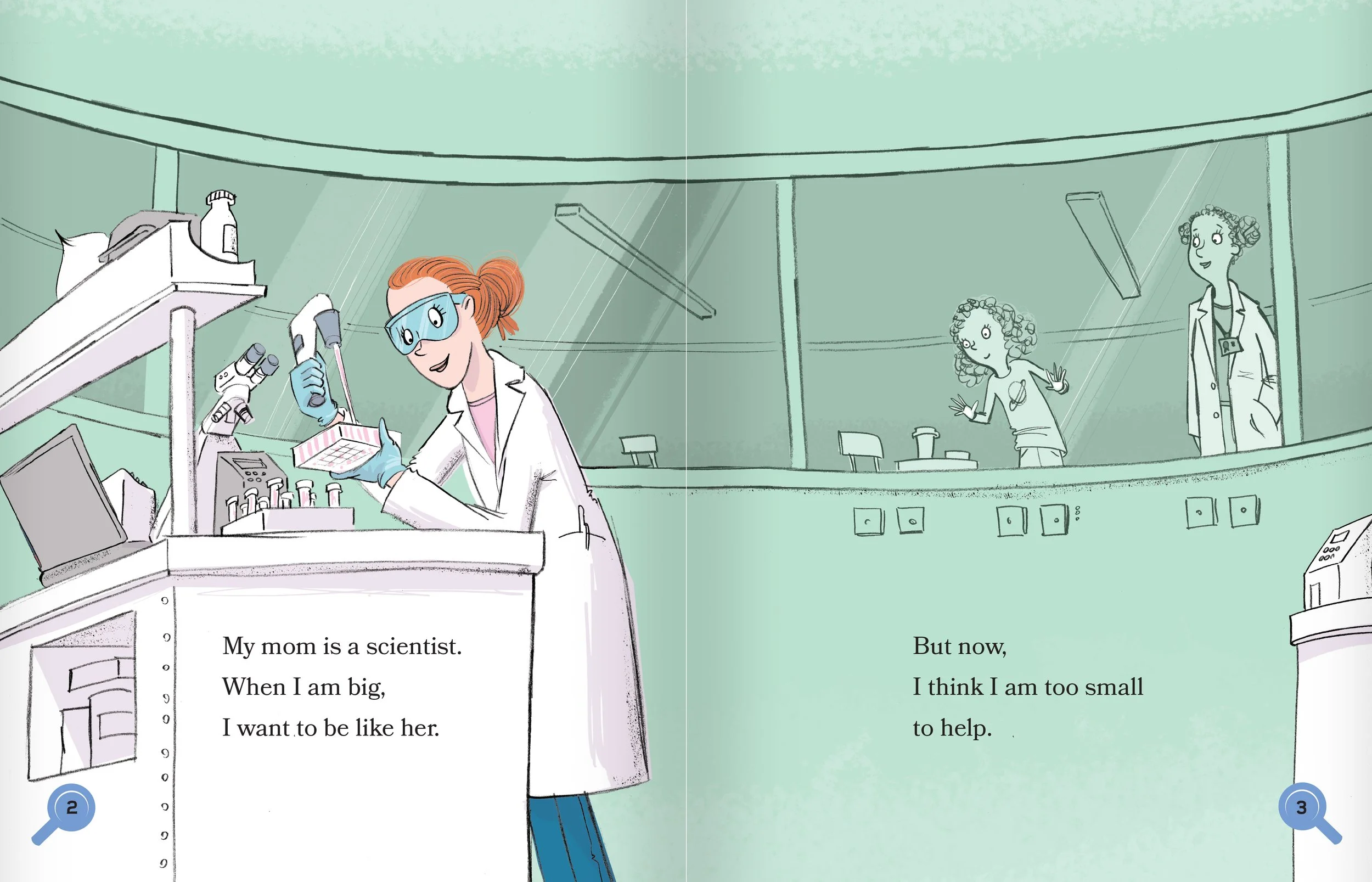
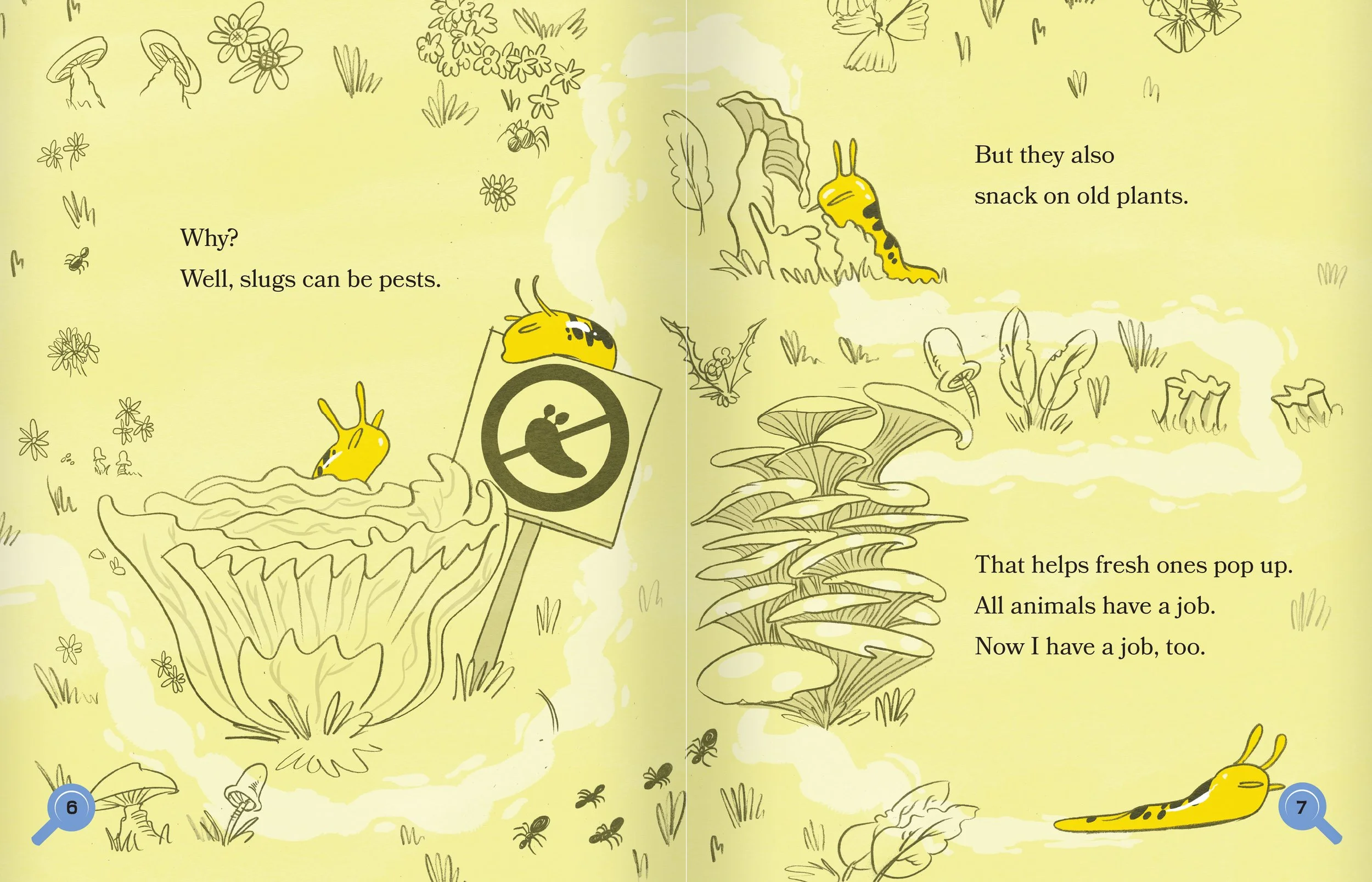
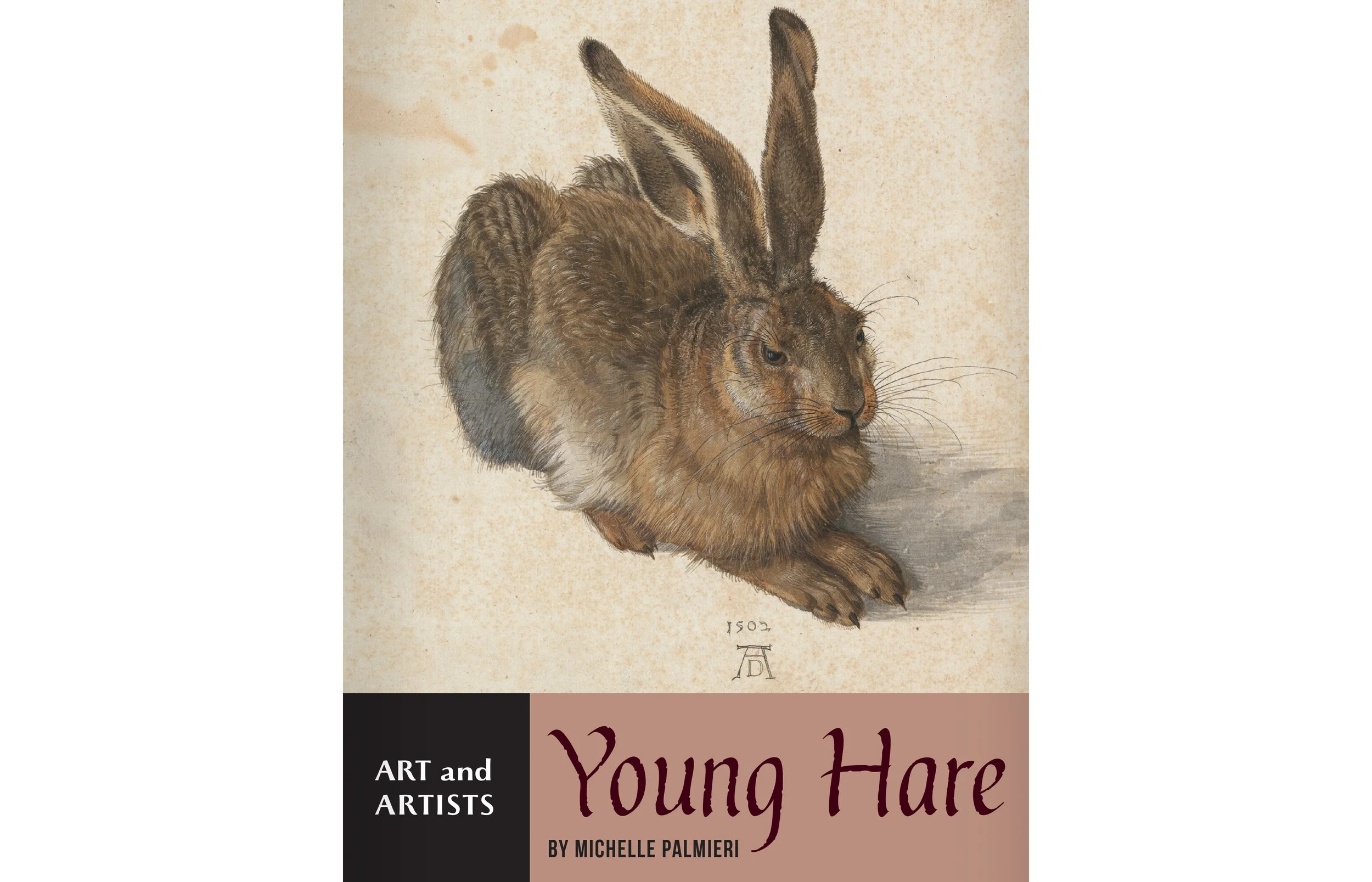






I lead the Geodes team through:
mapping out the design and production schedule and respective milestones for all books
aggregating and selecting a diverse pool of illustrators
training designers on creating picture books, and Geodes specifically
orienting the team to accessibility tools, methods, and philosophy
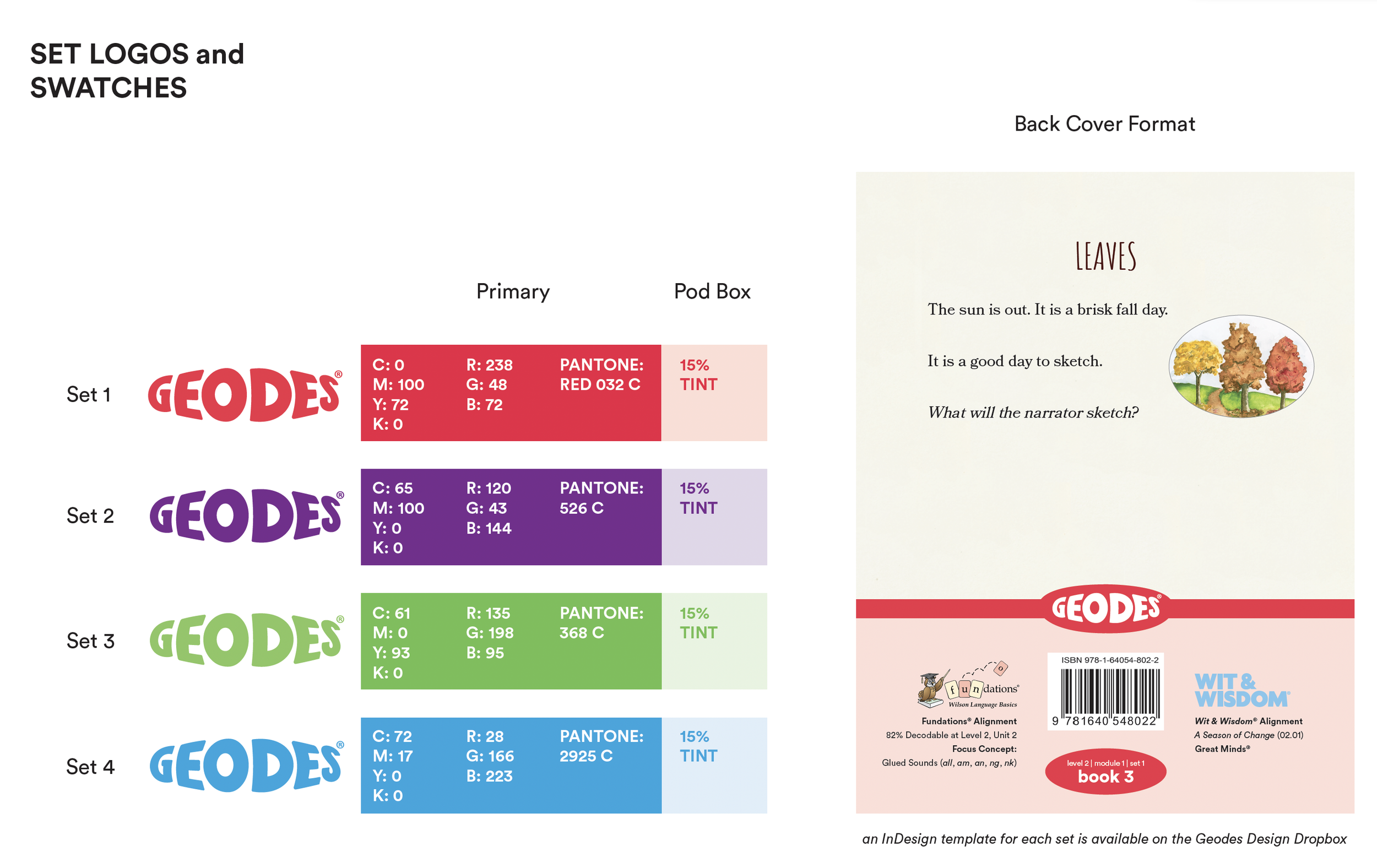
defining the application and expansion of Geodes branding
determining what kind of packaging we should offer and the design
ensuring we were creating files that would print with relatively high fidelity
ensuring all files were print-ready
Full Product Offering
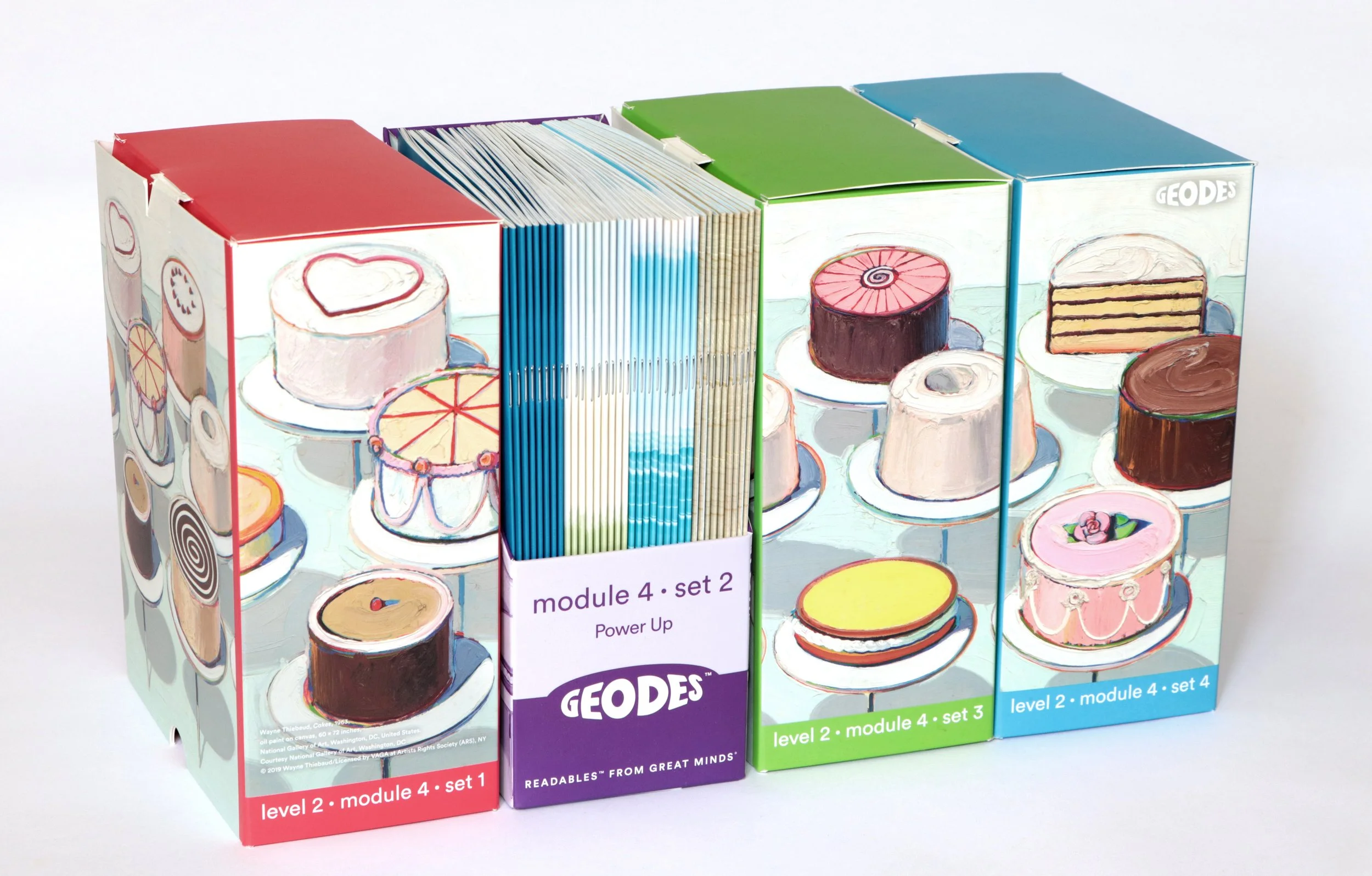
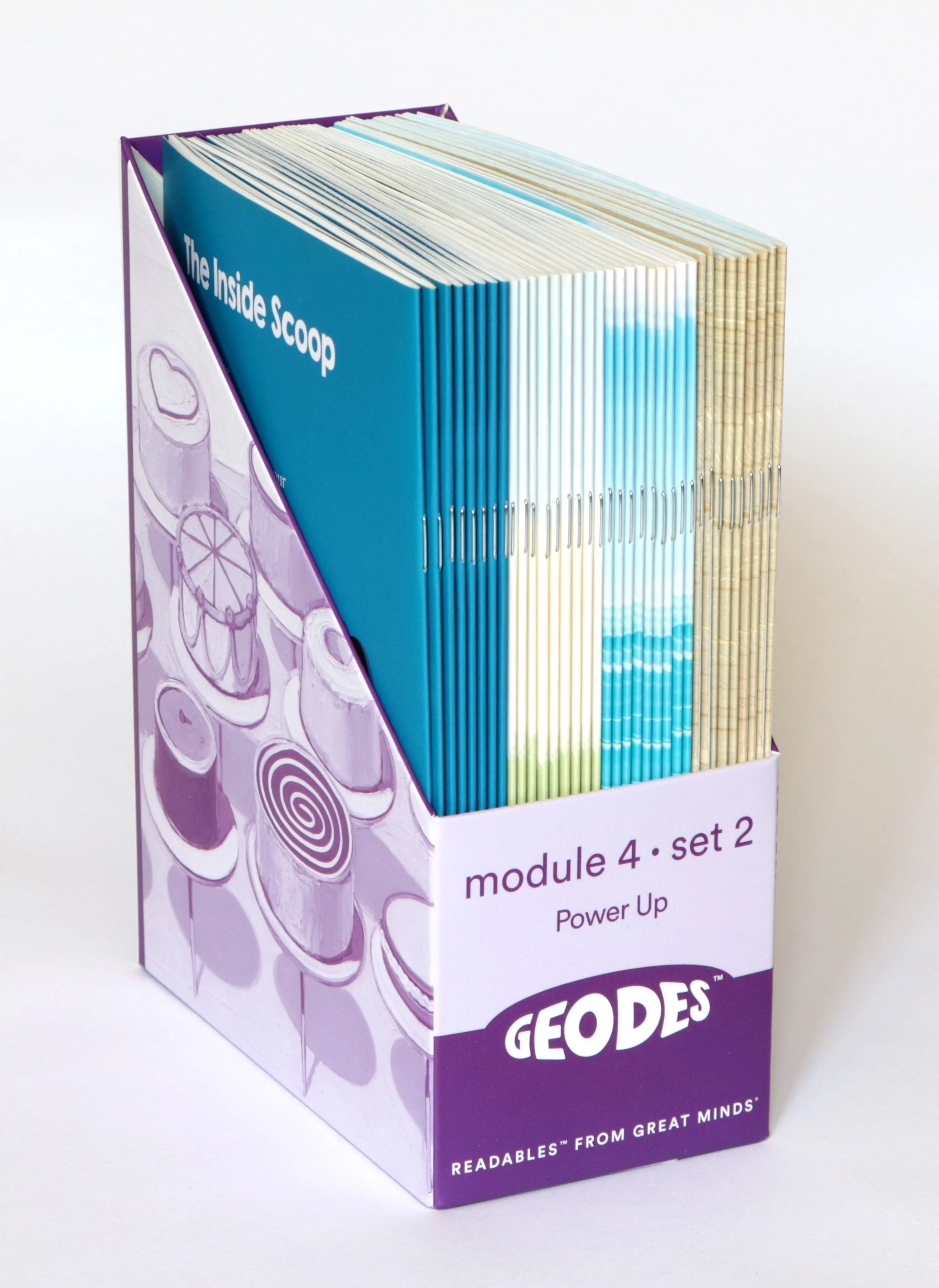
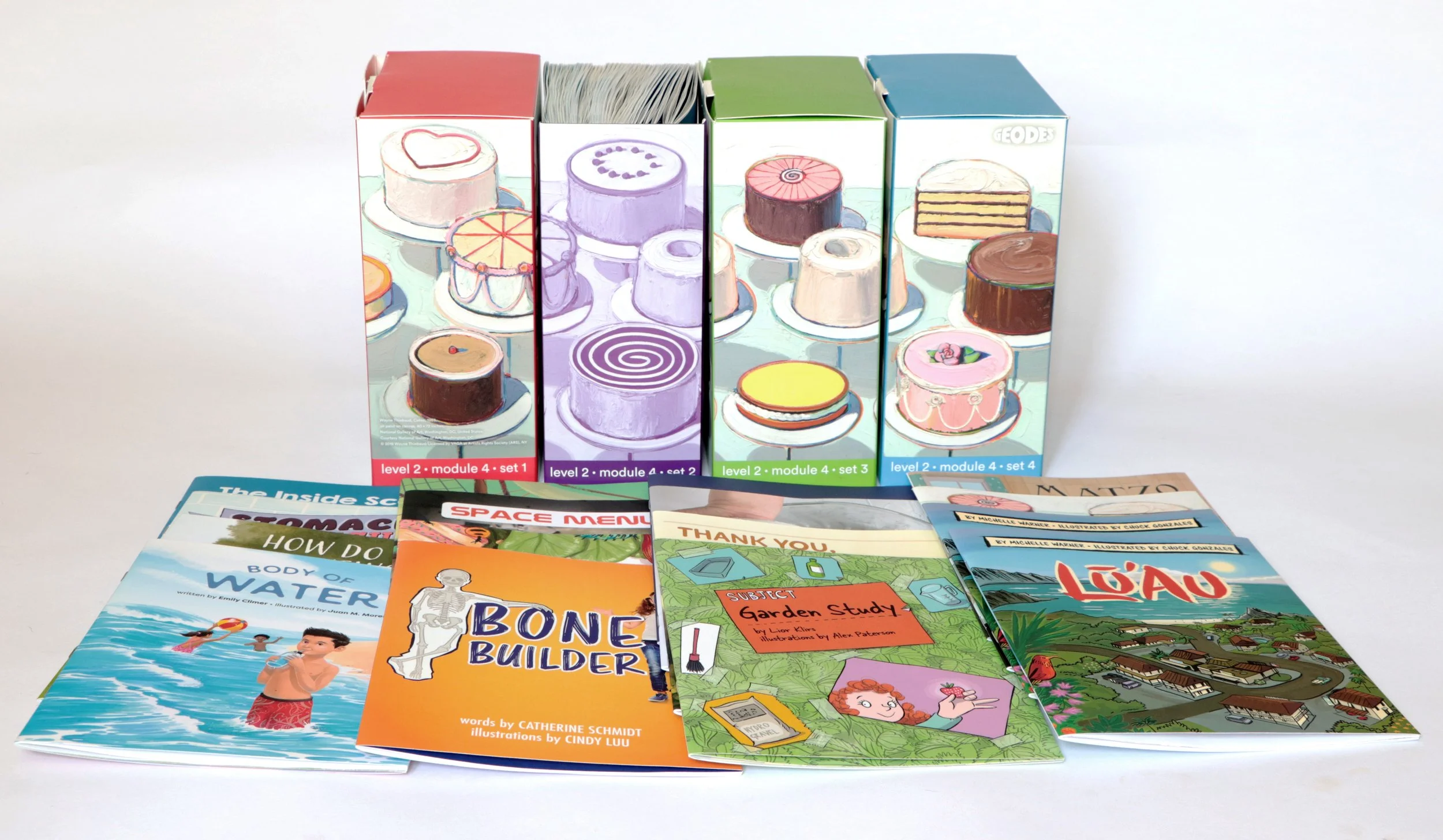
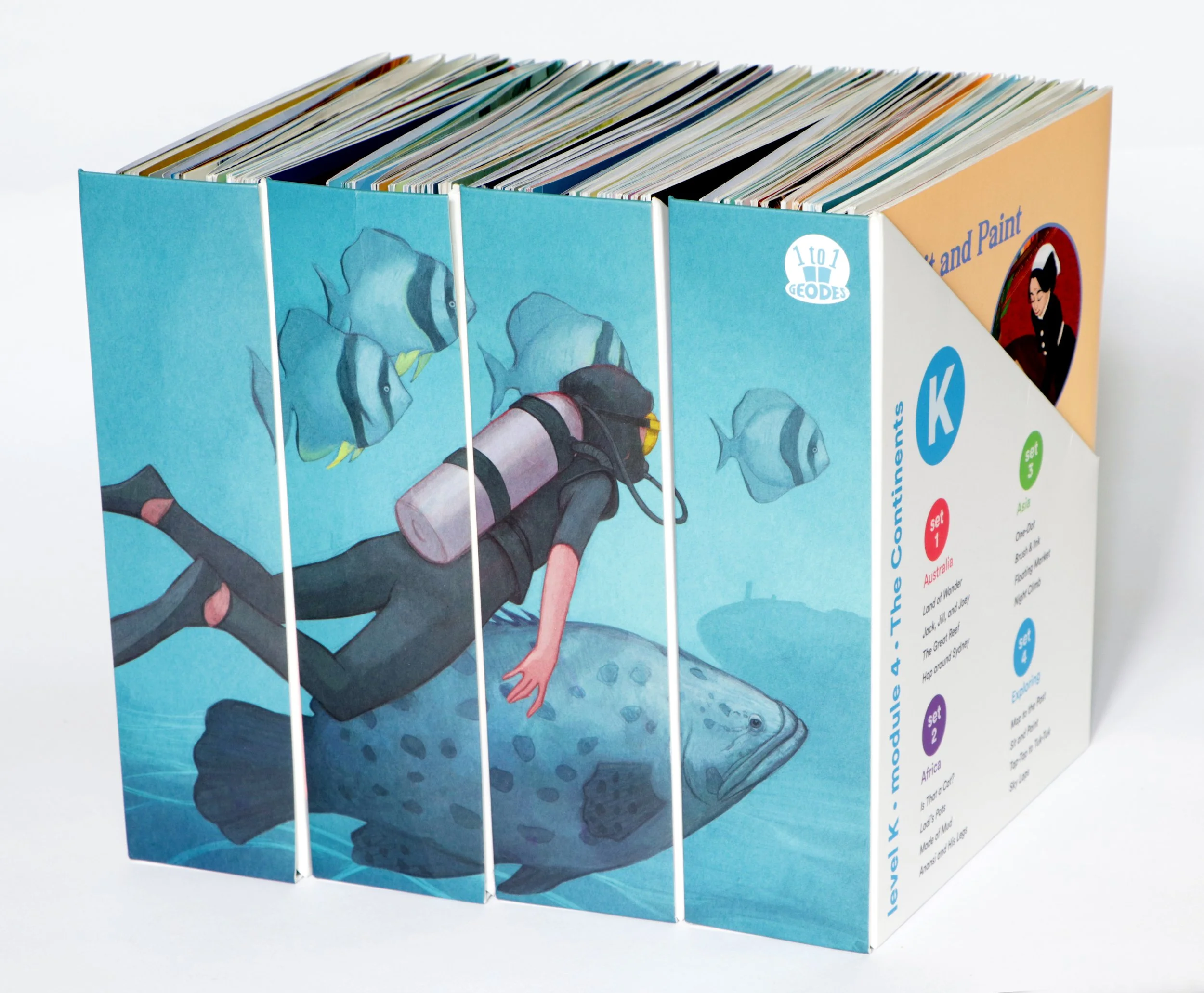
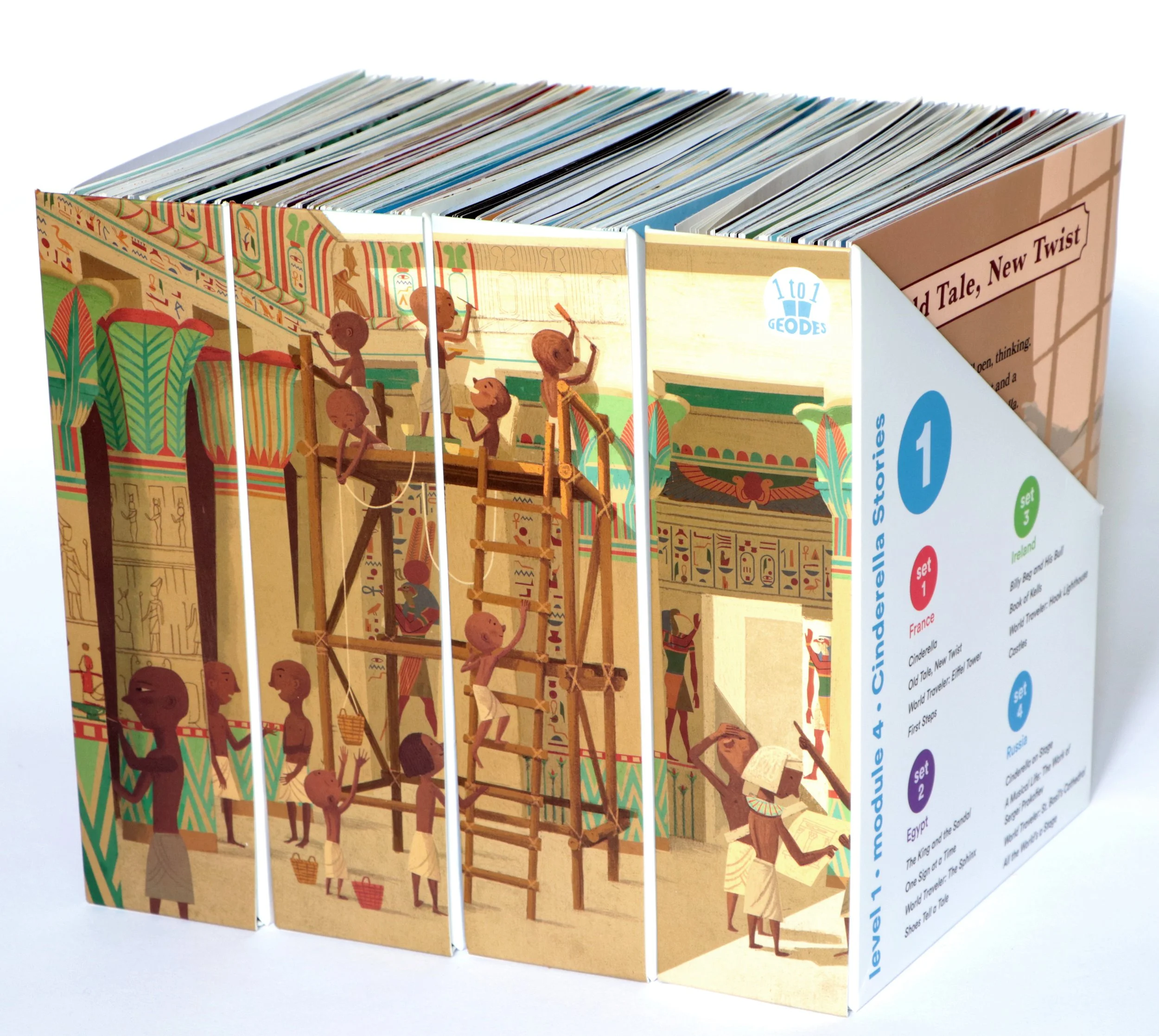
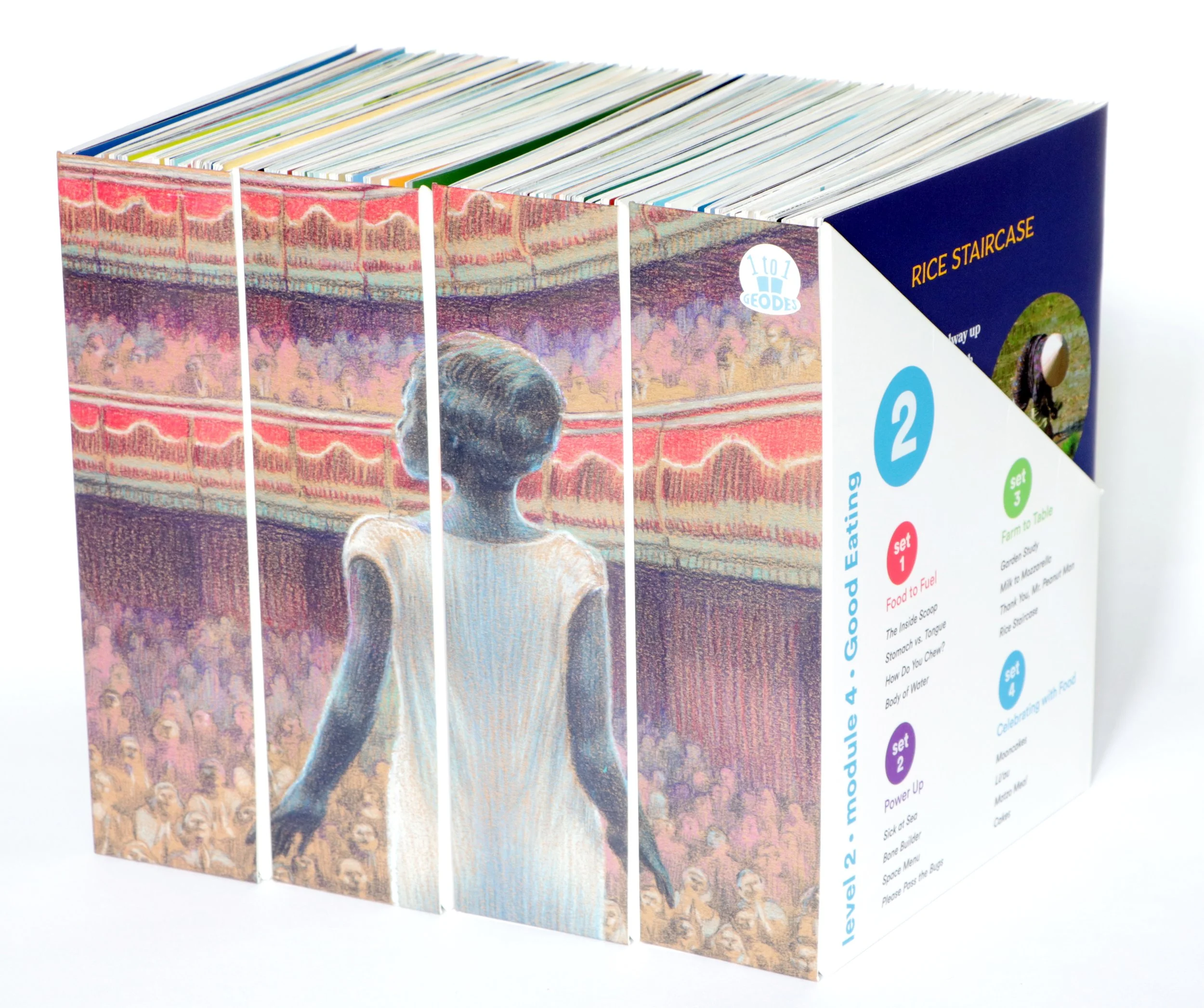
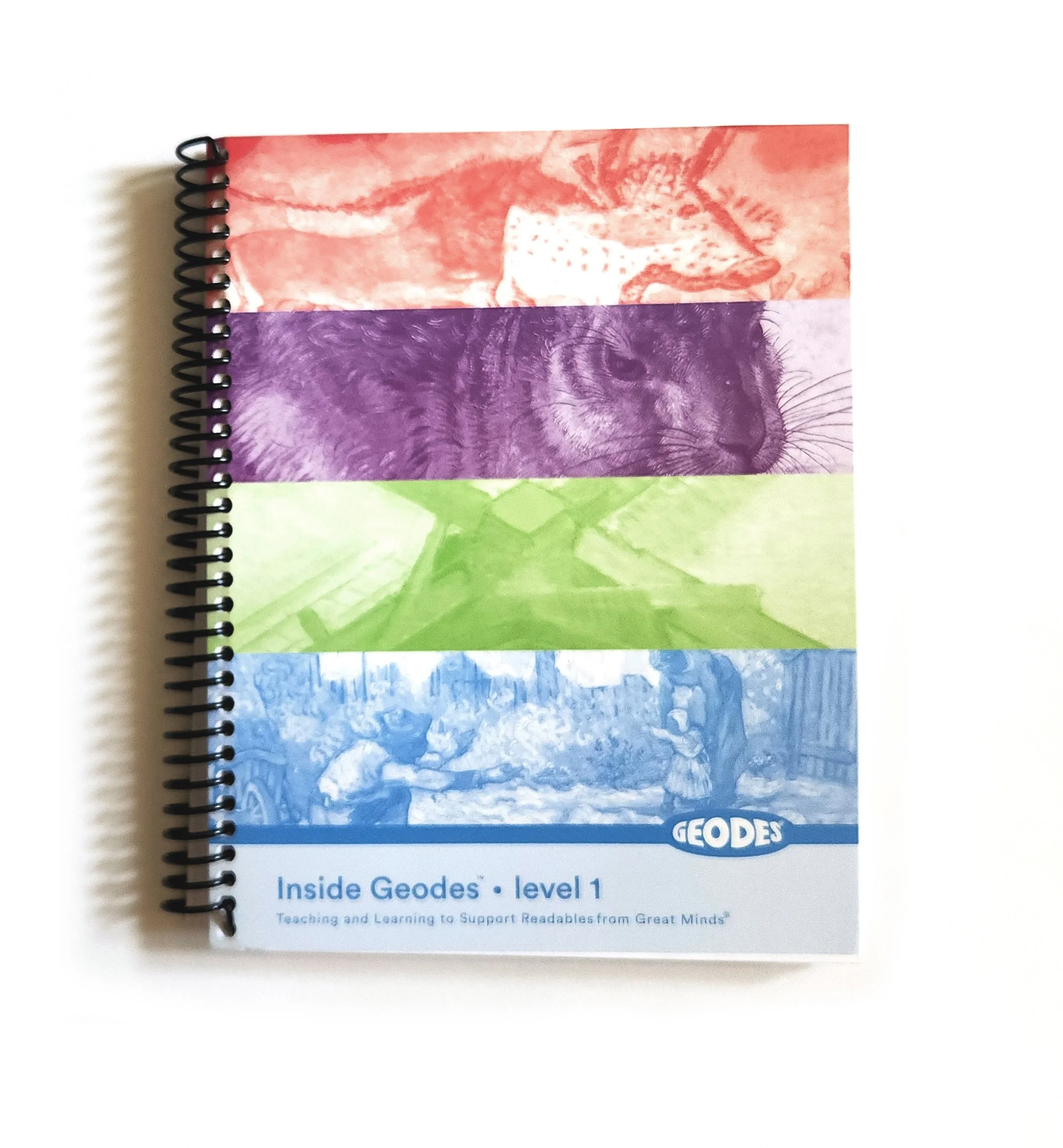
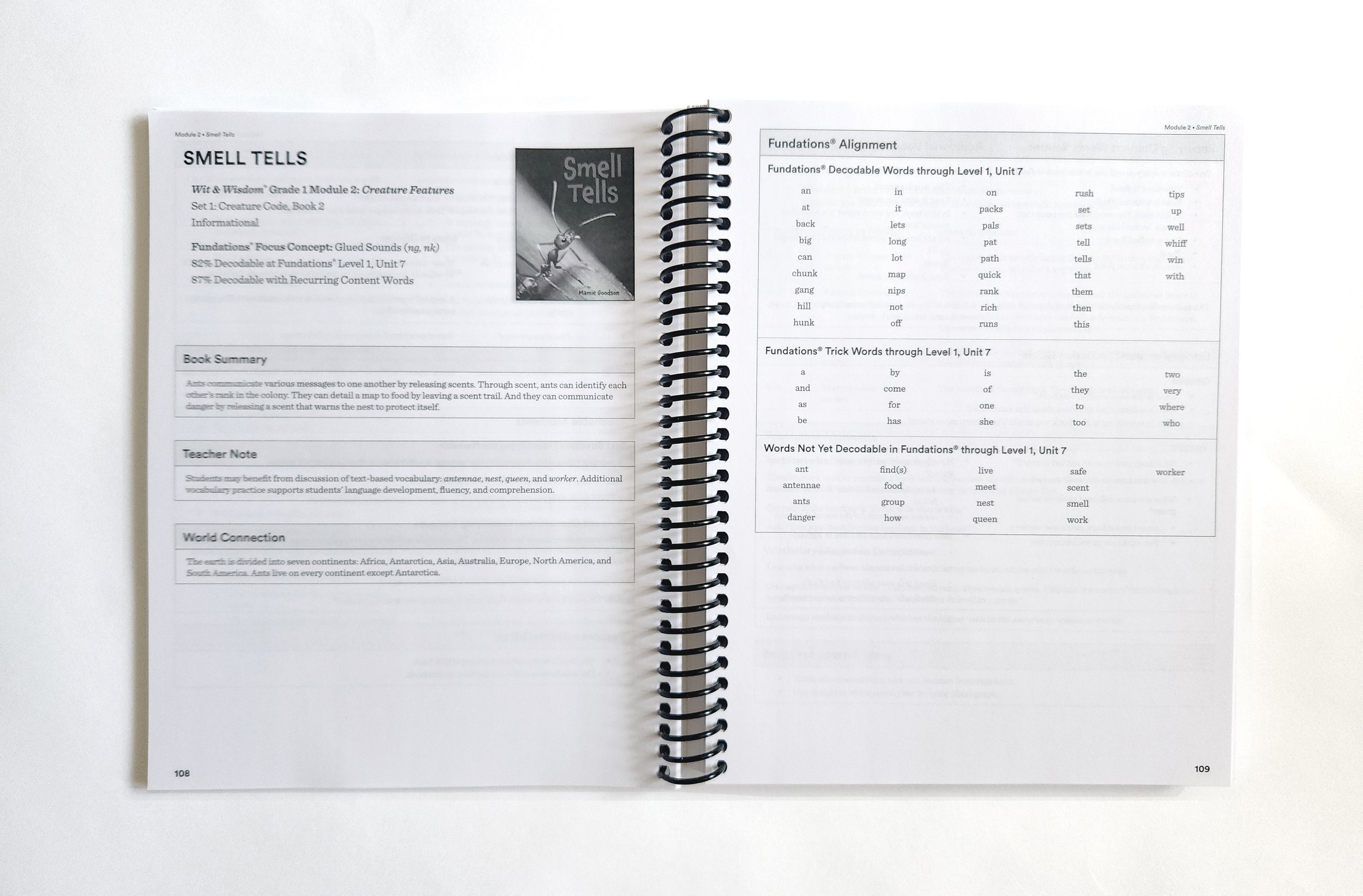
A Geodes class kit includes vocabulary cards (tutoring kit), black-and-white copies for at-home practice (levels K-2), student workbooks (level 3), magazine files for storage (K-3 and tutoring kit), and the teacher guidance (K-2).
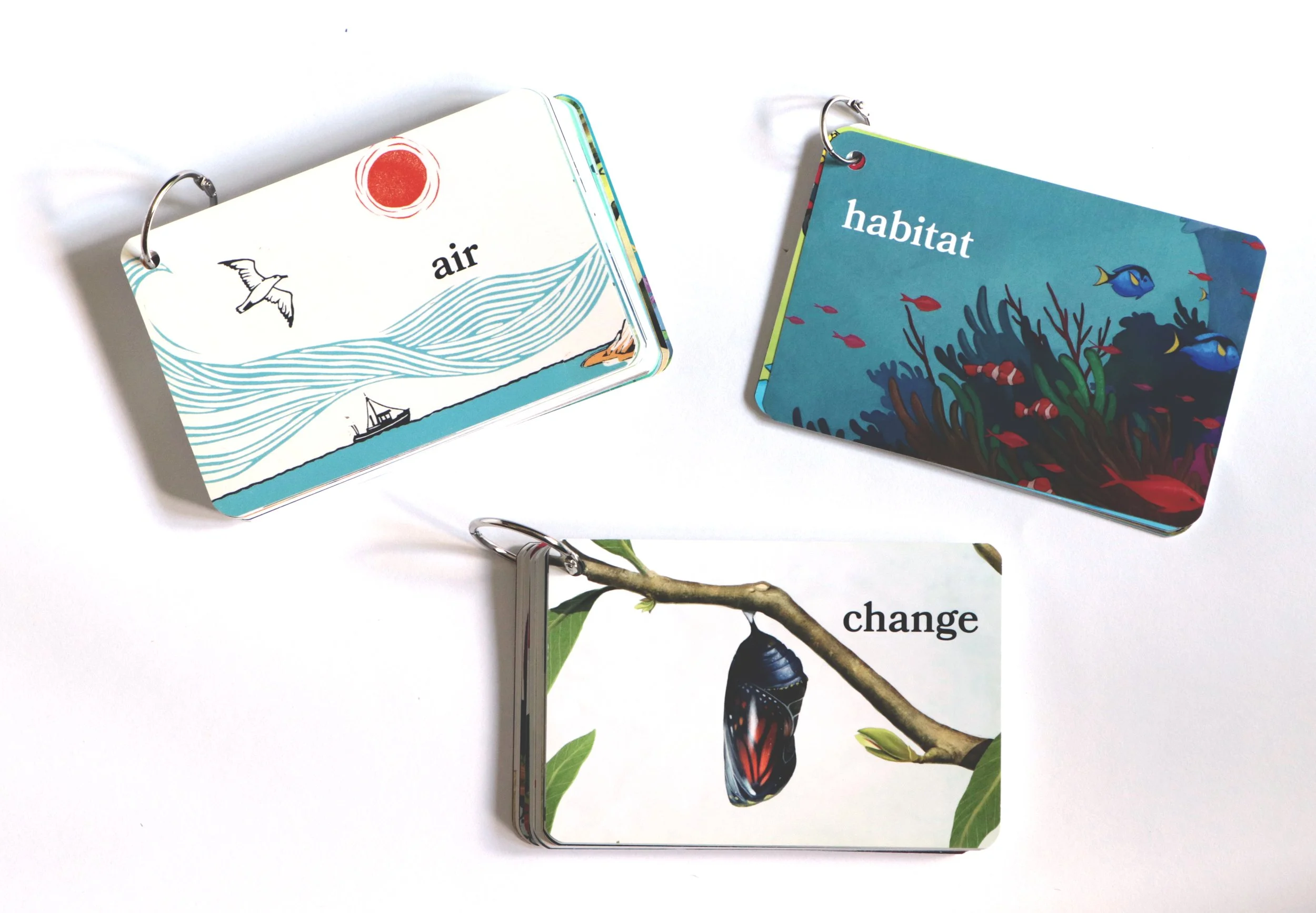

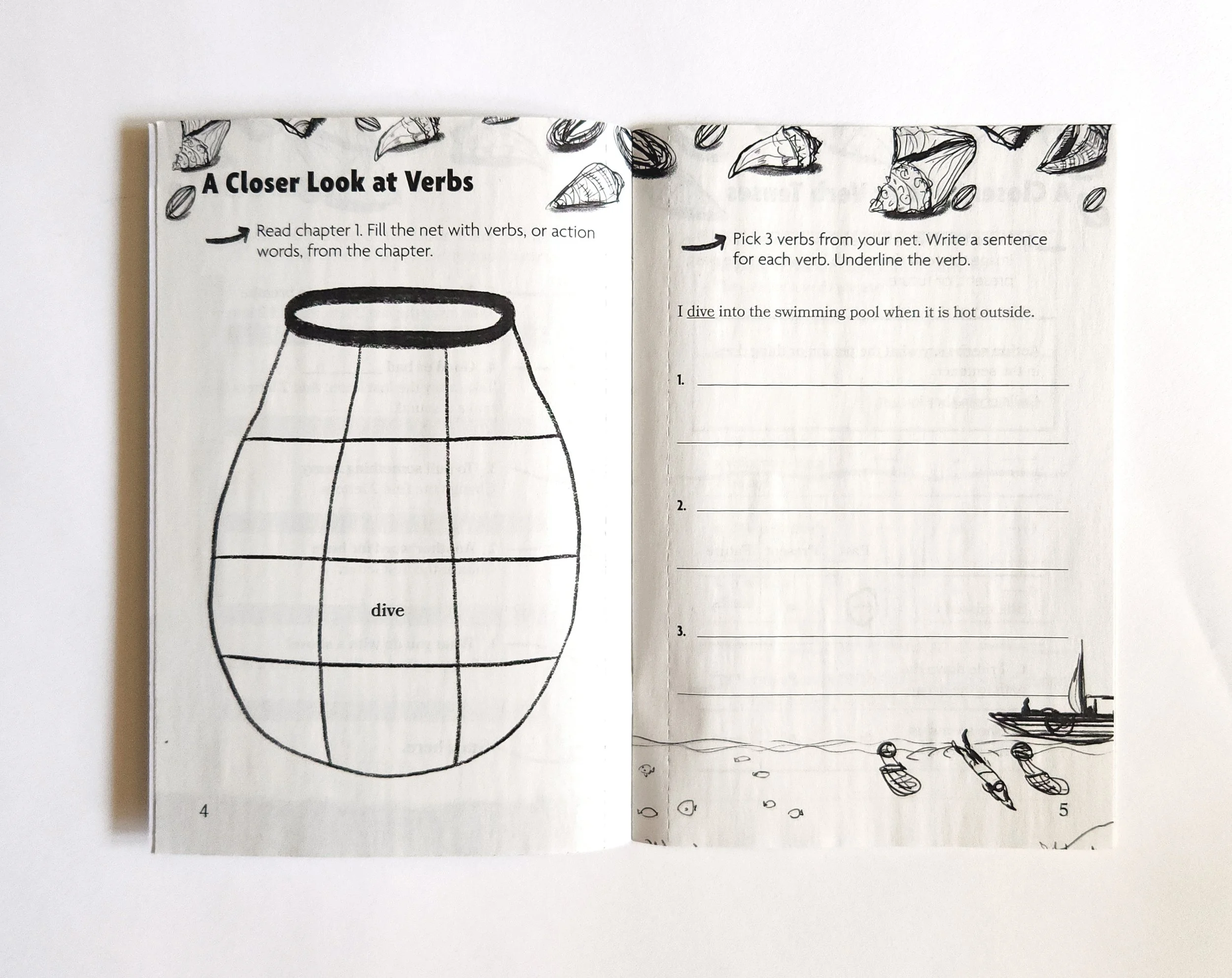
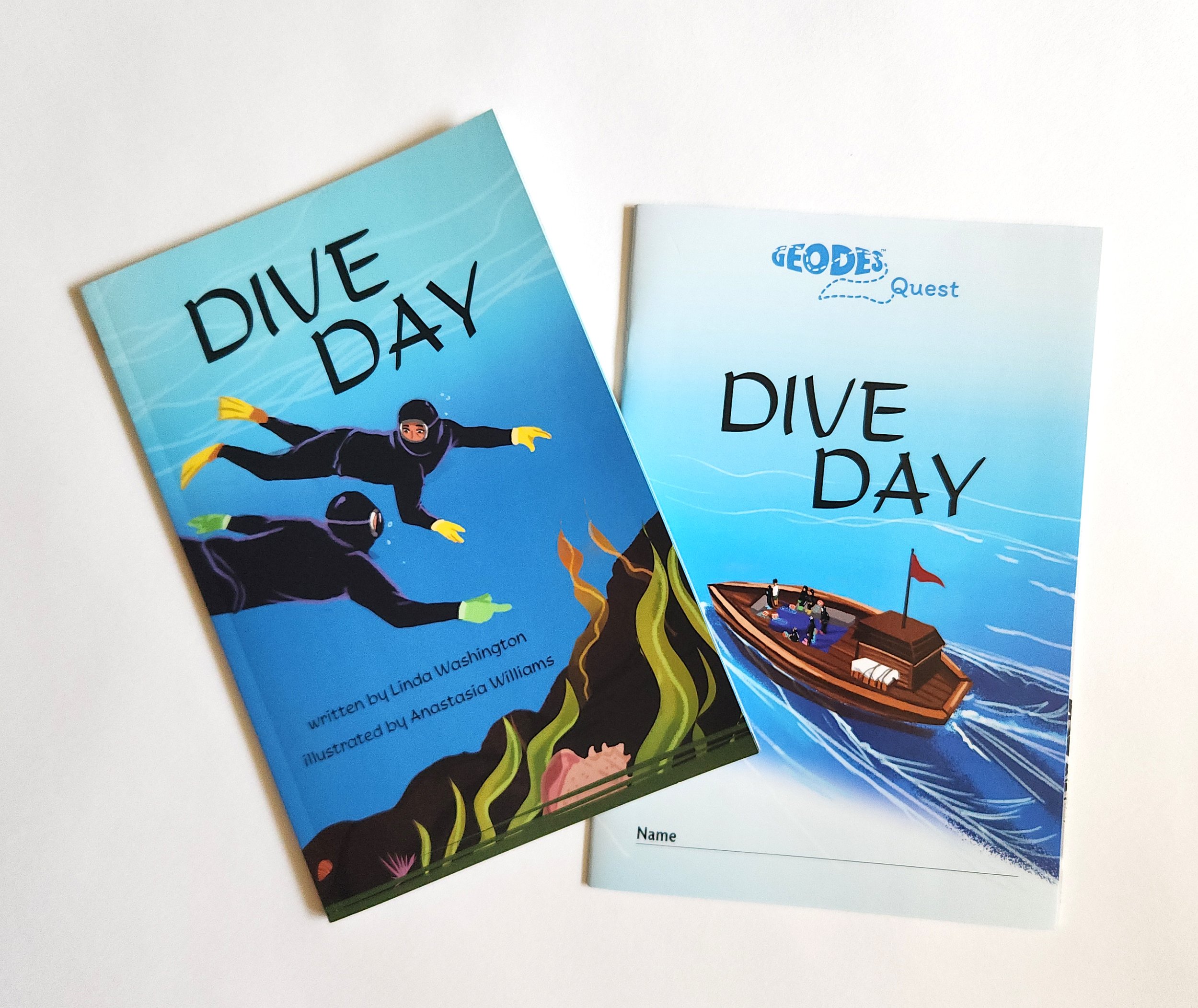
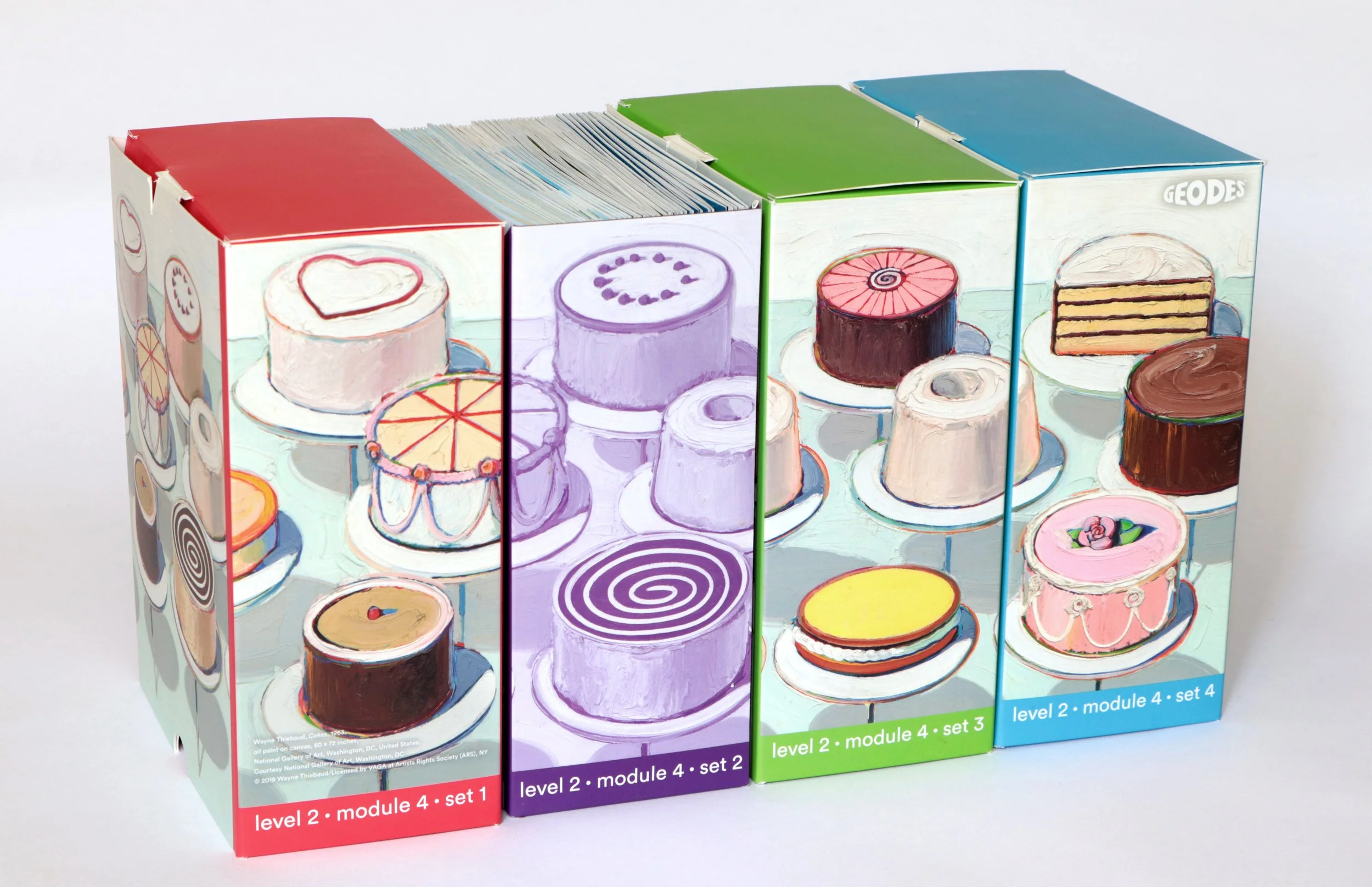

Level 3 — Chapter Books
In 2023 we finally turned our attention to the long-desired Level 3 Geodes. We determined that a chapter book format (64 pages) would be most age-appropriate and the content team ensured that the rigor spanned skills from the beginning of Level 1 through the 4th Grade reading level. The goal was to support striving readers to build stamina and eventually move through the Level 2 and 3rd grade reading expectations, while still offering books that the entire class could learn from and enjoy. Our team had a student-facing design lead, a teacher-facing design lead, and 5 designers in addition to my oversight (I also got to design 2 titles for Level 3, for old times’ sake). We completed our portion of the work in 9 months.
Images of the Level 3 product to come!